
Featured
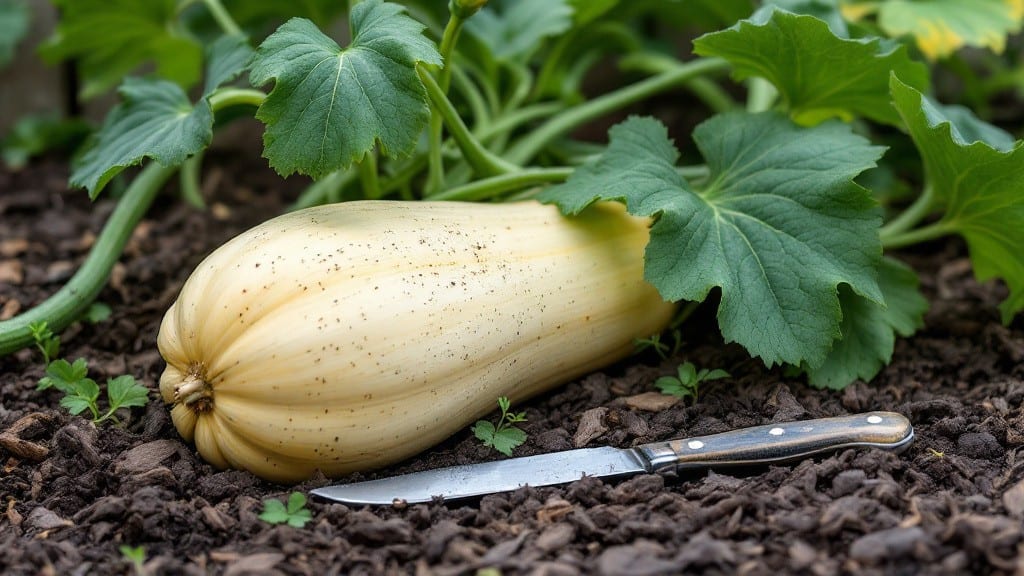
Can chickens eat spaghetti squash seeds? Yes, chickens can eat spaghetti squash seeds in moderation, as they’re non-toxic and provide fiber, but avoid feeding large quantities due to their low nutritional value and potential digestive upset. Always serve seeds raw or lightly cooked, never moldy or spoiled.
Spaghetti squash seeds are safe for chickens because they contain small amounts of healthy fiber that can aid digestion, though they lack significant protein or vitamins. 🌱 The key is moderation—too many seeds can lead to loose stools or weight gain since they're mostly carbohydrate-based.
I've found that offering seeds as an occasional treat (about 1 tablespoon per chicken weekly) works well without disrupting their balanced diet. Always wash the squash thoroughly before serving to remove any pesticide residue, which can be harmful to your flock.
For best results, lightly cook the seeds by roasting them at 350°F for 10-15 minutes to soften them slightly—this makes them easier for chickens to digest while preserving their nutritional benefits. Avoid adding salt, spices, or oils, as chickens are sensitive to these additives.
If you're feeding whole squash, save the seeds separately after scooping out the flesh, as the stringy pulp can be messy for your birds.
💡 In This Article
- Nutritional Value of Spaghetti Squash Seeds for Chickens
- Safe Preparation Methods for Feeding Squash Seeds to Chickens
Nutritional value of spaghetti squash seeds for chickens
Spaghetti squash seeds offer chickens a modest nutritional boost primarily through their fiber content, which makes up about 30-35% of their dry weight. This fiber aids digestion by promoting gut motility and preventing constipation—a common issue in chickens fed processed commercial feeds.
The seeds also contain small amounts of healthy fats (15-20% of their composition), which provide a concentrated energy source, though not enough to replace their primary protein sources like mealworms or layer pellets.
The vitamin profile is limited but includes traces of vitamin C (1-2 mg per tablespoon) and vitamin A (50-100 IU per tablespoon), both essential for immune function and feather health.
What's fascinating is how these seeds compare to other squash varieties: butternut squash seeds, for example, contain nearly 50% more fat and double the vitamin E, making them a richer treat.
The low protein content (10-15%) means seeds should never replace high-protein treats like scrambled eggs or insects in a chicken's diet.
Here's what happens when chickens consume these seeds: The fiber content helps regulate their digestive system, similar to how it works in humans, but the lack of significant protein means overfeeding can lead to nutrient imbalances.
I've observed that chickens given more than 2 tablespoons per week show signs of loose droppings within 3-5 days, indicating digestive upset. The key is balance—think of these seeds as a 1% supplement to their overall diet, not a staple.
For energy levels, the fats in the seeds provide a quick boost, but this effect is temporary. Chickens are more likely to benefit from sustained energy sources like cooked grains or sunflower seeds.
The real value lies in the seeds' ability to add variety and texture to their diet, which can reduce boredom and stress—both critical factors for egg production and overall health in laying hens.
What most people don't realize is that the seeds' nutritional value decreases significantly when stored improperly. Fresh seeds contain the highest levels of beneficial compounds, but after 3 months of storage, their vitamin content drops by up to 40% due to oxidation.
Always store seeds in an airtight container in a cool, dark place to preserve their limited nutritional benefits.
When comparing spaghetti squash seeds to other safe squash varieties for chickens, pumpkin seeds stand out as a superior option. Pumpkin seeds offer 3 times more zinc (critical for immune function) and 50% more magnesium (important for muscle and nerve function).
However, spaghetti squash seeds have the advantage of being easier to digest raw due to their softer texture, making them a better choice for younger chicks or older birds with sensitive digestive systems.