
Blooming
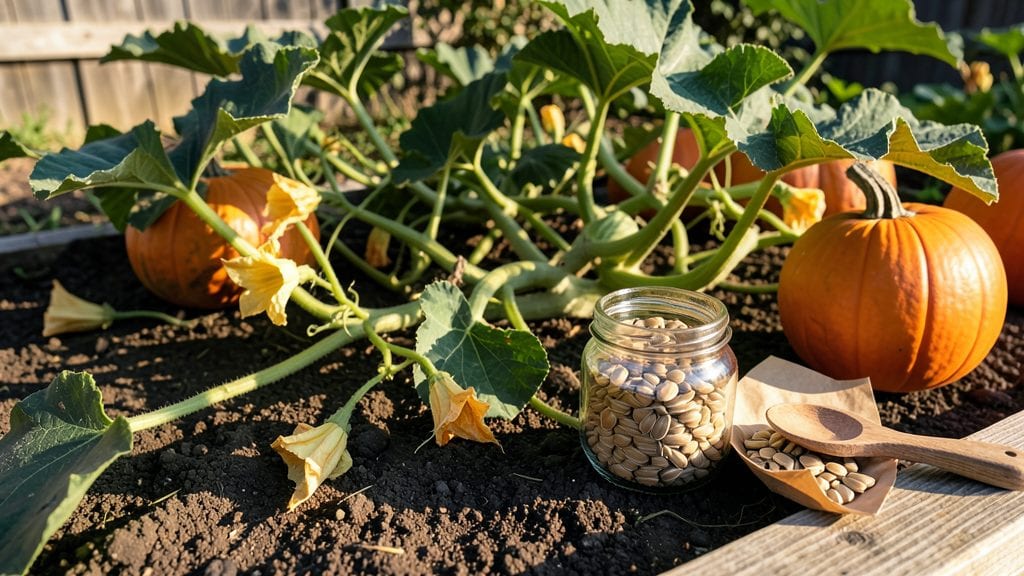
How long can you keep pumpkin seeds for planting—and the answer might surprise you, since dry storage can preserve them for five years or more. moisture, temperature, and airflow. Most gardeners assume seeds lose potency quickly, but with the right conditions, pumpkin seeds can outlast store-bought packets by years.
The secret starts with completely dry seeds—any moisture speeds up decay. After scooping them from ripe pumpkins, spread them in a single layer to air-dry for 3-5 days in a cool, dark spot.
Once bone-dry, transfer them to an airtight container (glass jars or vacuum-sealed bags work best) and store in a cool, dark pantry (ideally 40-50°F). Humidity is the enemy, so add a packet of silica gel if your climate is damp.
You'll know seeds are still good when they sprout within 7-10 days of planting—test a few each year to confirm viability. Fresh seeds germinate faster, but even 4-5-year-old seeds can still produce healthy plants if stored properly.
The trade-off? Older seeds may take slightly longer to sprout, but the resulting vines and fruit prove they're still worth saving.
This method works for all squash family seeds—pumpkins, butternuts, and even gourds—making it perfect for gardeners who want to preserve open-pollinated varieties season after season. Just remember: dry, dark, and cool are your best friends for long-term seed storage.
📚 In This Guide
- What you need
- Instructions
- Tips and common mistakes
- Wrapping up and next steps
What you need
- ● Fresh, healthy pumpkin seeds: Harvest seeds from fully mature, disease-free pumpkins (aim for organic or untreated seeds if possible).
- ● Paper towels or coffee filters: 2-3 sheets (for drying seeds).
- ● Air-tight storage containers: Mason jars (quart or pint size, with airtight lids)
- ● Plastic containers with tight-sealing lids (ensure they’re food-grade)
- ● Envelopes or seed packets (for small batches, with silica gel packets)
- ○ Silica gel packets (optional but recommended): 1-2 packets (to absorb moisture). Available at craft stores or online.
- ● Permanent marker: 1 (to label containers with seed type and date).
- ● Fine-mesh strainer or colander: 1 (for rinsing seeds).
- ○ Paper bags (brown, unbleached): 1-2 (for initial drying, optional but helps with airflow).
- ● Cool, dark, and dry location: Ideal temperature range: 35–45°F (2–7°C) (a fridge or basement works well).
- ● Humidity control: Aim for 30–50% humidity (silica gel helps maintain this).
- ● Avoid: Direct sunlight, heat sources, or damp areas (like a garage without climate control).
- ● 💡 Label everything! Write the pumpkin variety and harvest date on your containers to track viability.
- ● 🔥 Test a few seeds annually: Plant a small batch each year to check germination rates—discard old seeds if they fail to sprout.
- ● 🌱 Prevent mold: If seeds feel damp or smell funky, dry them longer or use a food dehydrator (set to 135°F/57°C for 1–2 hours).
Instructions for maximizing pumpkin seed viability through proper storage
Here’s how to preserve your pumpkin seeds for planting—because the right storage turns a simple harvest into a long-term gardening asset.
Clean and Dry Seeds Thoroughly Before Storage
First, remove seeds from the pumpkin flesh and rinse them under cool water to eliminate any remaining pulp. Spread them in a single layer on a clean, dry towel or paper towel in a well-ventilated area. Avoid direct sunlight—it can dry seeds too quickly and reduce viability. Instead, let them air-dry at room temperature for 5-7 days, stirring occasionally to ensure even drying. Seeds are ready when they feel completely dry to the touch and make a hollow sound when shaken together in a small container.
Moisture is the enemy of long-term storage. If seeds retain even slight dampness, they’ll develop mold or rot within weeks. I’ve learned the hard way that rushing this step leads to seeds that sprout poorly or not at all. Patience here pays off—properly dried seeds can last for years.
Store Seeds in Airtight Containers with Desiccant Packets
Once fully dry, transfer seeds into an airtight container—glass jars with rubber seals or food-grade plastic containers work best. I prefer mason jars because they’re reusable and provide a tight seal. Add a desiccant packet (like those included with electronics or medications) to absorb any residual moisture. Label the container with the pumpkin variety and the date of storage—this helps track seed age and viability over time.
Store the container in a cool, dark place, such as a pantry, basement, or refrigerator. Avoid the freezer unless you’re storing seeds for more than 5 years, as temperature fluctuations can cause condensation inside the container. The goal is to maintain a consistent temperature between 40-50°F and low humidity. This environment slows metabolic activity, preserving the seeds’ ability to germinate for years.
Test Seed Viability Annually for Optimal Planting Success
Even with perfect storage, seed viability declines over time. Every 1-2 years, conduct a simple germination test to assess whether your seeds are still worth planting. Place 10 seeds between two damp paper towels in a sealed plastic bag. Keep them in a warm, dark place (around 70°F) for 7-10 days. Check daily for sprouts—if 80% or more of the seeds germinate, they’re still viable for planting. If fewer than half sprout, consider saving those seeds for compost or experimenting with shorter-lived varieties.
This test is non-destructive and gives you concrete data to decide whether to replant or replace your seed stock. I’ve had seeds from a 5-year-old storage jar still germinate at 75%, but older seeds often require scarification (nicking the seed coat) or a longer soak to encourage sprouting. Adjust your storage strategy based on these results.
Handle Long-Term Storage with Care to Preserve Germination
If you’re storing seeds for more than 5 years, take extra precautions. Place the sealed container in a second airtight bag with an additional desiccant to create a double barrier against moisture. Avoid opening the container frequently—every time you do, you risk introducing humidity or temperature shifts. I store my long-term seeds in the back of the refrigerator, where conditions remain stable year-round.
Remember, seeds are living organisms, and even the best storage can’t guarantee indefinite viability. After 7-8 years, germination rates drop significantly, and the effort to revive them may not be worth the outcome. Use this timeframe as a guideline to refresh your seed collection periodically. When you do plant older seeds, soak them in lukewarm water for 12 hours before sowing to soften the seed coat and improve germination.
Tips & tricks for maximizing pumpkin seed viability
These game-changing strategies will transform your pumpkin seeds from seasonal scraps into long-term gardening assets—because proper storage isn't just about time, it's about science.
Drying Precision: The 5-7 day drying period in Step 1 is non-negotiable for viability. Use a food dehydrator set to 95°F if you're short on time—it can cut drying to 24-36 hours while maintaining perfect moisture levels. The key is complete dryness: seeds should rattle like maracas when shaken in a container. I've seen seeds with even slight dampness develop mold within 48 hours of storage.
Container Selection: While mason jars are ideal, avoid metal containers—they can corrode over time and introduce moisture. For long-term storage beyond 5 years, consider vacuum-sealed bags with oxygen absorbers, which create an even more stable environment than desiccant packets alone. The goal is to eliminate every possible moisture source while maintaining that critical 40-50°F range.
Temperature Stability: That 70°F germination test temperature in Step 3 is perfect for simulating spring planting conditions. If your kitchen runs warmer, place the test near an open window or use a seedling heat mat set to 75°F. The 12-hour soak for older seeds (mentioned in Step 4) should use lukewarm water—too hot can cook the seed, while too cold won't properly soften the seed coat.
Viability Tracking: Create a simple spreadsheet to track your seed batches by variety and storage date. I've found that some pumpkin varieties maintain viability longer than others—my 'Sugar Pie' seeds lasted 6 years with 80% germination, while 'Jack Be Little' dropped below 50% after 4. This data helps you prioritize which seeds to preserve most carefully.
Pro Tips for How Long Can You Keep Pumpkin Seeds For Planting
- These game-changing strategies will transform your pumpkin seeds from seasonal scraps into long-term gardening assets—because proper storage isn't just about time, it's about science.
- Drying Precision: The 5-7 day drying period in Step 1 is non-negotiable for viability.
- Container Selection: While mason jars are ideal, avoid metal containers—they can corrode over time and introduce moisture.
Frequently asked questions
about storing pumpkin seeds for planting—because every gardener deserves clarity!How do I know if my pumpkin seeds are still good for planting?
Test viability by placing a few seeds in a damp paper towel, sealing them in a bag, and storing them in a warm spot. If most sprout within 5–7 days, they’re still good! Shriveled, moldy, or musty-smelling seeds? Toss ‘em—it’s time to start fresh.
Can I store pumpkin seeds in the fridge or freezer for longer shelf life?
While cold storage can extend viability slightly, it’s not necessary for healthy seeds. A cool, dry pantry (50–70°F) is ideal—freezing isn’t required unless you’re saving seeds for decades. Just keep them in an airtight container with a desiccant packet to prevent moisture.
What’s the best way to dry pumpkin seeds before storing them?
Spread seeds in a single layer on a paper towel or mesh screen in a warm, dry spot (like a sunny windowsill) for 3–5 days, stirring occasionally. They’re ready when they’re completely dry and rattle slightly when shaken. Avoid heat sources—they’ll crack!
What if my seeds sprout mold or bugs after storage?
Mold or pests mean your seeds were too damp or exposed to air. Discard contaminated seeds immediately! To prevent this, store seeds in hermetically sealed containers with silica gel packets. If bugs appear, freeze seeds for 48 hours to kill larvae before storing again.
Do I need to treat pumpkin seeds before storing them?
Nope! Just clean them thoroughly (rinse and dry) and store them properly. Some gardeners soak seeds in neem oil or hydrogen peroxide to deter mold, but it’s optional. Focus on dryness and airtight storage—that’s the secret sauce!
Wrapping up and next steps
So, you’ve got the scoop on storing pumpkin seeds for planting—properly dried and sealed, they can last up to 4-5 years! 🌱 Whether you’re saving seeds from your harvest or prepping for next year’s garden, the key is low moisture, cool temps, and airtight containers.
Now that you’re armed with these tips, why not take the next step? Test a few seeds from your stash this spring to see how they sprout—it’s a fun (and rewarding!) way to put your storage skills to the test. Happy planting! 🌿