
How To
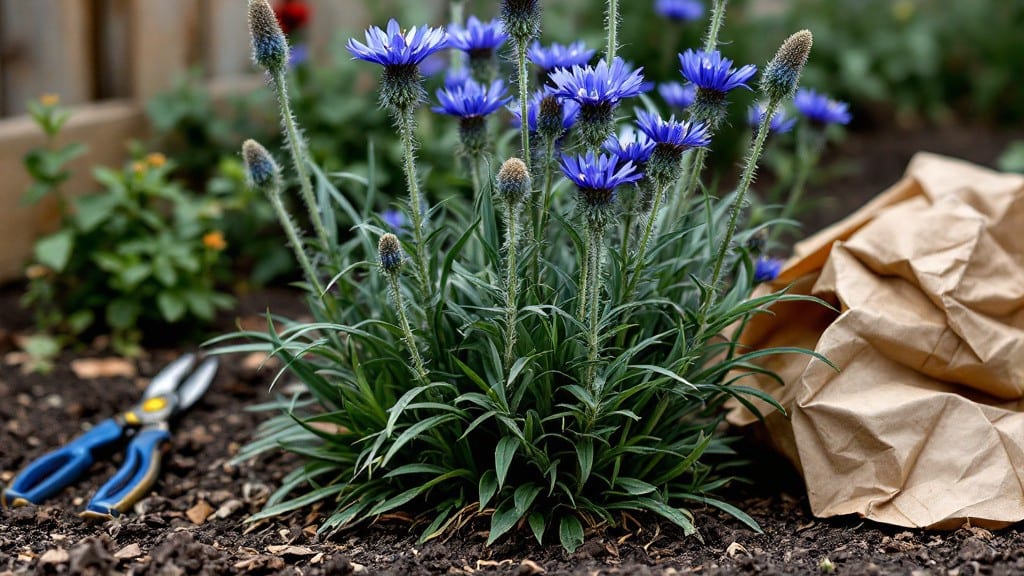
Harvesting bachelor button seeds is the easiest way to save money and grow these whimsical blue blooms 🌸 year after year—without buying new plants.
Picture this: you’ve spent months admiring your bachelor button flowers, but by late summer, those seed heads turn brown and dry. That’s your cue—they’re packed with seeds ready for next year’s garden. Miss this window, though, and the seeds scatter, leaving you back at the seed packet.
Timing is everything. Too early, and the seeds won’t be viable; too late, and they’ll drift away. I’ll walk you through the exact signs to look for—like those brittle, rattling seed heads—and how to collect them without harming your plants.
Once you’ve got them, I’ll share my foolproof drying and storage tricks to keep those seeds fresh until planting season. No more guessing—just reliable blooms next spring.
When to harvest bachelor button seeds: best timing for optimal seed collection
Timing your bachelor button seed harvest is everything—collect too early, and you’ll ruin germination rates; wait too long, and seeds may scatter naturally. The key lies in watching for seed head maturity while preserving plant health.
These delicate blooms thrive in USDA Zone 6a, where frost-free days span 165 days, giving you a clear window from July to September for optimal seed collection.
Start by identifying mature seed heads—they’ll transition from vibrant blue flowers to brown, papery structures. This shift typically occurs 75-90 days after planting, depending on your climate.
In warmer regions, you might harvest as early as mid-July, while cooler areas may need to wait until late August or September. The goal is to catch seeds at their peak viability before they release naturally.
Here’s how to recognize perfectly ripe seeds: shake a seed head gently—if you hear a faint rattling, that means seeds inside are fully mature and ready for harvest. The heads should also feel dry and brittle to the touch, almost crumbling when pressed lightly.
If you spot any green or moist seed heads, they’re not ready yet—wait another 1-2 weeks.
Timing also depends on your local climate. In humid regions, seed heads may dry faster due to higher moisture, while dry climates can slow the process.
Always harvest on a dry, sunny day to prevent mold growth during drying. Avoid harvesting after rain, as excess moisture can reduce seed viability.
One common mistake is harvesting premature seeds—these won’t germinate well. Look for fully browned petals that have fallen away, leaving behind the seed head’s dry structure. This stage signals the plant has completed its reproductive cycle and is redirecting energy to seed production.
If you miss this window, seeds may scatter before you collect them, wasting your efforts.
For gardeners in cooler climates, prioritize harvesting before the first frost (mid-October in Zone 6a). Frost can damage seed heads, making them unusable.
If your plants are still producing flowers when frost approaches, let the remaining blooms mature naturally—they’ll still yield seeds, just with slightly reduced viability.
Pro tip: Label your seed batches by harvest date and location. This helps track which seeds performed best for next year’s planting. Store them in paper envelopes (not plastic) to prevent moisture buildup, which can cause mold and rot.
Keep seeds in a cool, dark place until you’re ready to sow them again.
If you’re unsure whether your seeds are ready, perform a simple float test: place a handful of seeds in water. Viable seeds will sink to the bottom, while empty or damaged ones will float. This quick check ensures you’re only saving the best seeds for future gardens.
Remember, bachelor button seeds are lightweight and easily dispersed by wind. To maximize your yield, harvest seed heads before they fully dry on the plant. Cut them with clean scissors or pruners, leaving a short stem.
Hang the heads upside down in a well-ventilated, dry space to finish drying completely—this preserves their structure and prevents seed loss.
By mastering this harvest timing, you’ll ensure a steady supply of seeds for years to come. Happy harvesting—your future gardens will thank you! 🌸
| Stage | Visual Cues | Action | Best Time |
|---|---|---|---|
| Seed Head Formation | Flower petals fall off, leaving green seed heads | Monitor closely; wait for color change | 60-75 days after planting |
| Early Maturity | Seed heads turn light brown, feel slightly dry | Avoid harvesting; let them dry further | 75-80 days after planting |
| Optimal Harvest | Seed heads fully brown, brittle, seeds rattle | Cut and dry indoors | 75-90 days after planting |
| Overripe Stage | Seed heads crumble easily, seeds scatter | Harvest immediately or lose seeds | 90+ days after planting |
Step-by-step guide to harvesting bachelor button seeds without damaging plants
Harvesting bachelor button seeds at the right time ensures high germination rates while keeping your plants healthy. The key is patience—wait until the seed heads are fully mature but still intact. Premature harvesting can ruin your seeds, while waiting too long may scatter them naturally.
I’ll walk you through the exact steps to collect seeds without harming your plants or losing their viability.
Start by identifying the perfectly ripe seed heads. Look for brown, papery heads that feel dry and brittle. If you shake them gently, you’ll hear seeds rattling inside—that’s your cue!
Use clean, sharp pruning shears to avoid crushing the stems. Cut the seed heads just above the first set of leaves to encourage new growth from the base.
How to Harvest Bachelor Button Seeds
-
Step 1: Wait for Full Maturity
Harvest only when seed heads are completely brown and crispy to the touch. Green or moist heads aren’t ready yet.
-
Step 2: Cut at the Right Spot
Use clean pruners to snip 1-2 inches above the first leaf node. This prevents damage to the main stem.
-
Step 3: Dry Seed Heads Indoors
Hang heads upside down in a paper bag or brown envelope for 1-2 weeks in a dry, shady spot. This prevents mold and encourages seeds to fully dry.
-
Step 4: Extract Seeds Gently
Once dry, rub the seed heads between your fingers or use a fine mesh sieve to separate seeds from chaff. Store seeds in a cool, dark place for up to 2 years.
-
Step 5: Dispose of Plant Debris
Remove empty seed heads from the garden to keep it tidy. This also prevents volunteer plants from popping up unexpectedly next season.
One common mistake is harvesting seeds too early—green seed heads won’t produce viable seeds. Always double-check by shaking the head; if seeds don’t rattle, wait another 7-10 days. Another tip: Harvest on a dry, sunny morning to minimize moisture and reduce the risk of mold during drying.
After drying, store your seeds in an airtight container with a silica gel packet to absorb excess moisture. Label the container with the harvest date and plant variety to avoid confusion later.
If stored properly, bachelor button seeds can remain viable for up to 2 years, giving you plenty of time to plan next year’s garden.
Pro tip: Save seeds from your healthiest plants for the best germination rates. Avoid seeds from plants that showed signs of disease or pests, as these traits can carry over. With these steps, you’ll have a steady supply of seeds for years to come—no store-bought purchases needed!