
Vegetables
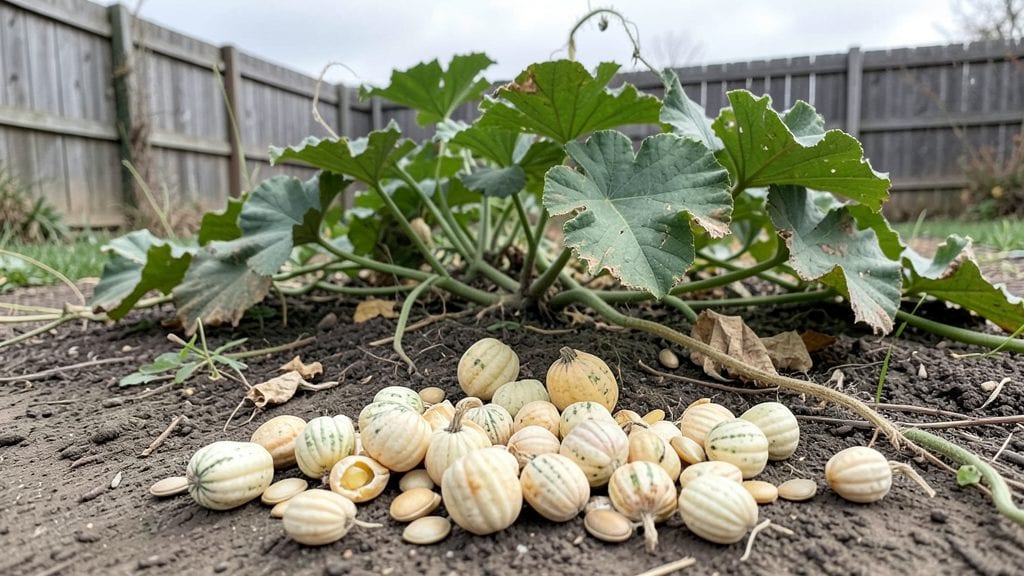
Raw pumpkin seeds are packed with minerals like magnesium and zinc, but their hard outer shells and potential cyanide traces make them risky in large amounts. 🌱 I recommend roasting seeds first to neutralize any toxins while preserving nutrients—just remember that even processed seeds should never exceed 10% of your flock's diet.
The key is balance: pair seeds with fiber-rich greens or grains to aid digestion and prevent weight gain from their high fat content.
For backyard flocks, I suggest offering seeds as an occasional treat rather than a staple. A teaspoon per chicken weekly is a safe starting point, but always monitor their reaction—some birds handle raw seeds better than others.
Store-bought shelled seeds are safer than whole ones, but avoid any that look discolored or moldy, as these may carry hidden risks.
💡 In This Article
- Pumpkin Seed Toxicity Risks for Chickens
- Best Ways to Serve Pumpkin Seeds to Chickens
Pumpkin seed toxicity risks for chickens
The primary concern with raw pumpkin seeds lies in their outer coatings, which contain trace amounts of cyanogenic glycosides—natural compounds that can release cyanide when crushed or digested.
These compounds occur naturally in many seeds, including apples and cherries, but pumpkin seeds contain them in higher concentrations due to their hard, fibrous outer layers. A single seed may contain only micrograms of cyanide, but feeding large quantities without proper preparation can accumulate to harmful levels in chickens.
Fat content is another critical factor, with raw pumpkin seeds containing about 40-50% fat by weight. While this fat provides energy, excessive intake can lead to obesity or fatty liver disease in chickens, especially in breeds prone to weight gain like Orpingtons.
The high fat also makes seeds difficult to digest whole, increasing the risk of impaction—a dangerous blockage in a chicken's digestive tract. 🔥 This is why crushing or grinding seeds is essential, as it breaks down both the hard shells and fat globules for safer consumption.
Processing methods like roasting or boiling significantly reduce risks by breaking down cyanogenic compounds. Roasting at 350°F for 10-15 minutes not only neutralizes toxins but also enhances digestibility by softening the seed structure. Shelled seeds are inherently safer than unshelled ones, as they eliminate the cyanide-rich outer layer entirely.
However, even processed seeds should be fed sparingly—no more than 1-2 teaspoons per chicken per week—to avoid nutrient imbalances in their diet.
Nutritionally, pumpkin seeds offer valuable benefits despite risks. They're rich in magnesium (150mg per ounce) and zinc (2.5mg per ounce), both essential for chicken health, but their high phosphorus content (300mg per ounce) requires balance with calcium sources like crushed oyster shell.
The trade-off is clear: while seeds provide excellent minerals, their potential toxins and fat content demand careful preparation and moderation.
Seasonal availability also plays a role in risk assessment. Freshly harvested pumpkin seeds from organic sources may contain higher cyanide levels than commercially processed ones, which are often treated to reduce toxins.
Always source seeds from reputable suppliers and avoid any that smell bitter or have visible mold—a sign of spoilage that increases toxicity risks. 💫
For backyard flocks, the safest approach combines preparation with portion control. Start with small amounts of shelled, roasted seeds mixed into their regular feed, then gradually increase while monitoring for signs of distress.
The key is treating seeds as a supplement rather than a staple—think of them as the chicken equivalent of a handful of nuts for humans: delicious but best enjoyed in moderation.