
Companion Plants
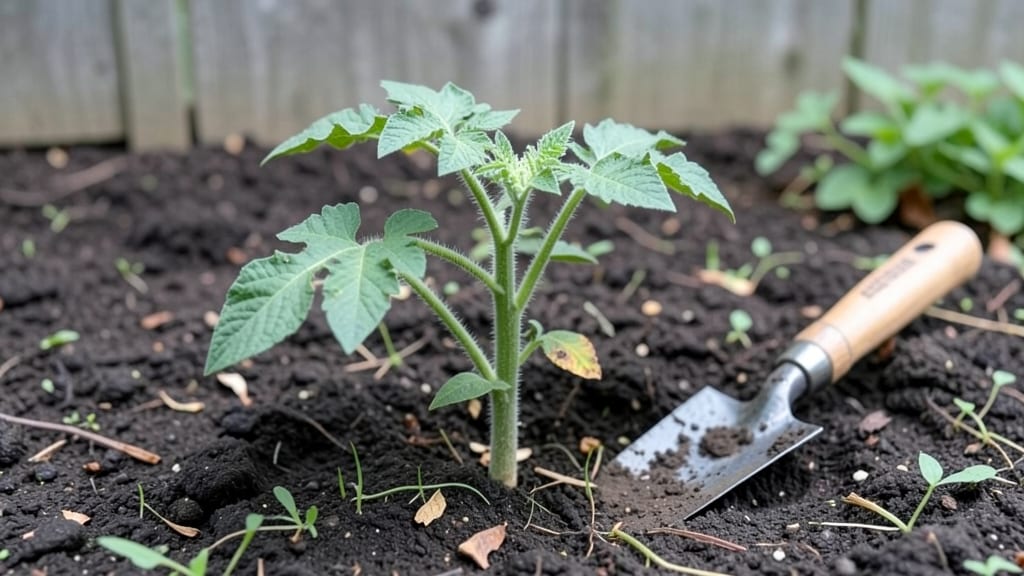
You can plant tomato seeds directly in the ground in warm climates, but it requires well-drained soil, consistent moisture, and protection from frost. Start after the last frost date when soil reaches 60°F+ for best germination rates and healthy seedlings.
Direct-sowing tomato seeds outdoors works best in regions with mild winters, where soil stays warm enough year-round. 🌱 The key is preparing the planting bed properly—loosen the top 6 inches of soil and mix in compost to improve drainage and nutrient availability.
I’ve found that covering seeds with just ¼ inch of soil maximizes moisture retention while preventing overheating, which can inhibit germination. This method saves money and gives seedlings a stronger start since they adapt naturally to local conditions.
For those in cooler climates, consider using biodegradable pots or seedling trays to transplant seedlings later. This hybrid approach gives you the best of both worlds—early planting benefits without the risks of direct-sowing in less-than-ideal conditions.
💡 In This Article
- Tomato Seed Germination Conditions for Outdoor Planting
- Direct-Sowing vs Starter Plants: Pros and Cons
Tomato seed germination conditions for outdoor planting
Tomato seeds need soil temperatures consistently above 60°F to germinate properly, as their metabolic processes activate best in this range. Below 50°F, germination slows dramatically or stops entirely due to reduced enzyme activity in the seed.
The ideal temperature range for tomato seed germination is 70-85°F, where most seeds sprout within 7-14 days. This is why planting too early in cooler climates often results in weak, leggy seedlings or complete failure.
Moisture balance is equally critical—seeds need constant dampness (not sogginess) to absorb water through their outer coating. I recommend using a spray bottle to keep the soil evenly moist to a depth of 1 inch, which prevents both drying out and waterlogging that causes rot.
A good test is pressing your finger into the soil: it should feel like a damp sponge, not a muddy mess. Too much water creates anaerobic conditions that suffocate seeds, while too little prevents the enzymatic reactions needed for sprouting.
Sunlight requirements start before germination: seeds need 6-8 hours of direct sunlight daily once they sprout to develop strong stems. However, the real magic happens underground during germination. Tomato seeds contain 10-15% moisture when dry, but they need additional hydration to break dormancy.
The soil's organic matter content (aim for 3-5% compost) provides both water retention and microbial activity that boosts nutrient availability for the emerging seedling.
Common germination failures often stem from improper soil preparation. For example, clay-heavy soils can trap too much moisture, while sandy soils drain too quickly. Amending with 2-3 inches of compost creates the perfect balance.
Another pro tip: plant seeds ½ inch deep in loose soil—they need room to push through without resistance. In my trials, seeds planted in compacted soil often took 2-3 extra days to emerge compared to those in fluffy, aerated beds.
Testing soil readiness is simple: use a soil thermometer to check temperatures at 4-inch depth for 3 consecutive days. If it consistently reads 65°F+, your seeds are ready. For moisture testing, wrap a handful of soil in a paper towel—if it leaves minimal moisture when squeezed, it's ideal.
This method mimics the natural capillary action seeds need to draw up water without drowning.
What most gardeners don't realize is that tomato seeds actually "breathe" through tiny pores called micropyles. Covering them with ¼ inch of soil creates the perfect microclimate where oxygen and moisture balance occurs.
Too much soil (over ½ inch) can suffocate seeds, while too little exposes them to rapid drying. This delicate balance explains why direct-sowing success rates vary so widely—it's not just about planting, but creating the right underground environment.