Propagation
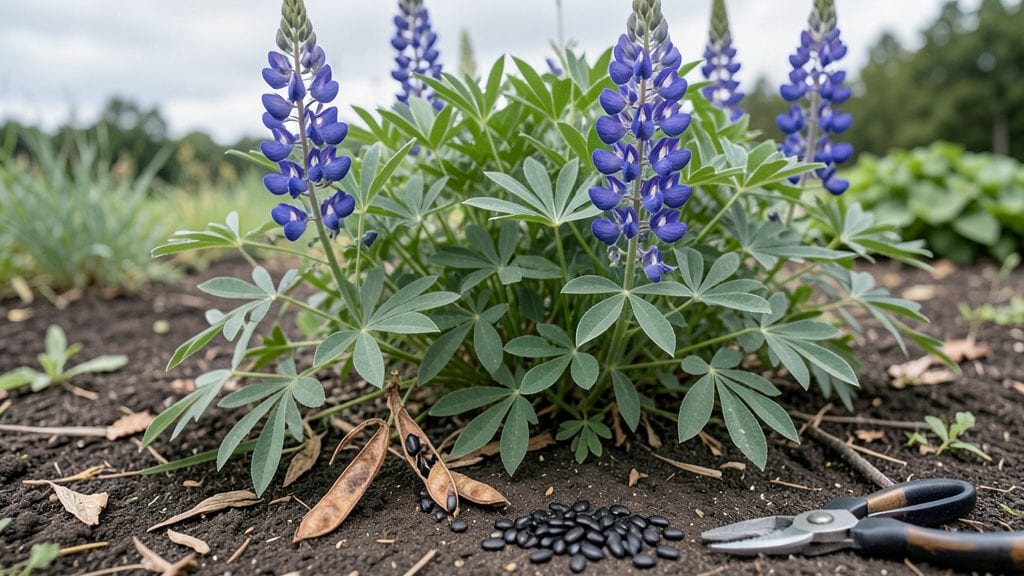
Seeds can reproduce asexually through methods like apomixis or vegetative propagation, creating offspring identical to the parent plant without needing pollination or fertilization.
This means plants can bypass traditional reproduction entirely, producing seeds that carry the exact same traits as their parent. 🌱 For example, some citrus varieties and dandelions naturally reproduce this way, ensuring consistent fruit quality or flower color across generations.
Gardeners can leverage these methods to maintain hybrid traits or propagate rare plants without relying on pollinators.
Apomixis, in particular, occurs when seeds develop from unfertilized ovules, while vegetative propagation uses plant parts like stems or roots to grow new individuals. Both techniques are valuable tools for breeders and home gardeners alike, offering precise control over genetic outcomes.
💡 In This Article
- Asexual Reproduction Methods in Seeds
- Practical Seed Reproduction Techniques for Gardeners
Asexual reproduction methods in seeds
Here's what's actually happening when seeds reproduce without pollination: the plant skips sexual reproduction entirely. Apomixis, for example, occurs when seeds develop from unfertilized ovules, producing offspring that are genetically identical to the parent.
This process relies on specialized cells within the ovule that can develop into embryos without fertilization, a mechanism seen in about 400 plant species, including dandelions and some citrus varieties.
The key factor here is the plant's ability to activate dormant embryonic cells, which bypasses the need for pollen or sperm cells. 🔥
The science behind this involves precise cellular regulation. In apomixis, the plant's reproductive cells undergo mitosis instead of meiosis, preserving the parent's genetic makeup. This creates seeds that are clones of the mother plant, ensuring traits like disease resistance or fruit quality remain consistent.
Environmental triggers like temperature fluctuations or hormonal signals can initiate this process, though many plants have evolved to activate it spontaneously. For instance, some grasses produce apomictic seeds when grown in controlled greenhouse conditions with stable temperatures around 70-75°F.
Vegetative propagation offers another route, where new plants grow from non-reproductive parts like stems, roots, or leaves. This method is common in plants like potatoes (which grow from tubers) or strawberries (which spread via runners).
The advantage here is that the offspring are genetically identical to the parent, making it ideal for maintaining hybrid traits. Gardeners often use this technique to propagate plants like mint or spider plants, which can root easily in water or soil.
The process relies on the plant's ability to regenerate entire organisms from fragments, a skill honed through evolution. ✨
Parthenocarpy is a third method where fruit develops without fertilization, though it doesn't always produce viable seeds. This is common in seedless watermelons or bananas, where the fruit forms from the ovary's stimulation by hormones like gibberellins.
While the fruit itself is asexual, the seeds (if present) may still form through apomixis. The distinction here is critical: parthenocarpy focuses on fruit development, while apomixis ensures seed production without fertilization. Both methods highlight nature's flexibility in reproduction strategies.
What most people don't realize is how these methods impact agriculture and conservation. Apomixis, for example, allows breeders to maintain hybrid vigor in crops like alfalfa or citrus, where sexual reproduction would dilute desirable traits.
In wild ecosystems, it ensures genetic stability in species like dandelions, which thrive in disturbed environments. The trade-off? Reduced genetic diversity, which can be a concern for long-term adaptability. For gardeners, understanding these processes unlocks tools to propagate rare or hybrid plants with precision. 💫
Consider the dandelion as a prime example: its seeds form through apomixis, ensuring every plant produces offspring with the same bright yellow flowers and resilient growth habits. This consistency is why dandelions dominate lawns worldwide—they're essentially cloning machines.
Similarly, citrus trees like oranges or lemons often reproduce asexually, preserving the exact flavor and fruit characteristics that make them commercially valuable. The ability to control reproduction this way is a game-changer for both farmers and hobbyists.