Pruning
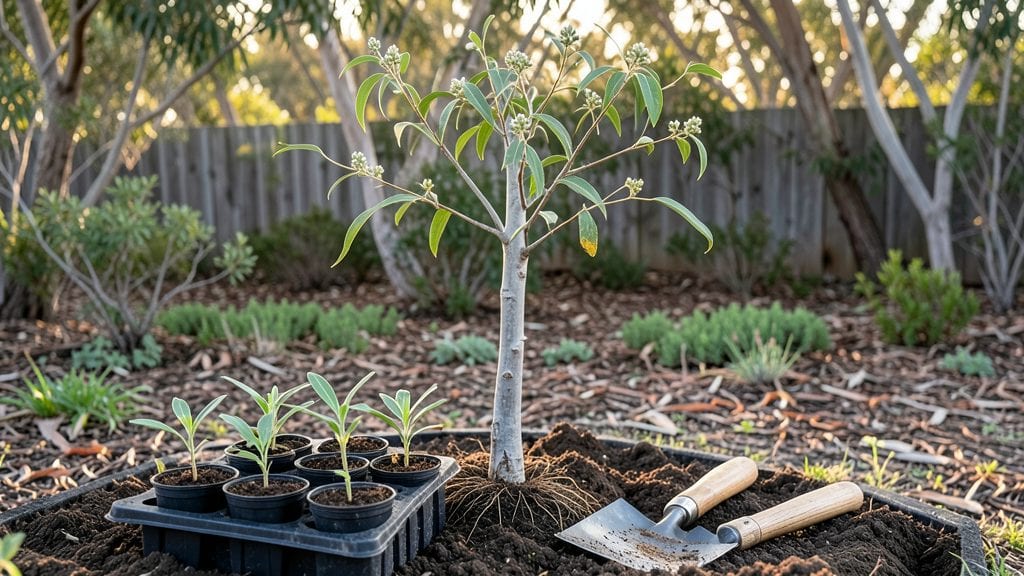
Growing a eucalyptus tree from seed isn’t for the impatient—it’s a long game that rewards you with fragrant, silvery foliage that no nursery sapling can match. 🌿 I’ve watched mine go from a speck of soil to a 6-foot sentinel, and the secret lies in understanding its stubborn growth rhythm.
These trees don’t rush; they wait for the right conditions, then explode with life when you least expect it.
The real magic happens in the first year, when you’re balancing moist but not soggy soil, bright but indirect light, and the patience to wait through dormancy periods that can stretch for months.
Most people give up here—mistaking slow growth for failure. But once you crack the code, your eucalyptus will outpace anything you’ve ever grown, with glossy leaves that smell like a forest after rain.
Pruning isn’t just about shaping—it’s about teaching the tree to grow stronger, not taller. Start with light trims in early spring, and you’ll encourage bushier growth that stays lush year-round. The key is working with the tree’s natural cycles, not against them.
By summer, you’ll have a tree that’s drought-tolerant, pest-resistant, and the envy of every neighbor who bought their eucalyptus in a pot.
Here’s the thing—this isn’t a quick project. But if you’re in it for the long haul, a seeded eucalyptus will outlast any transplant and become the centerpiece of your garden. Let’s get those seeds started right.
📚 In This Guide
- What you need
- Instructions
- Tips and common mistakes
- Wrapping up and next steps
What you need
- ● Pruning shears – Sharp, bypass-style shears (for small branches, 4–6 inches long).
- ● Loppers – For medium branches (8–12 inches), with a long handle for safety.
- ● Pruning saw – A curved-tooth saw for thick branches (1.5+ inches in diameter).
- ● Disinfectant – 70% isopropyl alcohol or a 10% bleach solution (1 part bleach to 9 parts water) to sterilize tools between cuts.
- ● Heavy-duty gloves – Garden gloves (waterproof, cut-resistant) to protect from thorns and sap.
- ● Rake or broom – To clear fallen debris after pruning.
- ● Trash bags – For disposing of pruned branches (check local rules—some areas ban burning eucalyptus clippings!).
- ● Pole pruner – For high branches (extendable, 6–10 feet).
- ● Tree wound dressing – Pruning sealant (controversial—skip if your tree is young or healthy!).
- ● Ladder – Sturdy, non-slip (only if pruning >6 feet high).
- ● Spray bottle with water – To dampen dusty branches before cutting.
- ● Notebook & pen – To sketch your tree’s shape or track pruning progress.
How to prune a seeded eucalyptus tree for healthy growth
Eucalyptus trees thrive with the right pruning—here’s how to keep yours lush and strong.
✂️ Step 1: Identify the Right Time to Prune
Prune your eucalyptus tree in late winter or early spring, just as new growth begins. This timing ensures you’re not cutting back fresh foliage that helps the tree store energy for the season. Avoid pruning in fall or winter when the tree is dormant—this stresses the plant and invites disease.
Look for buds swelling along the branches—that’s your cue. If you see new leaves pushing through old growth, it’s time. Never prune during hot, dry periods; eucalyptus trees are sensitive to heat stress after cuts, and sap flow can dry out the branches.
✂️ Step 2: Gather the Right Tools and Safety Gear
Use sharp, clean pruning shears for small branches and loppers for thicker stems up to 1 inch in diameter. For anything larger, grab a pruning saw—eucalyptus wood is tough, and dull tools tear instead of cut cleanly. Sterilize your tools with rubbing alcohol before and after to prevent spreading disease.
Wear gloves—eucalyptus leaves can irritate skin, and sap may stain clothing. Safety goggles are a must, too, because eucalyptus branches snap easily and can whip back unexpectedly. Work on a dry day to avoid slipping on wet leaves or branches.
✂️ Step 3: Remove Dead, Diseased, or Crossing Branches First
Start by scanning the tree for dead branches—they’re brittle and snap when bent. Next, look for diseased wood (discolored, oozing sap, or fungal growth) and crossing branches rubbing against each other. Cut these back to the main trunk or a healthy side branch, making cuts at a 45-degree angle just above a leaf node or bud.
Don’t leave stubs—this invites rot and weakens the tree. If a branch is thicker than ½ inch, make a second cut 6-12 inches out from the first to avoid tearing the bark. For large branches, use the three-cut method: undercut first, then make a top cut, and finally remove the branch cleanly.
☀️ Step 4: Thin the Canopy for Better Airflow and Light
Eucalyptus trees need good airflow to prevent fungal issues, so aim to remove 20-30% of the foliage in one session. Focus on overcrowded areas where branches grow too close together. Start from the inside of the tree, working outward, to open up the center for light.
Watch for suckers—small, fast-growing shoots at the base of the tree. These compete with the main trunk for nutrients. Snip them off at the base with clean shears. If you see leggy growth (long, thin branches with few leaves), prune back by ⅓ to encourage bushier, stronger growth.
⏰ Step 5: Shape and Maintain for Long-Term Health
After removing problem branches, step back and assess the tree’s shape. Eucalyptus grows naturally tall, so avoid heavy topping—this can stress the tree and lead to weak regrowth. Instead, prune selectively to maintain a balanced silhouette, with the widest part of the canopy ⅓ of the way up from the base.
Water the tree deeply after pruning to help it recover. Mulch around the base with 2-3 inches of organic mulch (like wood chips) to retain moisture and protect roots. Monitor the tree for new growth in 4-6 weeks—this signals successful pruning. If you see excessive sap bleeding from cuts, apply pruning sealant to larger wounds over ½ inch in diameter.
Tips & tricks for pruning seeded eucalyptus trees
Pruning eucalyptus trees might seem intimidating, but these practical tips will help you achieve a healthier, more vibrant tree with minimal stress.
The Timing Factor: The late winter or early spring timing in Step 1 is crucial because eucalyptus trees store energy in their leaves during dormancy. Pruning too early can remove these energy reserves, while waiting until buds swell ensures you're cutting back only what's necessary. If you miss this window, you can prune again in late summer—but avoid fall or winter entirely.
Tool Technique: For branches thicker than ½ inch, I can't emphasize enough how important the three-cut method is in Step 3. First, make a small undercut on the underside of the branch about 6-12 inches from the trunk. Then, make your top cut just outside the branch collar. Finally, remove the branch cleanly. This prevents tearing the bark, which is especially important for eucalyptus because their bark is thin and sensitive. I've seen many pruners make the mistake of cutting straight across—this leaves ugly wounds that take forever to heal.
Canopy Strategy: When thinning the canopy in Step 4, focus on creating a balanced silhouette where the widest part of the tree is about one-third up from the base. This mimics the tree's natural growth pattern and prevents heavy topping, which can stress the tree. I like to think of it as sculpting—you're shaping the tree to grow stronger and more resilient. Remember, eucalyptus trees grow fast, so you'll need to repeat this process every year or two to maintain that ideal shape.
Pro Tips for Seeded Eucalyptus Tree
- Pruning eucalyptus trees might seem intimidating, but these practical tips will help you achieve a healthier, more vibrant tree with minimal stress.
- The Timing Factor: The late winter or early spring timing in Step 1 is crucial because eucalyptus trees store energy in their leaves during dormancy.
- Tool Technique: For branches thicker than ½ inch, I can't emphasize enough how important the three-cut method is in Step 3.
Frequently asked questions
Got questions about growing and maintaining your seeded eucalyptus tree? You’re not alone! Here are some of the most common queries—plus straightforward answers to keep your tree thriving year-round.
How long does it take for a eucalyptus seed to germinate?
A seeded eucalyptus tree typically takes 2–6 weeks to germinate, depending on soil temperature, moisture, and seed freshness. Keep the soil consistently moist (but not soggy) and place the pot in a warm, sunny spot. Patience is key—some seeds may take longer, especially if stored improperly.
When is the best time to prune a young seeded eucalyptus tree?
Prune your young eucalyptus tree in late winter or early spring (before new growth begins) to encourage healthy branching. Avoid heavy pruning in fall, as it can stress the tree before winter. For older trees, light shaping can happen in late spring or summer—but never prune in extreme heat or drought.
Why are my eucalyptus leaves turning yellow or dropping?
Yellowing or dropping leaves often signal overwatering, underwatering, or nutrient deficiencies. Check soil moisture—eucalyptus prefers well-draining soil. If leaves are crispy, it’s thirsty; if mushy, it’s drowning. A balanced fertilizer (low in nitrogen) in spring can also help. Pests like psyllids can also cause stress—inspect undersides of leaves!
Can I grow a seeded eucalyptus tree indoors, or does it need outdoor space?
While eucalyptus trees thrive outdoors in USDA zones 8–11, some dwarf varieties (like Eucalyptus pauciflora ‘Nana’) can grow in large containers indoors near a sunny window or grow light. However, they’ll need regular pruning to control size and humidity to mimic their natural habitat. Outdoor planting is ideal for most varieties!
How do I encourage bushier growth in my seeded eucalyptus?
To promote bushiness, prune the top 2–3 inches of new growth in spring to stimulate side shoots. Avoid “heading back” (cutting into old wood), as eucalyptus responds poorly. Thin out crowded branches to improve airflow, and fertilize lightly with phosphorus-rich soil to support root and branch development.
What should I do if my seeded eucalyptus tree isn’t growing at all?
Stunted growth often stems from poor drainage, compacted soil, or lack of sunlight. Test your soil’s pH (eucalyptus prefers 6.0–7.0) and amend with sand or perlite if it’s heavy. Move the tree to a sunnier spot (6+ hours of light daily) and avoid over-fertilizing. If roots are circling in a pot, repot into a larger container with fresh soil.
Wrapping up and next steps
Growing a thriving seeded eucalyptus tree is all about patience, precision, and a little green thumb love! 🌿 With the right pruning techniques—like shaping for airflow, removing dead branches, and timing cuts for seasonal growth—you’ll keep your tree lush and healthy year-round.
Whether you’re a pruning pro or just starting, every trim brings your eucalyptus closer to its full, vibrant potential.
Ready to take the next step? Grab your tools and schedule your first pruning session—your tree (and your garden!) will thank you. Happy pruning! 🌳✨