Planting
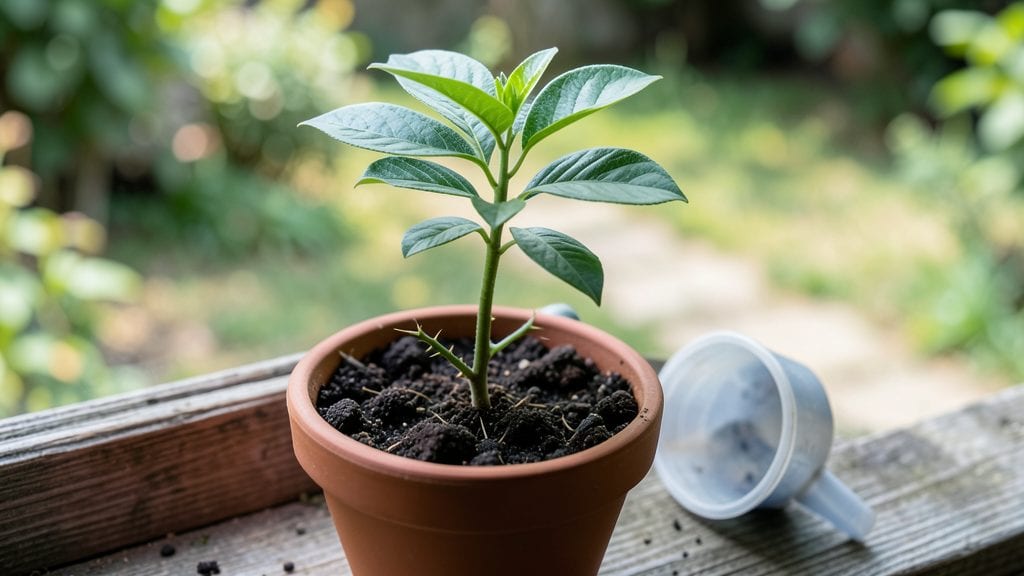
Growing a guava plant from seedling to fruiting tree is one of those rewards that makes every early struggle worth it. 🌱 I’ve watched my first seedlings go from fragile little stems to producing sweet, fragrant fruit in just two years—and the key is starting right with the perfect soil, light, and patience.
The first 3 months are all about establishing strong roots. Guava seedlings need well-draining soil mixed with compost, a sunny spot (6+ hours of light daily), and water that keeps the soil moist but never soggy.
Overwatering is the #1 killer—let the top inch dry between waterings. A 5-gallon pot works for starters, but transplant outdoors after the last frost when roots fill the container.
By month 6, you’ll see rapid growth if you’ve nailed the basics. Prune leggy stems early to encourage bushier growth, and fertilize lightly with a balanced 10-10-10 mix every 4 weeks.
The real magic happens in year 2, when proper care leads to first blooms—and eventually, those creamy, aromatic guavas you’ve been dreaming of.
Whether you’re in a warm climate or a cooler zone with a greenhouse, the same principles apply. The secret? Consistency. Guava seedlings forgive mistakes but never neglect—once you hit that growth spurt, you’ll know you’re on the right track.
📚 In This Guide
- What you need
- Instructions
- Tips and common mistakes
- Wrapping up and next steps
What you need
- ● Guava seeds or seedling: 1–3 fresh seeds (from ripe guava fruit) or a 6–12-inch-tall nursery seedling.
- ● Well-draining potting mix: 5–10 lbs of a blend like cactus/succulent mix or regular potting soil + perlite (50/50 ratio).
- ● Containers: 2–3 small pots (4–6 inches wide) for seedlings or a 1-gallon pot for a young sapling.
- ● Drainage trays or saucers: 1–2 to catch excess water.
- ● Organic fertilizer: Balanced (10-10-10) or citrus-specific fertilizer (1 lb).
- ● Watering can or spray bottle: With a fine rose attachment for gentle watering.
- ○ Plastic wrap or humidity dome: Optional but helpful for seed germination.
- ● Pruning shears: Small, sharp pair for trimming (sterilized with rubbing alcohol).
- ● Gloves: Lightweight gardening gloves to protect hands from thorns.
- ● Sunlight access: South-facing window or grow lights (12+ hours/day for seedlings).
- ○ Thermometer (optional): To monitor soil temp (ideal: 70–85°F for germination).
- ○ Mulch (optional): Straw or shredded leaves to retain moisture in outdoor plantings.
Step-by-Step guide to growing a guava seedling into a fruit tree
Here’s how I turn tiny guava seedlings into sturdy tropical fruit trees—with minimal fuss and maximum success.
🌱 Step 1: Start with the Right Seedling and Soil
Choose a healthy guava seedling with 2-3 true leaves and no signs of yellowing or wilting. The roots should be white and firm, not mushy or brown. Guavas thrive in well-draining soil with a slightly acidic to neutral pH (around 6.0-7.0). Mix 3 parts potting soil with 1 part perlite or coarse sand to improve drainage—guava roots rot easily in soggy conditions.
Fill a 5-gallon container (or larger) with this mix, leaving 2 inches of space at the top. Tap the pot gently to settle the soil, then water it until moisture reaches 3 inches deep. Let it drain completely before planting your seedling. This prevents waterlogging, which can drown young roots overnight.
☀️ Step 2: Provide Warmth and Bright, Indirect Light
Guava seedlings need full sun (6-8 hours daily), but direct midday sun can scorch tender new leaves. Start with morning sun + afternoon shade for the first 2 weeks, then gradually increase exposure. If growing indoors, place near a south-facing window with supplemental grow lights (12-14 hours/day) to mimic tropical conditions.
Keep the soil warm (75-85°F)—guavas are tropical and won’t thrive in cold soil. A seedling heat mat helps if your climate dips below 60°F at night. You’ll see new growth within 3-4 weeks if conditions are right. Watch for leggy stems (a sign of insufficient light) and adjust placement immediately.
💧 Step 3: Water Deeply but Infrequently
Guava seedlings hate soggy roots but also can’t handle drought. Water once a week during the first month, letting 3-4 inches of soil dry out between waterings. Stick your finger in the soil—if it feels dry 1 inch down, it’s time to water. Use a watering can with a narrow spout to direct moisture to the base, avoiding the leaves to prevent fungal diseases.
After the first month, reduce frequency to every 10-14 days unless the weather is extremely hot or dry. Overwatering is the #1 killer of guava seedlings—yellowing leaves or dropping fruit later are red flags. If you see wilting, water deeply and check for root rot by gently tugging on the plant (resistance means healthy roots; easy pull means rot).
✂️ Step 4: Prune for Stronger Growth and Shape
Once your seedling reaches 12-18 inches tall, prune to encourage bushier growth. Cut back the top 2-3 inches of the main stem just above a leaf node (where leaves grow). This triggers side branches, giving your tree a fuller shape. Remove any dead, diseased, or crossing branches with clean, sharp pruners—guavas respond well to pruning but resent rough cuts.
Prune in late winter or early spring before new growth begins. Avoid heavy pruning in summer, as it stresses the plant. You’ll notice new shoots within 2-3 weeks—these are your future fruiting branches. Thin out crowded stems to improve airflow, which reduces the risk of fungal infections that plague guava trees.
🌿 Step 5: Transition to Outdoor Conditions Gradually
After 6-8 weeks of indoor or container growth, harden off your seedling by moving it outside for 1-2 hours daily in a sheltered spot. Start with shade and gradually increase sun exposure over 2 weeks. If temperatures drop below 50°F, bring it back inside or cover it with frost cloth—guavas are tropical and won’t survive cold snaps.
Once hardened off, transplant to a permanent spot with well-draining soil and full sun. Dig a hole twice as wide as the root ball but no deeper. Loosen the roots gently if they’re circling, then backfill with soil and water deeply. Mulch around the base with 2-3 inches of organic mulch to retain moisture and regulate soil temperature. Your guava will take 3-5 years to bear fruit, but with patient care, you’ll have a productive tree for decades.
Tips & tricks for growing a healthy guava seedling
Here's what I learned the hard way about nurturing guava seedlings into thriving fruit trees.
Soil Temperature Matters: In Step 1, when you're preparing your 5-gallon container, place it on a seedling heat mat if your home tends to get chilly at night. Guava roots struggle below 60°F, and maintaining that 75-85°F range during those first critical weeks makes all the difference. I've seen seedlings wither overnight when soil temps dropped below 50°F—don't let that happen to yours!
Light Transition Strategy: During the 2-week acclimation period in Step 2, I recommend moving your seedling closer to the light source every 3-4 days rather than all at once. Watch for the leaves turning slightly darker green—they're telling you they're ready for more light. Leggy stems mean it's time to increase exposure faster. Those 12-14 hours of grow light really pay off when you see compact, sturdy growth instead of weak, stretched-out seedlings.
Pruning Precision: When you reach Step 4 and need to cut back those top 2-3 inches, use clean pruners and make your cuts just above a leaf node at a 45-degree angle. This tiny detail prevents water from pooling on the cut and causing rot. I've seen many gardeners skip this angle trick and end up with waterlogged cuts that never heal properly. Also, save those pruned stems—they can be propagated to create new plants!
Harden Off Smartly: For the 6-8 weeks of indoor growth before hardening off, I suggest keeping a journal of your seedling's progress. Note when you first see new growth, when leaves darken, and when stems thicken. This helps you track exactly how your plant responds to light and temperature changes. During the 2-week hardening off period, gradually increase outdoor time by 30 minutes each day—this slow adaptation prevents shock that can stunt growth for weeks.
Pro Tips for Guava Plant Seedling
- Here's what I learned the hard way about nurturing guava seedlings into thriving fruit trees.
- Soil Temperature Matters: In Step 1, when you're preparing your 5-gallon container, place it on a seedling heat mat if your home tends to get chilly at night.
- Light Transition Strategy: During the 2-week acclimation period in Step 2, I recommend moving your seedling closer to the light source every 3-4 days rather than all at once.
Frequently asked questions
Got questions about growing guava seedlings?
You’re not alone! Here are some of the most common queries—and their straightforward answers—to help you nurture your tropical fruit tree with confidence.
How long does it take for a guava seedling to bear fruit?
A guava seedling typically takes 3 to 5 years to bear fruit, depending on the variety, climate, and care. Dwarf varieties may fruit sooner (around 2 years), while standard trees take longer. Patience is key—consistent watering, sunlight, and soil health speed up the process!
Can I grow a guava tree from store-bought guava seeds?
Yes! Store-bought guava seeds can sprout, but the fruit quality may vary—some seeds produce wild or hybrid trees with smaller, less flavorful fruit. For reliable results, opt for grafted seedlings or seeds from a known variety. If using store seeds, soak them in warm water for 24 hours to improve germination rates.
How cold can a guava seedling tolerate?
Guava seedlings thrive in warm climates (USDA Zones 9-11) and struggle below 30°F (-1°C). Young plants are especially vulnerable—protect them with mulch or move potted seedlings indoors during frost. Mature trees can handle brief dips to 25°F (-4°C), but severe cold may damage leaves or fruit.
What’s the best time to transplant a guava seedling outdoors?
Transplant guava seedlings after the last frost when soil is warm (ideal temps: 70–80°F / 21–27°C). Aim for spring or early summer to avoid stress. Harden off seedlings (acclimate to outdoor conditions) for 7–10 days before planting. Choose a spot with full sun (6+ hours/day) and well-draining soil.
Why are my guava seedlings’ leaves turning yellow?
Yellow leaves often signal overwatering, nutrient deficiency, or fungal issues. Check the soil—it should be moist but not soggy. Lack of nitrogen (common in poor soil) causes yellowing too; fertilize with a balanced formula. Fungal diseases (like leaf spot) thrive in humidity—improve airflow and avoid wetting leaves.
Can I grow guava in a container? How big should the pot be?
Guava trees adapt well to containers, especially dwarf varieties. Use a 15–20 gallon pot with drainage holes and a fast-draining mix (cactus/succulent soil works). Repot every 2–3 years as roots grow. Place pots in full sun and water deeply when the top inch of soil dries out. Dwarf varieties stay manageable, while standard trees may need larger pots or ground planting.
Wrapping up and next steps
Growing a guava plant seedling is a rewarding journey that brings lush greenery and delicious tropical fruit to your doorstep! 🌱 With the right care—sunlight, well-draining soil, and patience—you’ll soon enjoy a thriving tree.
Whether you’re a beginner or seasoned gardener, every step you take brings you closer to that first sweet harvest.
Ready to take the next step? Start by transplanting your seedling into a larger pot or garden bed, then watch it grow with confidence. Happy planting! 🌟