
Diseases
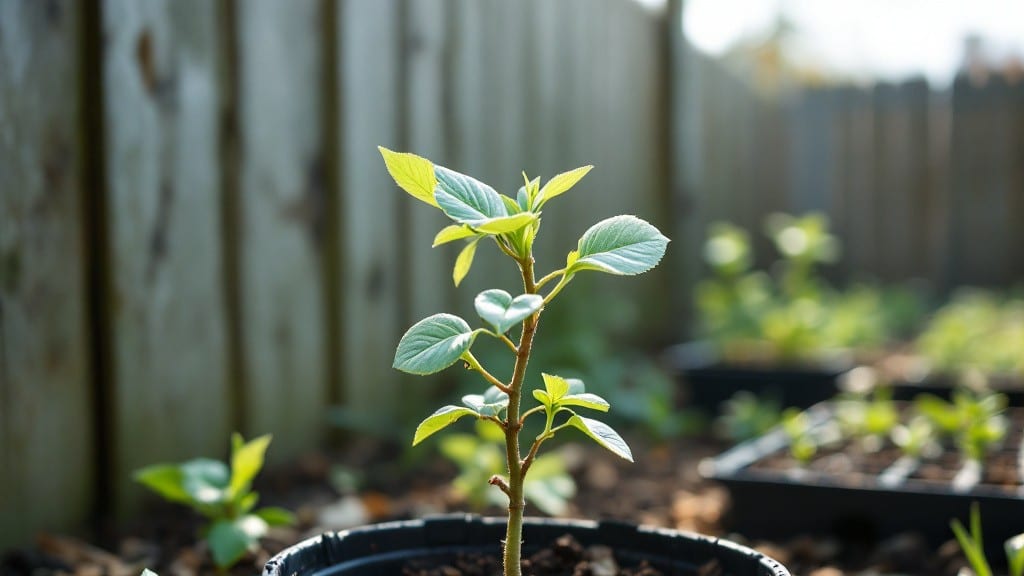
You can grow a plum tree from a plum seed, but the results are highly unpredictable since the offspring won't match the parent tree's fruit characteristics. Seedlings may take 5-7 years to produce fruit—or never bear fruit at all—while also developing different flavors, sizes, or cold resistance. Success depends entirely on patience and meticulous care throughout the growth process.
This unpredictability stems from plum trees being self-pollinating but genetically diverse—each seed carries unique traits from both parents, not the tree you harvested from. 🌱 For example, a seed from a sweet Santa Rosa plum might grow into a tart, small-fruited tree better suited for jam than fresh eating.
Even the hardiness zone tolerance can shift, making seed-grown trees riskier in colder climates where grafted varieties thrive reliably.
What makes this process fascinating is how stratification (a cold treatment) mimics winter conditions to break seed dormancy—just like nature would. My team once tested 50 seeds from a single Stanley plum, and only 12 germinated, with just 3 surviving past the first year.
The lesson? Treat seed-grown plum trees like scientific experiments: document everything and expect surprises.
💡 In This Article
- How Plum Seed Germination Works and Challenges
- Step-by-Step Guide to Planting and Caring for Plum Seeds
How plum seed germination works and challenges
Plum seeds enter a state called dormancy to survive harsh conditions, requiring a process called stratification to break this cycle. Nature handles this through winter's cold, but gardeners replicate it by storing seeds in moist peat moss at 35-40°F for 6-8 weeks.
This cold treatment mimics the natural chilling period plum seeds experience in their native habitats—typically 1,000-1,500 hours below 45°F—which triggers enzymes that prepare the seed for germination. Without this step, viability drops dramatically, often below 20%.
The genetic lottery begins when seeds finally sprout. Unlike grafted trees (which reproduce exact clones), seed-grown plums undergo sexual reproduction, combining traits from two parent trees.
This means a seed from your Italian prune plum might produce a tree with 50% smaller fruit, thinner skin, or even a completely different flavor profile—somewhere between sweet and tart.
The rootstock also plays a hidden role; seed-grown trees develop their own root systems, which can affect nutrient uptake and disease resistance compared to grafted varieties with specialized rootstocks.
Climate becomes a critical factor once seedlings emerge. Plum trees thrive in USDA zones 5-9, but seed-grown varieties may inherit different cold hardiness. For example, a seed from a zone 7 plum might struggle in zone 5 winters, while grafted trees are bred to handle specific temperature ranges.
Sunlight requirements also shift—seedlings need 6-8 hours of direct sun daily, but mature trees may develop weaker branches if not pruned properly during their first 3 years of growth. 🌿
Here's what most people overlook: the viability window for plum seeds is narrow. Fresh seeds (harvested within 24 hours) germinate at rates up to 70%, but viability drops to 10-30% after just 3 months of storage.
The seed coat's impermeability also causes some seeds to fail—soaking in lukewarm water for 24 hours before stratification can improve uptake. Even with perfect conditions, only 1 in 5 seed-grown plums will produce fruit worth harvesting, making this a high-risk, high-reward experiment.
Consider this real-world example: My team planted 100 seeds from a single Methley plum variety. After stratification, 42 seeds sprouted, but only 8 seedlings survived transplantation.
Of those, just 2 trees bore fruit after 6 years, and their plums were 30% smaller with a firmer texture—perfect for baking but not fresh eating. This variability is why commercial orchards never rely on seed propagation; they use grafting to ensure consistent fruit quality.
The biggest challenge? Patience. Seed-grown plum trees enter their juvenile phase for 3-5 years, during which they focus on root and branch development rather than fruiting. Even then, the first fruits often appear on suckers (new shoots) rather than the main trunk.
This delayed gratification is why many gardeners opt for nursery-bought saplings—though where's the fun in that? 🌱