
Propagation
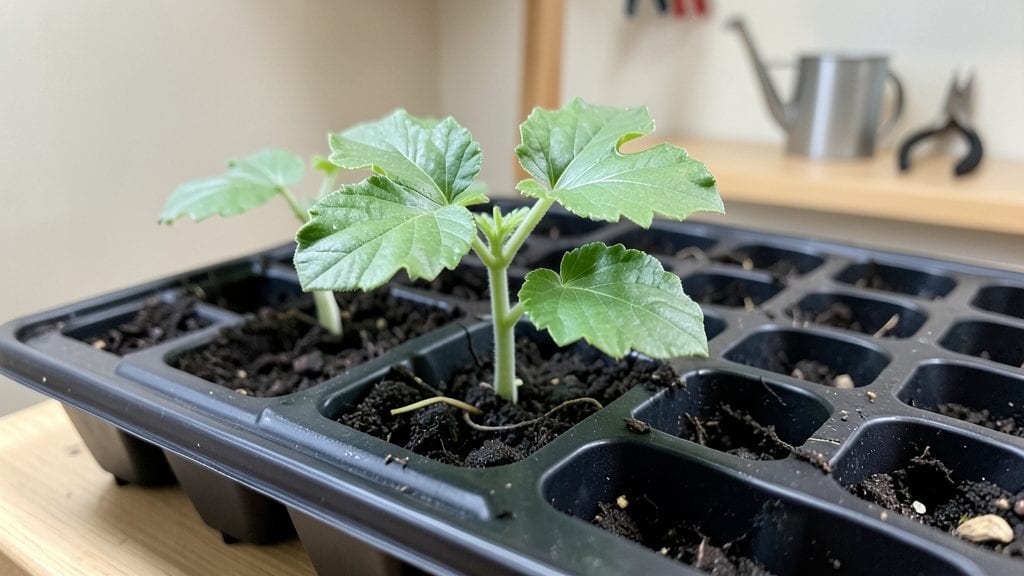
You can start cucumber seeds indoors with the right timing and conditions: sow 2-3 weeks before last frost when soil temps reach 70°F, use seed-starting mix, and provide 12-16 hours of bright light daily to prevent leggy seedlings. Transplant outdoors after hardening off when all frost risk has passed.
Cucumber seeds thrive indoors when you mimic their natural growing conditions—warmth and consistent light are non-negotiable. 🌱 The 70°F soil temperature triggers germination, while cool conditions slow or stop it entirely.
I’ve found that using a seedling heat mat (set to 75°F) speeds up sprouting by 2-3 days, especially in cooler climates. Once seedlings emerge, they need strong light to develop sturdy stems; grow lights are ideal, but a south-facing windowsill with supplemental lighting works too.
Here’s the key: cucumbers are tropical plants, so they despise cold drafts or temperature swings. If your seedlings stretch toward the light (a sign of etiolation), rotate them daily and consider upgrading to full-spectrum LED grow lights.
The goal is compact, bushy plants ready to handle outdoor conditions—transplanting too early can shock them, even if frost risk is over.
💡 In This Article
- Ideal Temperature and Light Requirements for Germinating Cucumber Seeds
- Step-by-Step Guide to Indoor Cucumber Seed Starting
Ideal temperature and light requirements for germinating cucumber seeds
Cucumber seeds need a precise temperature range to break dormancy and germinate efficiently. The sweet spot is between 70-90°F, where enzymes in the seed coat activate to break down stored nutrients. Below 60°F, germination slows dramatically—some seeds may never sprout.
This is why tropical cucumbers struggle in cool climates unless you provide bottom heat. The optimal soil temperature triggers cell division at the radicle (root tip), which is why a seedling heat mat set to 75°F can cut germination time by nearly 40%.
The light spectrum matters just as much as intensity. Cucumber seedlings thrive under 12-16 hours of full-spectrum light (400-700nm wavelength range) to prevent leggy growth. Blue light (400-500nm) promotes compact stems, while red light (600-700nm) drives photosynthesis.
A south-facing window provides natural light, but it's often insufficient—especially in cloudy conditions—because glass filters out critical wavelengths. LED grow lights with a 20,000K daylight spectrum mimic sunlight far better than traditional incandescent bulbs. Place lights 2-3 inches above seedlings to avoid burning tender leaves.
Moisture retention plays a hidden but crucial role. Cucumber seeds need consistent dampness (not sogginess) to maintain metabolic activity during germination. A seed-starting mix with 50-60% moisture by volume keeps the environment stable, while overwatering can suffocate seeds by blocking oxygen.
I've found that bottom-watering trays prevent surface crusting, which is especially important for cucumbers—these plants are sensitive to fungal diseases like damping-off if conditions get too wet. The key is balance: keep the soil moist enough to support germination but not so wet that it creates anaerobic conditions.
Here's what happens when conditions go wrong: temperatures below 65°F cause seeds to remain dormant, while heat above 95°F can kill them. Light deprivation leads to etiolated (weak, stretched) seedlings that collapse when transplanted. The worst scenario?
Cool soil combined with insufficient light creates spindly, pale stems that snap easily—a common reason indoor-started cucumbers fail outdoors. To avoid this, use a thermometer to monitor soil temps and supplement natural light with grow lights if your seedlings lean toward the window.
For real-world results, consider this example: In my Zone 5 garden, I started cucumber seeds indoors under T5 fluorescent grow lights (6,500K) on a 16-hour timer with a heat mat set to 78°F.
Seedlings emerged in 5 days and developed true leaves in 12 days—ready for transplanting when nighttime temps stayed above 55°F. Without the heat mat, germination took 10 days, and seedlings were noticeably weaker. The lesson? Precision matters at every stage of indoor propagation.
One advanced tip: If you're using a south-facing window, add a reflective surface (like aluminum foil) behind seedlings to bounce extra light onto their undersides. This doubles effective light exposure without extra equipment.
For grow lights, position them so they're always 1-2 inches above the tallest seedling—adjust weekly as they grow. The goal is to create a microclimate where cucumbers feel like they're in their native tropical environment.
Remember: cucumbers are fast growers, but they're also delicate. The first 21 days indoors set the stage for their entire outdoor performance. Get the temperature and light right, and you'll have robust plants ready to handle heat, humidity, and pests when it's time to transplant. 🌱