
Vegetables
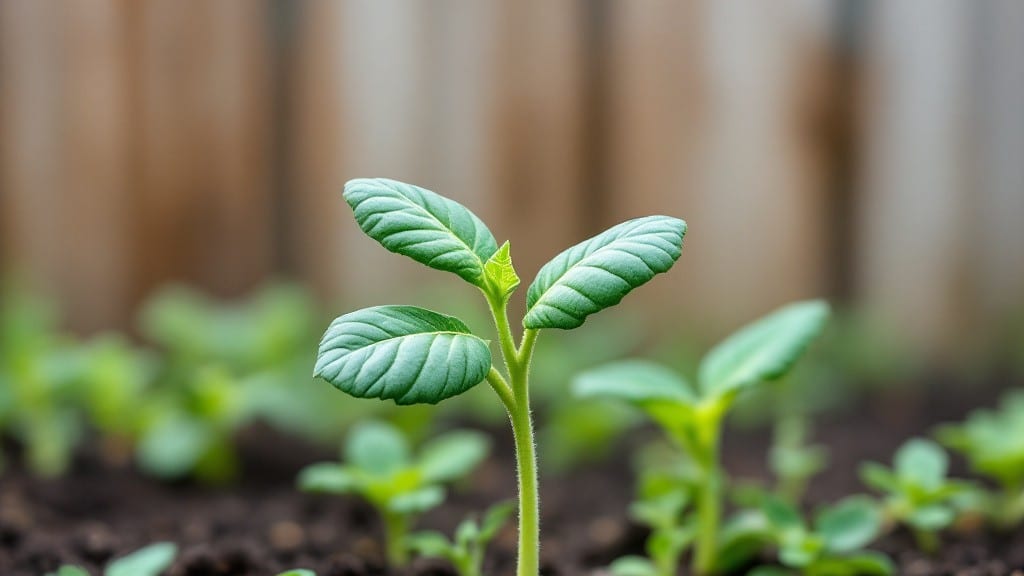
Cauliflower seedlings with limp, yellowing leaves don’t mean your garden is doomed—it’s just a cry for help. 🌱 I’ve nursed back dozens of sad-looking starts by fixing just one or two things, and you can too.
The key is spotting the real problem: too much water drowning roots, pests munching unseen, or a nutrient hunger that’s easy to correct.
Start by checking the soil—it should feel like a damp sponge, not a swamp. If the leaves are curling inward, it’s often a sign of heat stress or aphids hiding on the undersides.
A quick spray of water or a pinch of neem oil can work wonders. For yellowing, it’s usually nitrogen deficiency, fixed with a balanced fertilizer or compost tea.
📚 In This Guide
- What you need
- Instructions
- Tips and common mistakes
- Wrapping up and next steps
What you need
- ● Cauliflower seedlings: 4–6 young plants (3–4 weeks old, with visible wilted or droopy leaves).
- ● Well-draining potting mix: 1–2 gallons (pre-moistened, organic blend with perlite or vermiculite for aeration).
- ● Container or garden bed: Option 1: 5–7 inch diameter pots (1 per seedling) with drainage holes.
- ● Option 2: Raised bed or in-ground plot (12–18 inches deep, amended with compost).
- ● Watering can or spray bottle: With a fine mist nozzle for gentle hydration.
- ● Fertilizer: Balanced liquid fertilizer (10-10-10 or 5-5-5, diluted to half-strength).
- ● OR Slow-release granular fertilizer (e.g., 1 tbsp per plant).
- ● Pruning shears or clean scissors: For trimming damaged leaves (sterilized with rubbing alcohol).
- ● pH test kit: To check soil acidity (ideal range: 6.5–7.0 for cauliflower).
- ● Epsom salt (magnesium sulfate): 1 tsp per gallon of water (for yellowing leaves).
- ● Shade cloth (30–50% coverage): To protect seedlings from harsh afternoon sun.
- ● Mulch (straw or shredded leaves): 1–2 inches thick to retain moisture.
- ● Grow lights (LED, full-spectrum): For indoor setups (12–16 hours of light/day).
- ● Glove and knee pad: For comfort during planting or transplanting.
Step-by-step guide to reviving wilted cauliflower seedling leaves
Here's how to bring those droopy greens back to life in no time.
💧 Step 1: Check for Water Stress and Adjust Moisture
First, press your finger ½ inch into the soil. If it feels dry, that’s your clue—cauliflower seedlings need consistently moist (not soggy) soil. Use the 1 cup water you’ve set aside and pour it slowly around the base of the plant, not over the leaves. This prevents fungal issues while giving roots a drink.
I know it seems counterintuitive, but don’t soak the soil—just until water runs out the drainage hole. Overwatering smothers roots and causes the same wilting you’re trying to fix. Wait 10 minutes after watering to let excess drain before checking leaf turgor (that’s fancy talk for "firmness").
☀️ Step 2: Evaluate Light Exposure and Adjust Position
Leggy, pale seedlings mean your light source isn’t strong enough. Move the plant within 6 inches of a south-facing window or under your grow light. If you’re using artificial light, ensure it’s 14-16 hours daily—cauliflower seedlings need plenty to stay sturdy.
Here’s the thing—if leaves are crispy at the edges, you’ve got too much direct sun. Shift the plant to a spot with morning sun and afternoon shade. Watch for 1-2 hours of recovery time after adjusting light. You’ll see leaves perk up within 30 minutes to 2 hours if the fix was right.
🌿 Step 3: Inspect for Pests and Disease Signs
Flip over those wilted leaves—look for tiny holes, webbing, or white spots. Those are red flags for pests like aphids or fungal issues. If you spot anything, spray the leaves with neem oil solution (mix 1 teaspoon per quart of water) using the spray bottle. Focus on the undersides where pests hide.
If leaves feel mushy or smell foul, that’s damping-off disease. Remove the affected seedlings immediately and repot healthy ones in fresh, sterile soil. I’ve lost entire trays this way, but catching it early saves the rest of your plants. After treatment, keep the area well-ventilated to prevent recurrence.
⏰ Step 4: Fertilize Gently for Recovery
Wait 3-5 days after reviving the plant before adding fertilizer. Once leaves are firm again, use the ½ teaspoon diluted fertilizer (mixed with 1 gallon water) to give it a gentle boost. Cauliflower seedlings don’t need much—just a light feeding to rebuild strength.
Apply fertilizer to the soil, not the leaves, to avoid burning tender foliage. Water the plant again after fertilizing to help nutrients absorb. You’ll notice new growth within 5-7 days if the plant is otherwise healthy. This step is all about patience—don’t overdo it.
🌱 Step 5: Monitor and Maintain Ideal Conditions
Keep the soil moist but never waterlogged—check daily during hot weather. Cauliflower seedlings thrive in 60-70°F temperatures. If your home runs cooler, use a small heat mat under the tray to maintain warmth without stressing the plant.
Rotate the pot a quarter turn every 2 days so the plant grows straight toward the light. You’ll see stronger stems and fuller leaves within a week. This is where consistency pays off—small daily checks prevent future wilting and keep your seedlings on track for transplanting.
Tips & tricks for reviving wilted cauliflower seedling leaves
Reviving wilted seedlings takes more than just water and light—here's what I've learned from bringing my own droopy greens back to life.
The Moisture Test: That 10-minute wait after watering is crucial. I used to rush and check leaves too soon, only to find them still limp. Give roots time to absorb water before assessing turgor. If leaves still feel soft after 10 minutes, your plant needs more than just moisture—it might be struggling with light or pests.
Light Positioning Secret: The 6-inch rule for south-facing windows is non-negotiable for cauliflower seedlings. I learned this the hard way when my seedlings stretched toward a north window and turned pale. For indoor grow lights, position them just above the plant height—cauliflower needs that intense light to stay sturdy. The crispy edge test is your best indicator of too much sun exposure.
Pest Inspection Strategy: Always check leaf undersides first—this is where pests hide. I used to miss aphids on top leaves and thought my plants were just wilting from water stress. The neem oil solution works best when applied in the evening to prevent leaf burn from sunlight. Focus on the newest growth areas where pests love to congregate.
Fertilizer Timing: Those 3-5 days before fertilizing are essential. I made the mistake of feeding immediately after reviving and ended up burning tender leaves. The ½ teaspoon measurement is precise—too much fertilizer can be just as harmful as too little. Always dilute fertilizer in the full gallon of water to prevent concentration burns.
Pro Tips for Cauliflower Seedling Leaves
- Reviving wilted seedlings takes more than just water and light—here's what I've learned from bringing my own droopy greens back to life.
- The Moisture Test: That 10-minute wait after watering is crucial.
- Light Positioning Secret: The 6-inch rule for south-facing windows is non-negotiable for cauliflower seedlings.
Frequently asked questions
Why are my cauliflower seedling leaves turning yellow or wilted?
Yellow or wilted leaves often signal overwatering or underwatering. Check soil moisture—it should feel damp but not soggy. Poor drainage or pests (like aphids) can also cause wilting. Revive seedlings by adjusting watering habits and inspecting leaves for pests. If roots look mushy, repot in fresh, well-draining soil.
How long does it take for wilted cauliflower seedling leaves to recover?
Recovery time depends on the cause. For mild wilting due to stress (e.g., heat or transplant shock), leaves may perk up in 24–48 hours with proper care. Severe cases (root rot or pests) may take 3–7 days or require repotting. Monitor soil moisture, prune damaged leaves, and keep seedlings in indirect light to speed up healing.
Can I save a cauliflower seedling with completely brown, crispy leaves?
If only the leaves are brown and crispy (not the stem or roots), the seedling might still recover. Trim the damaged leaves and adjust care: reduce watering if overdone, or increase humidity if the air is too dry. If the stem is soft or black, the seedling is likely dead—start fresh with a new one!
What’s a quick fix for drooping cauliflower seedling leaves?
Try the “revival spray” trick: Mist leaves with room-temperature water and place the seedling in a shady, humid spot (like a plastic bag with holes) for a few hours. For extra support, stake young seedlings or use a toothpick to prop up wilted leaves. Avoid fertilizing until leaves recover—focus on hydration first!
Are there alternatives to cauliflower seedlings if mine keep failing?
Yes! Try broccoli seedlings (hardier) or kale (more resilient to stress). For cauliflower, opt for transplants from nurseries (they’re more established) or grow fast-maturing varieties like ‘Snowball Y Improved.’ If space is tight, consider container gardening with well-draining soil to reduce wilting risks.
Wrapping up and next steps
Reviving wilted cauliflower seedling leaves doesn’t have to be a struggle—with the right techniques, you can breathe new life into your plants in minutes! Whether it’s proper hydration, gentle pruning, or nutrient boosts, these simple steps ensure your seedlings stay healthy and thriving. 🌱
Now that you’re armed with the knowledge, take action! Grab your supplies, roll up your sleeves, and give your seedlings the care they deserve. Watch them flourish, and soon you’ll be harvesting vibrant, delicious cauliflower heads. Happy gardening! 🌟