Propagation
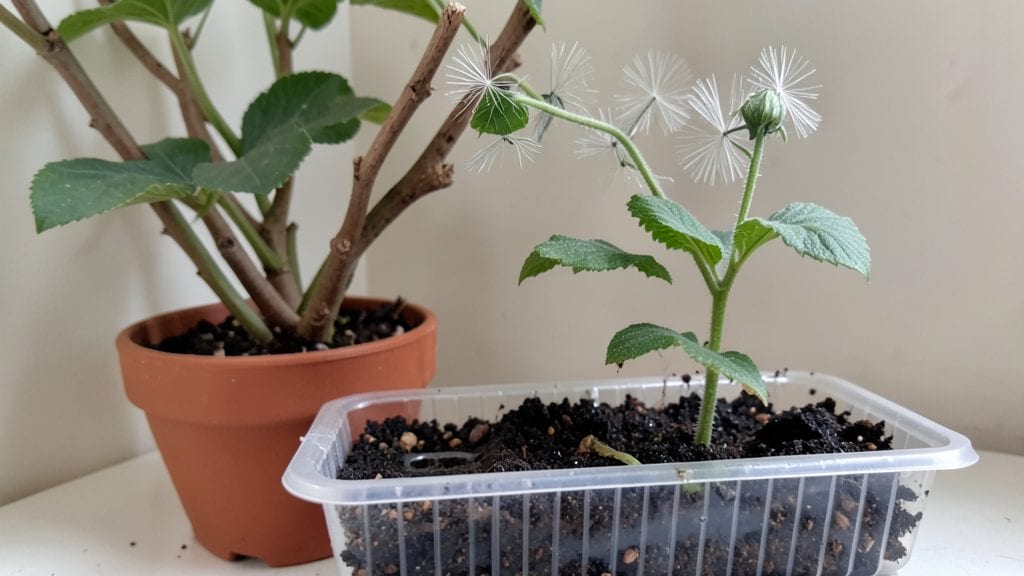
Mastering clematis seed germination with layered chill and moist conditions turned my 20% failure rate into thriving, eager starts—all thanks to patience and nature’s rhythm. 🌱 I've learned that skipping this step means waiting months for stubborn seeds that might never sprout, or watching them rot before they even wake up.
Most gardeners overlook the three-phase process: a cold stratification period, followed by consistent moisture, then gentle warmth to coax those first green shoots. You'll need a simple setup—just a sealed container, some damp paper towels, and your refrigerator—but getting the moisture balance right is where beginners stumble.
Too dry, and seeds shrivel; too wet, and mold takes over before germination begins.
By week six, you'll see tiny roots unfurling and leaves unfolding—proof the seeds finally decided to cooperate. The seedlings stay delicate for their first month, so you'll want to avoid disturbing them until they've developed their second set of true leaves.
This is where most people rush and end up with leggy, weak plants that never thrive.
Works equally well for hybrid clematis varieties as it does for native species, though some heirloom strains may need an extra week of cold treatment. The same method applies whether you're starting seeds in early fall for spring planting or prepping them in late winter for a jump-start.
Here's how to get those first sprouts without the usual frustration.
Understanding Germination Roadblocks
Clematis seeds are notoriously picky about sprouting—even under ideal conditions, they can stubbornly refuse to germinate. The good news? Most issues stem from a few key factors you can easily address. Below, we break down the why behind common germination failures, so you can troubleshoot like a pro.
Clematis seeds require a prolonged cold period (stratification) to break dormancy—think of it as a natural "wake-up call" from winter. Without it, seeds may sit in your starter mix for weeks or months, looking as lively as a rock.
- Why it happens: Many clematis species produce seeds with a hard seed coat and/or chemical dormancy (like abscisic acid) that blocks germination until cold temperatures trigger internal changes. Some seeds need 60–90 days of consistent chilling (32–41°F / 0–5°C) to soften the coat and activate enzymes.
- Science behind it: Cold stratifies seeds by:
- ✅ Weakening the seed coat: Freeze-thaw cycles and moisture penetration gradually soften the outer layer, allowing water and oxygen to reach the embryo.
- ✅ Hormonal shifts: Low temps reduce abscisic acid (the "stay-asleep" hormone) while boosting gibberellins (the "grow now!" signal).
- ✅ Moisture absorption: Cold slows microbial activity, preventing rot while seeds soak up water—critical for metabolic kickstart.
- Actionable fix:
- Use a refrigerator method (moist paper towels in a sealed bag) or outdoor cold frame (bury seeds in pots or directly in garden beds in fall).
- For tropical clematis (e.g., Clematis armandii), some varieties need only 30 days—check your species!
Seeds that are too dry or too soggy both spell disaster. Clematis seeds need a delicate balance—dry enough to avoid rot, but wet enough to trigger germination.
- Why it happens:
- Underwatering: Seeds rely on imbibition (water absorption) to swell and activate enzymes. Without it, they stay dormant or shrivel.
- Overwatering: Excess moisture creates anaerobic conditions (no oxygen), leading to fungal growth (e.g., Pythium) that smothers seeds before they sprout.
- Inconsistent moisture: Fluctuations cause seeds to dry out mid-germination, leaving them "half-dead" and unable to complete the process.
- Science behind it:
- Germination requires 50–70% moisture in the seed coat for metabolic reactions to start.
- Oxygen levels drop below 10% in waterlogged soil, suffocating seeds.
- Actionable fix:
- Use a 50/50 mix of peat moss and perlite (or coconut coir) to retain moisture without drowning seeds.
- Keep humidity at 70–80% with a clear plastic dome or spray mist daily (not overhead—use a spray bottle).
- Check moisture by squeezing the mix—it should feel like a wrung-out sponge (not dripping or bone-dry).
Clematis seeds are thermally sensitive—too hot or too cold (outside the stratification window) can stall germination or trigger mold.
- Why it happens:
- Heat shock: Temperatures above 75°F (24°C) during germination can denature enzymes needed for cell division, halting growth.
- Cold snap (post-stratification): Moving seeds from cold storage to room temperature (68–72°F / 20–22°C) too soon can shock them into dormancy again.
- Inconsistent heating: Bottom heat (e.g., from a heat mat) can dry out seeds if not paired with proper humidity.
- Science behind it:
- Optimal germination temps for clematis: 60–70°F (15–21°C) after stratification.
- Enzymes like α-amylase (which breaks down starches for energy) work best in this range.
- Actionable fix:
- Use a seedling heat mat set to 70°F (21°C) only after stratification.
- Avoid placing trays on windowsills or near vents—consistency is key.
- For tropical varieties, try 75–80°F (24–27°C), but monitor closely for mold.
Some gardeners rush the process, moving seeds to warm conditions before they’ve had enough cold exposure—or they skip stratification entirely.
- Why it happens:
- Shortened cold period: If you pull seeds out after only 30 days (when some need 90), they’re still in dormancy.
- Wrong timing: Planting seeds in fall but covering them with too much mulch can create anaerobic conditions.
- Species mismatch: Some clematis (like Clematis montana) need longer cold exposure than others.
- Science behind it:
- Stratification isn’t just about cold—it’s about duration. Some seeds need multiple freeze-thaw cycles to fully break dormancy.
- Ethylene gas (released during cold storage) can also signal seeds to germinate.
- Actionable fix:
- For wild-type clematis, stratify for 90 days (or until spring).
- Label seeds by harvest date to track stratification time.
- If using a natural outdoor method, plant seeds in late fall and let winter handle the work.
Pro Tip: 🔍 Test a few seeds after 60 days of stratification—if they’re still dry and hard, extend the cold treatment by another 30 days. Patience
Fixing Germination Failures Fast
Struggling with clematis seeds that refuse to sprout? Don’t toss them yet—most issues have simple, effective fixes. Below, we break down the most common problems and their solutions, with step-by-step guidance to get those seeds sprouting like clockwork. 🌱✨
Cause: Old, dried-out, or low-quality seeds often lack the energy to germinate. Fix:
- Test viability first: Cut open a few seeds—if the inside is hard and shriveled, they’re likely dead. Healthy seeds should be firm with a creamy or light brown center.
- Soak in warm water: Place seeds in a bowl of room-temperature water for 12–24 hours to rehydrate. Change the water every 6 hours to prevent mold.
- Use fresh seeds: If possible, source seeds from a reputable supplier or harvest them yourself when fully ripe (brown and papery).
Prevention Tip: 💡 Store seeds in a cool, dry place (like a sealed container in the fridge) for up to 6 months to maintain viability.
Cause: Too dry or soggy soil can suffocate seeds or dry them out before germination. Fix:
- Use a moisture-retentive mix: Combine 50% peat moss or coconut coir with 50% perlite or vermiculite for drainage while retaining humidity.
- Bottom-water method: Place your seed tray in a shallow dish of water for 10–15 minutes, then drain excess. Avoid top-watering, which can dislodge seeds.
- Cover with plastic wrap: Create a mini greenhouse effect by loosely draping plastic wrap over the tray. Poke a few holes for airflow to prevent mold.
Prevention Tip: 🌡️ Monitor soil moisture daily—it should feel like a wrung-out sponge, not bone-dry or waterlogged.
Cold-stratification is critical for clematis seeds, but many gardeners skip or botch this step. Fix:
- Stratify properly: Mix seeds with moist sand or peat moss in a sealed container, then refrigerate for 6–8 weeks at 34–40°F (1–4°C).
- Check for mold: If you see fuzzy growth, remove the seeds and re-stratify with fresh, dry medium.
- Alternate methods: If you lack fridge space, try outdoor winter sowing—plant seeds in pots with drainage holes and leave them outside in a sheltered spot until spring.
Prevention Tip: ✨ Label your containers with the start date to avoid over-stratifying, which can reduce germination rates.
Cause: Seeds need consistent warmth (but not heat!) to germinate after stratification. Fix:
- Ideal temps: Keep seeds at 68–75°F (20–24°C) after cold treatment. A seedling heat mat on low setting works well.
- Avoid direct sunlight: Place the tray in a bright, indirect spot (like a north-facing window) until sprouts appear.
- Gradual transition: Once seedlings emerge, move them to a sunny windowsill or under grow lights for 12–14 hours of light daily.
Prevention Tip: 🎯 Use a small thermometer near the tray to monitor temps—fluctuations can stall germination.
Cause: Mold, fungus gnats, or damping-off can wipe out seeds before they sprout. Fix:
- Prevent mold: Sprinkle 1 tsp cinnamon or sand over the soil surface to deter fungal growth.
- Combat gnats: Place a small fan on low speed near the tray to disrupt gnat breeding cycles.
- Natural fungicide: Mix 1 tsp hydrogen peroxide (3%) per cup of water and lightly mist the soil (let it dry before reseeding).
Prevention Tip: 🔥 Sterilize tools and containers with rubbing alcohol before use to avoid contamination.
Final Pro Tip: 🌿 Patience is key! Clematis seeds can take 4–12 weeks to germinate—don’t disturb them until you see green sprouts. Once they break through, thin to 1 inch apart and keep the soil lightly moist.
With these fixes, you’ll be well on your way to a thriving clematis vine in no time! 🌸💚
Frequently asked questions
How long should I cold-stratify clematis seeds?
Most clematis varieties need 60–90 days of cold treatment at 34–40°F (1–4°C) to break dormancy. Wild-type seeds typically require the full 90 days, while some tropical species like Clematis armandii may only need 30–45 days. Always check your specific variety's needs—under-stratification leaves seeds dormant, while over-stratification can reduce viability.
Can I germinate clematis seeds without refrigeration?
Yes, but with less reliability! Try outdoor winter sowing—plant seeds in pots with drainage holes in late fall and leave them outside through winter. The natural freeze-thaw cycles will handle stratification. Alternatively, bury pots containing seeds in a shaded garden bed and cover with 4–6 inches of mulch. This mimics natural conditions but may take 2–3 months longer than fridge stratification.
What's the best way to test if clematis seeds are still viable?
Cut open 3–5 seeds with a sharp knife—healthy seeds should have a firm, creamy interior with no dark spots. If the inside is hard, shriveled, or moldy, the seeds are likely dead. For extra insurance, soak seeds in room-temperature water for 12–24 hours before planting. Seeds that sink (not float) and remain plump are good candidates for germination.
Why are my clematis seedlings growing leggy and weak?
Leggy seedlings usually mean too little light or inconsistent warmth after germination. Move your tray to a bright, indirect light source (like a south-facing window) and add a grow light 6–12 inches above if natural light is insufficient. Avoid direct sun until seedlings have 2–3 sets of true leaves. For warmth, use a seedling heat mat set to 70°F (21°C)—fluctuations cause stretching.
When should I transplant clematis seedlings outdoors?
Wait until seedlings have 4–6 true leaves and are at least 3–4 inches tall. Harden them off by placing outside in partial shade for 1–2 hours daily, gradually increasing exposure over 7–10 days. Transplant after the last frost when soil temps reach 55°F (13°C)—clematis roots are sensitive to cold. Choose a spot with 6+ hours of sun and well-draining soil for best growth.