
Trees
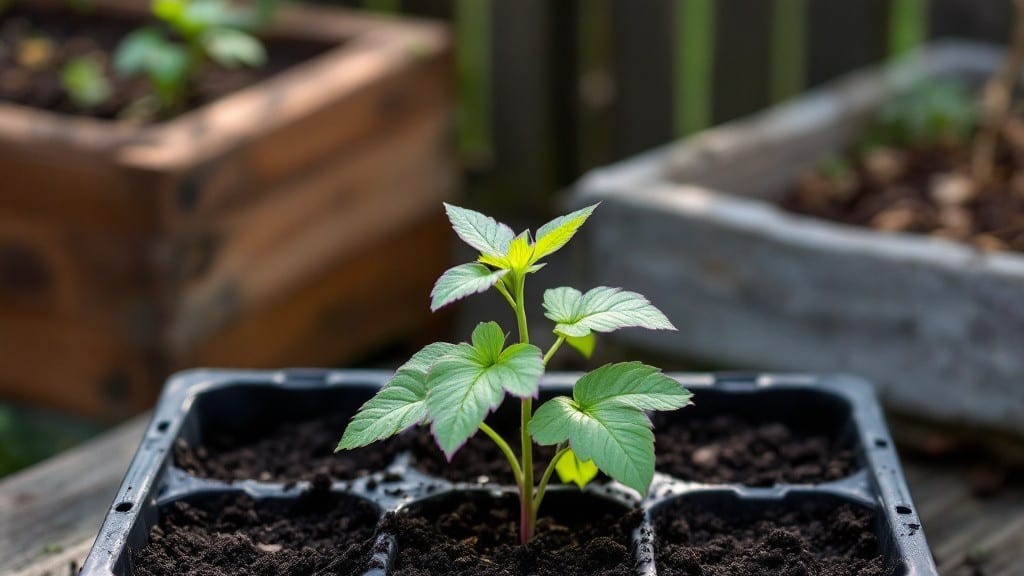
The identification of a columbine seedling begins with those distinctive finger-like leaves and deep green stems that set them apart from weeds. 🌱 I’ve spent years watching these delicate plants emerge, and the key is noticing how the leaves grow in whorls around the stem—like tiny, lobed hands reaching for the sun.
Most gardeners overlook them because they blend into grass or other seedlings, but once you spot that pattern, you’ll never mistake them again.
The real game-changer is the stem color: healthy columbine seedlings have a rich, deep green hue, while stems of common weeds like chickweed or dandelions are paler or reddish.
Early identification saves time—you can transplant them before they get crowded out, and they’ll reward you with vibrant blooms by next spring. The trick is checking the soil surface first, where the most vulnerable seedlings hide.
If you’re still unsure, focus on the leaf shape: columbine leaves have 5-7 rounded lobes that look almost like a child’s handprint. Weeds often have jagged edges or smoother shapes, and their stems grow more upright.
Once you’ve confirmed a seedling, give it space—crowding stresses them out, and they’ll bolt or fail to thrive. A little extra room now means showstopping flowers later.
Confusion happens when seedlings get tangled with grass or other broadleaf weeds, but a quick hand-lens check reveals the telltale whorls. Even in shady spots where weeds dominate, columbine seedlings hold their own—once you know what to look for.
The payoff? A garden full of nodding, bell-shaped blooms that hummingbirds can’t resist.
Mistakes That Cloud Identification
Misidentifying columbine seedlings can happen for a few key reasons—often tied to how we observe or compare plants. Understanding these pitfalls helps you spot the real deal with confidence. Here’s why confusion happens and how to avoid it.
Columbine seedlings (Aquilegia spp.) start with tiny, lobed leaves that can look surprisingly similar to other wildflowers or weeds. The issue? Many plants—like Delphinium (larkspur) or even young Ranunculus—have divided leaves in their early stages.
Without close inspection, their subtle differences (like leaf shape, vein patterns, or stem hairiness) go unnoticed.
Why it happens:
- Size matters: Seedlings are tiny (often under 2 inches tall), making details hard to spot with the naked eye. A magnifying glass or macro lens on your phone can reveal key traits like serrated edges or the unique five-lobed pattern of true columbine leaves.
- Environmental mimicry: Columbines thrive in partial shade, where other shade-loving plants (like Heuchera or Astilbe) sprout similarly. Their leaves may overlap in color (deep green, purple-tinged) or texture (soft, slightly fuzzy).
Actionable fix: Compare seedlings to a side-by-side leaf chart (like the one in our guide) and note:
- 🔍 Leaf lobes: Columbine leaves have 3–5 rounded lobes with a notched tip, while larkspur leaves are more toothed and jagged.
- 🌿 Stem color: True columbine stems are often reddish-purple at the base (a dead giveaway in young plants).
Columbine foliage isn’t always the vibrant green you’d expect—especially in seedlings. Environmental stress (like poor soil or drought) can make leaves appear yellowish, purple, or even reddish, mimicking nutrient deficiencies in other plants. This color shift is a survival tactic: anthocyanins (pigments) protect young leaves from sun damage.
Why it happens:
- Sunlight exposure: Seedlings grown in full sun may develop bronze or purple hues to shield themselves, while those in shade stay green. This can fool gardeners into thinking they’re seeing a different species entirely.
- Soil pH: Acidic soil (pH < 6.0) enhances purple tones in columbine leaves, making them resemble heuchera or begonia seedlings. Test your soil with a simple pH kit to rule out misidentification.
Actionable fix: Use these color cues to distinguish columbine:
| True Columbine | Lookalikes (e.g., Larkspur, Heuchera) |
|---|---|
| Green with purple-red veins or uniform purple stems | Solid green or silvery-blue (like heuchera) |
| Leaves darken in cold (natural adaptation) | Yellowing = nutrient deficiency (not normal) |
Most gardeners focus on leaves when identifying seedlings, but columbine’s stem and growth pattern are just as critical. Young columbine stems grow upright but slightly zigzag, with a hairy texture that’s often missed. Other plants (like bleeding heart) have smoother, more arching stems.
Why it happens:
- Hairy stems blend in: The fine hairs (trichomes) on columbine stems can appear dusty or fuzzy, especially in humid conditions. Without touching (or zooming in), they look like dirt or mildew.
- Growth speed: Columbine seedlings grow slowly at first, while weeds like dandelions shoot up quickly. Gardeners may dismiss them as "not worth identifying"—until flowers appear (if they do).
Actionable fix: Check these stem secrets:
- 👆 Growth angle: Columbine stems lean slightly (not straight up like snapdragons).
- 💦 Touch test: Run your finger along the stem—hairy = columbine; smooth = likely a lookalike.
- ⏳ Timing: True columbine seedlings take 2–3 weeks to develop their first true leaves (not the initial "seed leaves"). Wait it out if unsure!
Pro tip: 💡 Snap a photo of the whole seedling (not just leaves) and compare it to our interactive ID tool. Lighting and angle can reveal hidden clues!
Quick Fixes for Columbine Seedling Confusion
Identifying columbine seedlings can feel like solving a puzzle—especially when similar plants throw you off. Whether you’re dealing with misidentification, overcrowding, or pests/diseases, these practical solutions will help you spot and nurture your seedlings with confidence.
Below, we’ve mapped common issues to actionable fixes, plus prevention tips to keep your garden thriving.
Columbine seedlings can easily be mistaken for aquilegia (their close relatives) or even delphinium or larkspur. Here’s how to tell them apart—and what to do if you’re unsure:
🔥 Step 1: Examine Leaf Shape & Stem Color
- Columbine seedlings have lobed, fern-like leaves with three distinct segments and a hollow, slightly hairy stem (often reddish or green).
- Aquilegia (true columbine) seedlings may look identical at first, but mature plants have spurred flowers—check for tiny flower buds (even in seedlings) to confirm.
- Delphinium/larkspur seedlings have slender, lance-shaped leaves (not lobed) and a solid, smooth stem.
> 💡 Pro Tip: Snap a photo and compare it side-by-side with a reliable guide. If unsure, wait 2–3 weeks—columbine leaves develop deeper lobes over time.
👨🍳 Step 2: Transplant & Observe
- If you suspect misidentification, gently transplant the seedling to a small pot with well-draining soil.
- Label it with the date and variety (if known). Watch for:
- True columbine: Leaves will grow more intricate, and stems may develop a slight red tint.
- Imposters: Delphinium will stay slender; aquilegia may show flower spikes earlier.
🌡️ Prevention: Start with Certified Seeds
- Purchase seeds from reputable nurseries (e.g., Baker Creek or Territorial Seed) to avoid hybrids or mislabeled varieties.
- Avoid wild-collected seeds—they may not match your expected plant.
Columbine seedlings grow best with 6–12 inches of space. If your tray or bed is packed, follow these steps to thin humanely:
⏰ Best Time to Thin
- Wait until seedlings have 2–3 sets of true leaves (not just cotyledons).
- Thin on a cloudy day to reduce stress from sunlight.
🔪 How to Thin Properly
- Water the area 1–2 hours before thinning to soften the soil.
- Use scissors or shears (not your hands) to snip seedlings at the base. This prevents uprooting and disturbing roots of nearby plants.
- Leave the strongest seedlings—look for:
- Upright growth (not leggy or weak).
- Healthy stem thickness (not thin or brittle).
- Replant thinned seedlings immediately in a separate tray or share with fellow gardeners.
> ✨ Bonus Tip: If you hate wasting plants, try hydroponic clipping—place cuttings in water to root, then transplant later!
📊 Prevention: Space Seeds Correctly
- For trays: Sow seeds ¼ inch apart, then thin to 2 inches apart once leaves emerge.
- For outdoor beds: Use a seed spacing tool or mark rows with sticks to maintain 6-inch intervals.
- Mulch lightly with straw to deter weeds that compete for space.
Columbine seedlings are vulnerable to aphids, slugs, and powdery mildew. Catch issues early with these targeted solutions:
🐜 Aphids or Spider Mites?
- Symptoms: Sticky residue (honeydew), curled leaves, or tiny webs.
- Fix:
- Spray neem oil (1 tsp per quart of water) or insecticidal soap (follow label instructions).
- Introduce ladybugs—they eat aphids naturally!
🐌 Slugs or Snails?
- Symptoms: Ragged holes in leaves, slimy trails at night.
- Fix:
- Set up
- Sprinkle diatomaceous earth around seedlings (avoid overapplying—it can harm soil).
- Handpick at night with a flashlight and drop into soapy water.
🌡️ Powdery Mildew?
- Symptoms: White, powdery coating on leaves.
- Fix:
- Spray with baking soda solution (1 tsp baking soda + 1 quart water + a drop of dish soap).
- Water at the base (avoid wetting leaves) and plant in full sun (6+ hours/day).
🎯 Prevention: Build Resilience
- Hardening off seedlings gradually (acclimate to outdoor temps over 7–10 days).
- Use row covers for the first 2 weeks after transplanting.
- Rotate crops if replanting columbine in the same spot—pests build up over time.
With these fixes, your columbine seedlings will grow into healthy, show-stopping plants—no more guesswork! Remember, the key is observation and consistent care. Happy gardening! 🌸
Frequently asked questions
How do I tell columbine seedlings apart from weeds?
Look for the distinctive lobed leaves shaped like tiny hands with 3-5 rounded segments. Columbine stems often have a reddish-purple tint at the base, while weeds typically have smoother, paler stems. Check for hairy texture on columbine stems too.
What's the best time of day to identify seedlings?
Morning is ideal! Dew evaporates by midday, revealing leaf details more clearly. Avoid afternoon when shadows obscure fine features. Use a magnifying glass if leaves are tiny—columbine's vein patterns become visible under magnification.
Can I transplant columbine seedlings too early?
Yes, but wait until they have 2-3 sets of true leaves (not just the initial seed leaves). Handle gently—columbine roots are delicate. Transplant on a cloudy day to reduce shock, and keep soil moist but not soggy for the first week.
Why do some columbine seedlings look purple instead of green?
This is normal! Purple hues appear when seedlings are stressed by cold temperatures or bright sunlight. It's their way of protecting leaves. Healthy seedlings will green up as they establish roots—no need to worry unless leaves also show yellowing or wilting.
How close can I plant columbine seedlings together?
Give them 6-12 inches of space to prevent competition. In trays, start with 2-inch spacing between seedlings, then thin to 6 inches when transplanting. Overcrowding causes leggy growth and weak stems that may snap in wind or rain.