
Trees
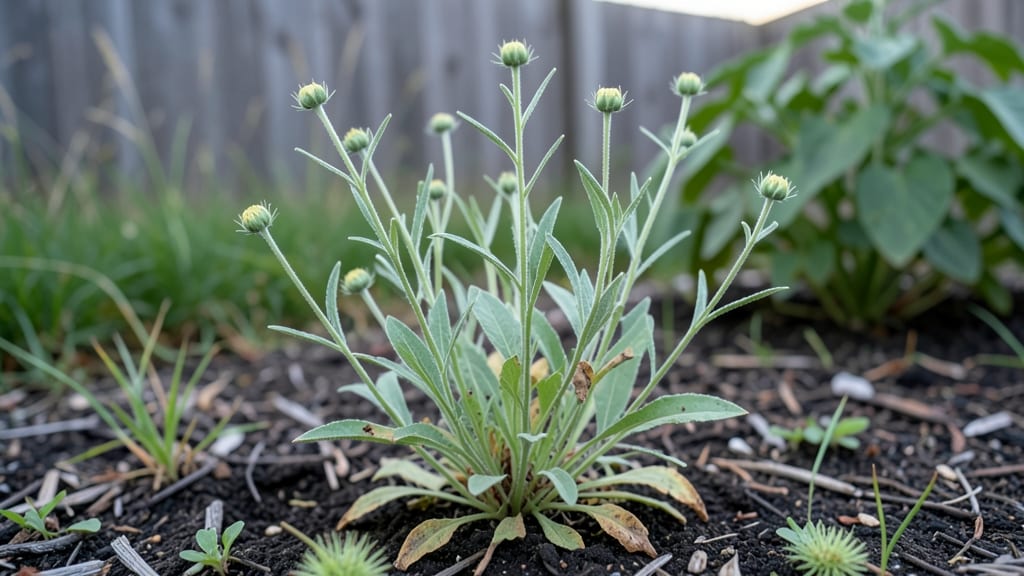
Mastering coreopsis seedling identification early prevents costly mistakes and ensures your garden thrives with the right plants—just look for those first leaves. 🌱 I’ve pulled up dozens of seedlings that looked promising but turned out to be weeds or misidentified plants, so I learned the hard way: don’t trust just the size or color.
Healthy coreopsis seedlings grow about 1-2 inches tall before their true leaves emerge, with the first pair often slightly smaller than the ones that follow. Look for a deep green hue and a slightly waxy texture—anything yellowish or spotted signals trouble.
Common look-alikes include black-eyed Susan seedlings, which have broader leaves and a more robust stem early on, or even dandelions with their jagged-edged leaves.
Once you spot these traits, you’ll know exactly which seedlings to nurture for vibrant blooms by midsummer. The right identification means stronger plants, fewer weeds, and a garden that bursts with cheerful yellow and pink flowers from early summer through fall.
Let’s break down the visual clues so you never second-guess a seedling again.
This guide works for both garden beds and containers, whether you’re starting from seed indoors or direct-sowing in well-drained soil. The same rules apply whether you’re in Zone 5 or 9—just adjust your timing for transplanting based on your last frost date.
Here’s how to tell them apart at a glance.
Misidentifying Seedlings Naturally
Coreopsis seedlings can be surprisingly tricky to identify, especially for beginners. The confusion often stems from natural variations in growth patterns, leaf shapes, and environmental influences. Understanding these factors will help you distinguish true Coreopsis seedlings from look-alikes like Bidens or Zinnia—or even misidentified weeds.
Below, we break down the key reasons why seedling identification goes wrong, so you can spot the red flags (or green ones!) early.
Coreopsis seedlings share leaf structures with many other plants, leading to mix-ups. Their first true leaves are often lance-shaped to oval with toothed or slightly serrated edges, but this description fits dozens of wildflowers. The confusion arises because:
- Bidens (e.g., Bidens frondosa): These seedlings mimic Coreopsis with similar leaf shapes but grow faster and develop hairy stems early on. Bidens also produce spiky seed heads that Coreopsis lacks.
- Zinnia elegans seedlings: Their early leaves can look almost identical, but Zinnia seedlings typically have a slightly more rounded tip and grow in a rosette pattern that’s denser than Coreopsis.
- Weeds like Ragweed or Dandelion: Both have lobed or jagged leaves, but their seedlings lack the fine hairs or distinct veining of Coreopsis.
Actionable tip: Wait until the second set of true leaves emerges—Coreopsis seedlings develop deeply lobed or pinnate leaves (resembling tiny ferns) by this stage, while imposters often retain simpler shapes. 🔍
Coreopsis seedlings are sensitive to temperature, moisture, and light conditions, which can distort their natural growth patterns. Here’s how:
| Factor | Effect on Seedling | How to Spot It |
|---|---|---|
| Cold Snaps (<60°F) | Slows leaf expansion, causing stunted, dark green leaves that look unhealthy. | Leaves may appear thicker and waxy; growth halts until warmth returns. |
| Overwatering | Leads to yellowing (chlorosis) or mushy stems, mimicking disease. | Check soil moisture—Coreopsis prefers well-draining soil. Overwatered seedlings may also develop fungal spots. |
| Low Light | Causes elongated, pale stems (etiolation) and smaller leaves. | Seedlings stretch toward light sources; leaves may turn purplish-red if severely light-deprived. |
Pro tip: If your seedlings look "off," replicate their ideal conditions: full sun (6+ hours/day), moist but not soggy soil, and temperatures above 65°F. Use a grow light if natural light is limited. ✨
Not all odd-looking Coreopsis seedlings are misidentified—they might be under attack. Pests and pathogens can alter leaf shape, color, and growth rate, making them resemble unrelated plants. Common culprits include:
- Aphids or Spider Mites:
- Cause curled, discolored leaves (yellow or white patches).
- Leaves may appear sticky or webbed.
- Solution: Spray with neem oil or introduce ladybugs.
- Fungal Leaf Spot (e.g., Alternaria):
- Creates dark brown spots with yellow halos on leaves.
- Severely infected seedlings may wilt or drop leaves prematurely.
- Solution: Remove affected seedlings and water at soil level (avoid overhead spraying).
- Root Rot (Phytophthora):
- Leads to blackened, mushy stems and slow growth.
- Often confused with Bidens seedlings due to stunted appearance.
- Solution: Use sterile potting mix and ensure pots have drainage holes.
Key takeaway: If seedlings show unusual patterns (spots, holes, or deformities), inspect the undersides of leaves and soil moisture first. Healthy Coreopsis seedlings should have smooth, vibrant green leaves with no signs of pests. 🛡️
By recognizing these natural and environmental factors, you’ll avoid mislabeling Coreopsis seedlings—and give them the best chance to thrive. Next, we’ll cover how to confirm their identity using leaf and stem markers. 🌿
Quick Fixes for Seedling Confusion
If you’re staring at a cluster of young plants and wondering, "Is this a coreopsis or something else?"—don’t panic! With the right approach, you can quickly confirm your seedling’s identity and give it the care it needs.
Below, we’ll tackle the most common causes of misidentification and provide practical, step-by-step solutions to set you straight.
Cause: Coreopsis seedlings can resemble other wildflowers or weeds (like black-eyed Susans or tickseed) in their early stages, especially if leaves are small or damaged.
How to Fix It:
- 🌱 Compare Leaf Shapes
- Coreopsis: Look for lance-shaped or oblong leaves with toothed or slightly jagged edges. Younger leaves may be fuzzy or hairy.
- Black-eyed Susan: Leaves are broader with smooth edges and a more rounded tip.
- Weeds (e.g., chickweed): Leaves are rounder, softer, and often clustered in a rosette.
- 🌿 Check the Growth Pattern
- Coreopsis seedlings grow upright and bushy from the start. If your plant is sprawling or has a single stem with alternating leaves, it’s likely not coreopsis.
- 📸 Take a Close-Up Photo
- Use your phone to snap a magnified shot of the leaves and stems. Compare it to a coreopsis seedling reference image for clarity.
💡 Prevention Tip:
- Label seedlings immediately after planting with small stakes or biodegradable tags. Include the plant name and date to avoid future mix-ups.
Cause: If your coreopsis seedlings are tiny, yellowing, or failing to sprout, it could be due to poor soil, over/under-watering, or disease.
How to Fix It:
- 💧 Reassess Watering
- Overwatering? Soil should be moist but not soggy. Let the top inch dry out between waterings.
- Underwatering? Coreopsis prefers well-draining soil. If the soil is hard, gently loosen it around the seedling.
- 🌿 Improve Soil Conditions
- Coreopsis thrives in sandy or loamy soil with good drainage. Amend heavy clay soil with compost or perlite.
- pH Check: Aim for 6.0–7.5. Test your soil with a kit or send a sample to a local extension office.
- 🌞 Ensure Proper Light
- Seedlings need full sun (6+ hours/day). If indoors or in shade, move them to a south-facing window or grow light.
🔥 Pro Tip:
- Fertilize lightly with a balanced 10-10-10 fertilizer (half-strength) if growth stalls after 3–4 weeks. Over-fertilizing can burn young roots!
Cause: Chewed leaves, spots, or wilting could mean aphids, spider mites, or fungal issues (like powdery mildew).
How to Fix It:
- 🐜 Identify the Problem
- Aphids/Mites: Tiny bugs on undersides of leaves or webbing.
- Fungal Spots: White powder (mildew) or brown/yellow patches.
- 🚿 Treat Gently - Pests: Spray with neem oil (mix 1 tsp with 1 quart water) or insecticidal soap.
Repeat every 5–7 days. - Fungus: Improve airflow by thinning seedlings and spray with baking soda solution (1 tsp baking soda + 1 quart water + a drop of dish soap).
- 🌡️ Prevent Future Issues
- Water at the base (avoid wetting leaves) to reduce fungal risk.
- Rotate plants if growing in containers to prevent soil-borne diseases.
✨ Prevention Tip:
- Start with disease-resistant varieties like Coreopsis verticillata (‘Moonbeam’) if pests are a recurring problem.
Cause: Coreopsis seedlings may not bloom immediately (sometimes taking 60–90 days to flower), leading to frustration.
How to Fix It:
- 🌼 Be Patient
- First-year seedlings focus on root and leaf growth. Flowers appear in year two if conditions are right.
- 🌿 Encourage Blooming
- Deadhead spent flowers to prompt more blooms.
- Fertilize in early spring with low-nitrogen, high-phosphorus (e.g., 5-10-10) to boost flowering.
- 🔍 Check for False Starts
- If your plant has no buds after 3 months, it might be a non-flowering variety (like some ornamental grasses mistaken for coreopsis).
🎯 Quick Test:
- Pinch back the top set of leaves when the seedling has 4–6 true leaves. This encourages bushier growth and earlier blooms.
If you’ve exhausted other options and need a definitive ID, carefully dig up one seedling and: 1. Examine the root system (coreopsis has fibrous, shallow roots).
- Check for a taproot (if present, it’s likely a weed like dandelion).
- Compare to a mature coreopsis plant (if you have one nearby).
⚠️ Warning: Only do this if you’re 100% ready to replant or discard the seedling. Coreopsis roots are fragile!
Use this quick reference before giving up:
| Feature | Coreopsis Seedling | Not Coreopsis |
|---|---|---|
| Leaf Shape | Lance-shaped, toothed edges | Round, smooth, or lobed |
| Growth Habit | Bushy, upright | Sprawling or single-stemmed |
| Stem Hair | Often fuzzy | Usually smooth |
| First Flowers | Yellow/orange (after 2+ months) | White, purple, or no flowers |
🌟 Ready to ID with Confidence? Now that you’ve got the tools, grab your magnifying glass (or phone camera) and put those seedlings to the test! Most misidentifications are just a closer look away. 🔍💡
Frequently asked questions
How do I tell the difference between coreopsis seedlings and black-eyed Susan seedlings?
Coreopsis seedlings have lance-shaped leaves with slightly jagged edges, while black-eyed Susan seedlings grow broader leaves with smoother, more rounded tips. Coreopsis also develops a bushier growth habit early, whereas black-eyed Susan seedlings often stretch taller with a single dominant stem.
What should I do if my coreopsis seedlings look yellow or wilted?
Yellowing or wilting usually signals overwatering or poor drainage. Let the soil dry slightly between waterings and ensure your pots have drainage holes. If the issue persists, check for root rot by gently lifting the seedling—healthy roots should be white, not brown or mushy.
Can I transplant coreopsis seedlings too early?
Yes, but wait until seedlings have 4-6 true leaves and are at least 2-3 inches tall. Harden them off for 7-10 days before moving them outdoors to prevent shock. Transplant on a cloudy day or in late afternoon to reduce stress.
Why aren't my coreopsis seedlings growing after 3 weeks?
Slow growth often means they need more light or nutrients. Move seedlings to a sunny window or under grow lights (12-16 hours/day). If soil appears depleted, use a balanced fertilizer (5-5-5) at half-strength to avoid burning young roots.
How do I store coreopsis seeds for next year?
Collect mature seeds when they turn brown and dry, then store them in a paper envelope or airtight container with a silica gel packet in a cool, dark place. Seeds remain viable for 2-3 years if kept dry (below 40% humidity). Label clearly with the variety and harvest date!