
Container Gardens
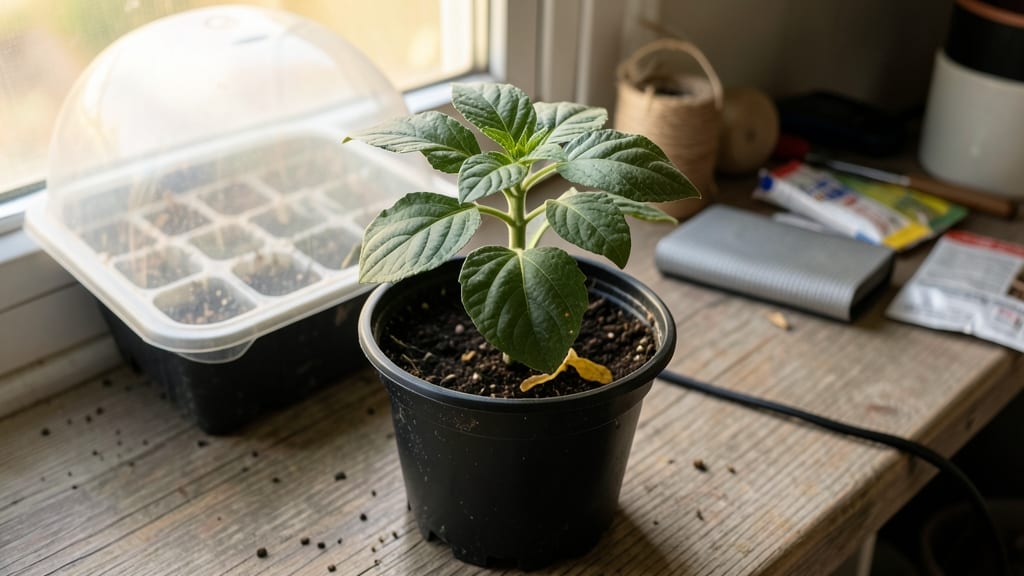
Starting jalapeno seeds indoors gives you a head start on a fiery harvest that store-bought plants can't match. I've grown enough peppers to know the difference—plants started from seed produce fruit weeks earlier and handle transplant shock like pros. The secret lies in timing, light, and patience, not fancy equipment.
You'll need basic supplies: seed-starting mix, small pots or trays, a heat mat (optional but helpful), and a grow light or sunny window. Plant seeds about ¼ inch deep, keep the soil warm (70-80°F), and maintain consistent moisture without drowning them.
Most people overwater, which leads to damping-off—a fungal problem that kills seedlings before they even sprout.
In just 30 days, you'll have sturdy seedlings ready to transplant outdoors after the last frost. The first true leaves appear in about 10 days, and with proper light (14-16 hours daily), they grow compact and strong.
No leggy, weak stems that flop over—these plants stand tall and ready for the garden.
This method works for any pepper variety, from mild bell peppers to extra-hot habaneros. The key is consistency: steady warmth, bright light, and gentle care. Once you master indoor starts, you'll never buy pepper plants again—your garden will be packed with homegrown heat year after year.
📚 In This Guide
- What you need
- Instructions
- Tips and common mistakes
- Wrapping up and next steps
What you need
- ● Jalapeño seeds: 10–20 seeds (or more if you’re sharing with friends!)
- ● Seed-starting trays or small pots: 4–6" deep, with drainage holes (biodegradable pots are eco-friendly!)
- ● Seed-starting mix: Lightweight, sterile mix (avoid garden soil—it’s too dense!)
- ● Grow lights or sunny windowsill: 6–8 hours of light daily (south-facing windows work if natural light is strong).
- ○ Heat mat (optional but helpful): 70–85°F range to speed up germination.
- ● Spray bottle: For gentle watering (no drowning seeds!).
- ● Plastic wrap or humidity dome: To keep moisture locked in until germination.
- ● Fertilizer (balanced, water-soluble): 10-10-10 or 5-5-5 (dilute to half-strength!).
- ● pH testing kit (ideal range: 6.0–6.8 for peppers).
- ● Vermiculite or perlite (to improve drainage).
- ● Plant labels (to track varieties if testing multiple types!).
- ● Fungicide (like neem oil) to prevent damping-off.
Step-by-Step instructions for starting jalapeno seeds indoors
Here's how to get your fiery peppers off to a strong start—ready for transplant in just 30 days.
Prepare Containers and Seed Starting Mix
Fill small, clean containers—like 2-3 inch deep cells—with a fresh, sterile seed starting mix. I avoid garden soil because it's too dense and can harbor diseases that will weaken your seedlings. Moisten the mix until it holds together when squeezed but doesn't leave puddles. Press it down lightly so the surface is firm but still loose enough for roots to push through.
Jalapenos need room to grow, so plan for at least 4 seedlings if you want a full harvest. I like to label each container right away with the variety and date—once those first leaves appear, identical pots look exactly the same!
Plant Seeds at the Right Depth and Temperature
Plant 2-3 seeds per container at a depth of about ¼ inch—just twice the diameter of the seed. Jalapenos germinate best in warm soil, so place the containers on a seedling heat mat set to 75-85°F. Without this warmth, germination can take 3-4 weeks instead of the usual 7-10 days. Cover the containers loosely with plastic wrap or a humidity dome to trap warmth and moisture.
Don't overcrowd the seeds—planting too many in one spot leads to weak, tangled roots later. Once they sprout, you'll thin to the strongest seedling per container, but starting with 2-3 gives you backup if one fails.
Provide Light and Prevent Leggy Growth
The moment those first green shoots appear, move them under a grow light or to the brightest window you have. Jalapeno seedlings need 14-16 hours of light daily—a south-facing window rarely provides enough intensity. Without sufficient light, stems stretch thin and weak, a condition called "leggy" growth that's nearly impossible to correct.
Keep the light 2-4 inches above the seedlings and raise it as they grow. You'll know your setup is right when the seedlings have thick stems and deep green leaves spaced closely together. If they start bending toward the light, your setup isn't bright enough.
Water and Fertilize for Strong Starts
Water gently from the bottom to avoid disturbing the seedlings. Let the top inch of soil dry out between waterings—overwatering causes damping-off, a fungal disease that collapses stems overnight. Once the first true leaves appear (not the initial seed leaves), switch to a balanced liquid fertilizer diluted to half strength every 10-14 days to encourage steady growth.
Jalapenos are heavy feeders, but too much fertilizer too soon burns tender roots. I always wait until after the first true leaves appear before introducing any nutrients. Watch the soil surface—it should look slightly damp but not wet after watering.
Harden Off Before Transplanting
Two weeks before your last frost date, begin hardening off your seedlings by placing them outside in a sheltered spot for 1-2 hours the first day. Gradually increase their outdoor time by 1 hour daily until they can handle a full day outside. This slow adjustment prevents shock and ensures they'll thrive in the garden.
Jalapenos hate cold soil, so wait until the soil temperature reaches at least 60°F before transplanting. You'll know they're ready when they've developed 5-6 true leaves and the stems are sturdy enough to support themselves. Transplant on an overcast afternoon to reduce stress.
Tips & tricks for starting jalapeno seeds indoors
Getting your jalapeno seedlings off to the right start makes all the difference in your harvest. These practical tips will help you avoid common pitfalls and give your fiery peppers the best chance to thrive.
Temperature Matters: The 75-85°F soil temperature range in Step 2 is crucial for quick germination. If your home is cooler, consider using a seedling heat mat—it can cut germination time from 3-4 weeks to just 7-10 days. I've seen seedlings sprout within 5 days when using this method. For extra warmth, place containers on top of the refrigerator or near a sunny window during the day, then move them to the heat mat at night.
Lighting Strategy: In Step 3, the 14-16 hours of daily light is non-negotiable for preventing leggy growth. If you don't have a grow light, position seedlings within 2 inches of a south-facing window during the brightest part of the day. Rotate containers daily so all sides get equal light exposure. I've found that supplementing with a simple LED desk lamp for 4-6 hours in the evening can make a noticeable difference in stem thickness.
Watering Wisdom: The bottom-watering technique in Step 4 is a game-changer. Fill a shallow tray with water and let the containers sit for 10-15 minutes until moisture wicks up through the drainage holes. This prevents disturbing delicate seedlings while ensuring even moisture. I've noticed that seedlings watered this way develop stronger root systems and are less prone to damping-off disease. Always check the top inch of soil before watering—it should feel dry but not completely bone-dry.
Harden Off Gradually: The 1-2 hour outdoor exposure in Step 5 should be gradual. Start with just 30 minutes on the first day if your seedlings look particularly delicate. Watch for wilting or yellowing leaves—these are signs they're not ready for longer exposure. I've had the best success hardening off during morning hours when temperatures are cooler. If you notice leaves curling or plants looking stressed, move them back indoors immediately and try again the next day with slightly longer exposure.
Pro Tips for Starting Jalapeno Seeds Indoors
- Getting your jalapeno seedlings off to the right start makes all the difference in your harvest.
- Temperature Matters: The 75-85°F soil temperature range in Step 2 is crucial for quick germination.
- Lighting Strategy: In Step 3, the 14-16 hours of daily light is non-negotiable for preventing leggy growth.
Frequently asked questions
Got questions about starting jalapeño seeds indoors? You’re not alone! Here are answers to the most common concerns—so you can grow fiery peppers like a pro.
When is the best time to start jalapeño seeds indoors?
Start seeds 8–10 weeks before your last frost date—typically in early spring (March–April for most climates). Jalapeños need warmth to germinate, so use a seedling heat mat if your home is chilly. Pro tip: If you’re in a warm zone (Zone 9+), you can direct-sow seeds outdoors in late winter!
How warm does it need to be for jalapeño seeds to germinate?
Jalapeño seeds thrive at 75–85°F (24–29°C). If your home is cooler, use a seedling heat mat or place trays on top of your fridge. Without warmth, germination can take 3+ weeks—or fail entirely. Try a DIY heat source like a grow light with a built-in heat lamp!
What if my jalapeño seedlings look leggy or weak?
Leggy seedlings mean they’re stretching for light! Move them closer to a bright grow light (10–12 inches away) or a sunny south-facing window. Rotate trays daily for even growth. If they’re already tall, transplant deeper to encourage root development. A cheap LED clip light can save your seedlings!
Can I start jalapeños from store-bought seeds or scraps?
Store-bought jalapeños won’t grow true to seed—opt for seeds from a reputable supplier (like Baker Creek). For scraps, save seeds from organic, heirloom, or homegrown jalapeños (let them dry completely first). Store-bought seeds may carry chemicals that inhibit germination.
Why aren’t my jalapeño seeds sprouting?
Check these first:
- Moisture: Keep soil consistently damp (not soggy). Mist seeds lightly or use a spray bottle.
- Temperature: Seeds need warmth—use a heat mat or move trays to a warmer spot (like near a sunny window).
- Age: Old seeds (over 1 year) germinate poorly. Test viability by soaking in water—floaters are likely dead.
- Light: Seeds don’t need light to sprout, but they do need warmth and moisture.
Wrapping up and next steps
Starting jalapeño seeds indoors is a rewarding journey that sets you up for a fiery harvest—and you’ve got this! 🌱 With just a little patience and the right conditions, you’ll be transplanting sturdy seedlings in no time.
Now that you’re armed with the know-how, take the next step: grab those seeds, set up your grow space, and watch your spicy dreams take root—literally!
Ready to level up your container garden? Sign up for our newsletter for more tips on nurturing your peppers from seed to sizzling success!