Flowers
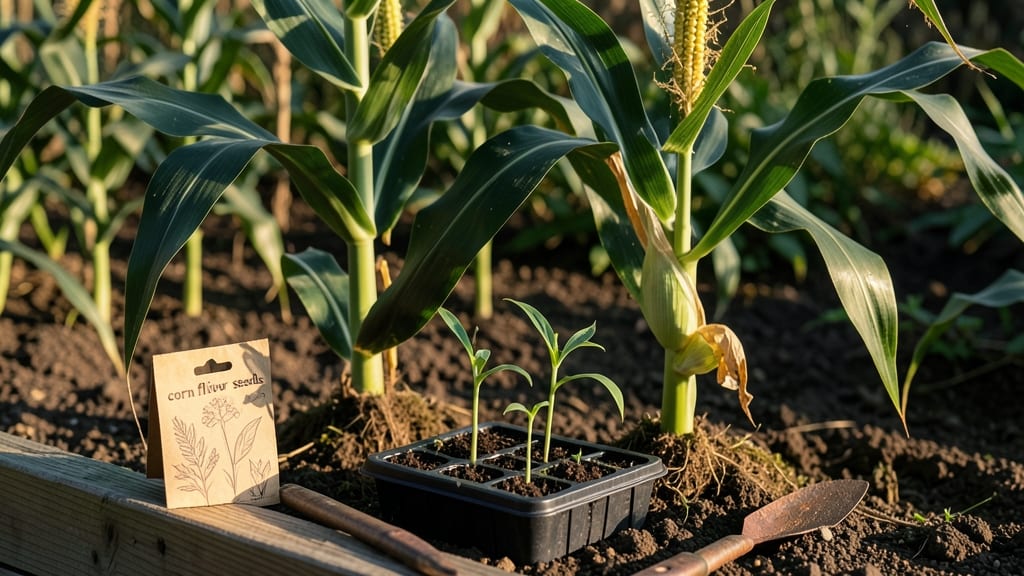
Growing cornflower seeds from scratch is easier than you think, and those vibrant blue blooms will make your garden the envy of the neighborhood.
I planted my first batch last spring and couldn’t believe how quickly they transformed from tiny seeds to towering stems of cheerful flowers—all in just six weeks. The key is timing, soil, and a little patience, but the results are worth every minute.
You’ll need well-draining soil, a sunny spot with at least six hours of light daily, and a spot in your garden where they can spread out—cornflowers grow 2 to 3 feet tall and need room to sway in the breeze.
Scatter the seeds about a quarter-inch deep after the last frost, and keep the soil lightly moist until they sprout. They’re tough little seeds, so don’t stress if germination takes a couple of weeks.
Once they’re up, you’ll be rewarded with bold blue, pink, or purple blooms that attract bees and butterflies while adding a wild, romantic touch to borders or cutting gardens. The flowers also dry beautifully for arrangements, so you’ll get double the enjoyment from these easygoing plants.
Just watch for slugs and aphids—their only real challenges—and you’ll have a showstopper garden all summer long.
Perfect for beginners, cottage gardens, or pollinator-friendly spaces, cornflowers are one of those plants that make gardening feel effortless. Grab a packet of seeds, find a sunny patch, and let nature do the rest—you’ll be snipping blooms for bouquets in no time.
📚 In This Guide
- What you need
- Instructions
- Tips and common mistakes
- Wrapping up and next steps
What you need
- ● Cornflower seeds – 1 packet (approx. 1,000 seeds) (choose heirloom or organic for best results).
- ● Well-draining potting mix or garden soil – 2-3 gallons (add perlite or sand if your soil is heavy).
- ● Containers or garden bed – 6-inch pots (if starting indoors) or a sunny garden spot (6+ hours of light daily).
- ● Watering can or spray bottle – For gentle, even moisture.
- ○ Fertilizer (optional but helpful) – Balanced 10-10-10 or compost (mix 1 tbsp per gallon of soil).
- ● Trowel or small shovel – For planting seeds at ¼-inch depth.
- ● Plant labels – To track varieties (if mixing seeds).
- ○ Glove (optional) – Protects hands from prickly seed casings.
- ● Grow lights (indoor starters) – 12-16 hours/day if natural light is limited.
Instructions for growing cornflower seeds to stunning blue blooms
Here’s how to cultivate vibrant cornflowers from seed with minimal fuss—just follow these straightforward steps.
Prepare the Soil and Plant the Seeds
Start by selecting a sunny spot in your garden where cornflowers will receive at least 6 hours of direct sunlight daily. Cornflowers thrive in well-draining soil, so if your garden soil is heavy clay, mix in 2-3 inches of coarse sand or perlite to improve drainage. This prevents root rot, which can quickly kill seedlings.
Scatter the cornflower seeds directly into the prepared soil, spacing them about 12-18 inches apart. Since cornflowers self-seed easily, you don’t need to worry about thinning unless you prefer larger blooms. Lightly cover the seeds with ¼ inch of soil—just enough to shield them from birds but not bury them too deeply. Press the soil gently around the seeds to ensure good contact.
Water Gently and Maintain Moisture
Water the soil immediately after planting to settle it around the seeds. Keep the soil consistently moist but never soggy—cornflower seeds need steady moisture to germinate, but standing water will suffocate them. Aim to water once daily with about ¼ inch of water until the seeds sprout, which typically takes 7-14 days. You’ll know germination has started when tiny green shoots push through the soil.
Once the seedlings are 2 inches tall, reduce watering to every other day, allowing the top inch of soil to dry slightly between waterings. This encourages stronger root development. Avoid overhead watering after germination to prevent fungal diseases like damping-off, which causes seedlings to collapse suddenly.
Provide Sun and Space for Growth
Cornflowers grow best in full sun, so ensure they receive plenty of light as they mature. If you notice seedlings stretching toward the light or developing weak, leggy stems, they’re not getting enough sunlight. In such cases, transplant them to a sunnier location or supplement with a grow light for 12-14 hours daily until they’re established.
As the plants grow, they’ll develop into sturdy stems with feathery foliage. Once the seedlings reach 4-6 inches tall, you can thin them if needed, leaving the strongest plants spaced 12-18 inches apart. This gives each plant enough room to develop full, vibrant blooms without competing for nutrients.
Fertilize Lightly for Strong Blooms
Cornflowers are low-maintenance plants that don’t require heavy feeding, but a light application of balanced fertilizer (10-10-10) in early spring will encourage lush growth. Mix 1 tablespoon of fertilizer per 10 square feet of soil and water it in thoroughly. Avoid over-fertilizing, as this can lead to excessive foliage at the expense of flowers.
Watch for signs of nutrient deficiency, such as yellowing leaves or stunted growth. If you notice these, apply a half-strength liquid fertilizer every 4-6 weeks during the growing season. Cornflowers are drought-tolerant once established, but consistent moisture—especially during dry spells—will help produce the boldest blue blooms.
Enjoy the Blooms and Encourage Self-Seeding
Cornflowers typically bloom 8-10 weeks after planting, producing striking blue, pink, or white flowers that attract pollinators. Once the blooms fade, you can leave the seed heads on the plants—they’ll self-seed naturally, creating a beautiful display year after year. If you prefer to collect seeds for next season, wait until the seed heads turn brown and dry, then gently harvest them.
To prolong the blooming season, deadhead spent flowers by snipping them off just above the first set of leaves. This redirects the plant’s energy into producing more blooms rather than seeds. With minimal care, your cornflowers will reward you with weeks of cheerful color and effortless beauty.
Tips & tricks for perfect cornflower blooms
Here's what I've learned from years of growing these cheerful blue beauties—simple tricks that make all the difference between a few sad stems and a garden full of vibrant blooms.
The Sunlight Secret: Those 6 hours of daily sunlight are non-negotiable, but here's the thing: morning sun is more valuable than afternoon sun. If you're in a hot climate, position your cornflowers where they get afternoon shade to prevent wilting. I've seen plants in full afternoon sun turn crispy by midday, even with regular watering.
Germination Timing: The 7-14 day germination window can feel like forever, but don't give up at day 10! I've had seeds sprout on day 15 when conditions were cooler. Keep the soil consistently moist (not soggy) during this period—use a spray bottle for gentle watering to avoid disturbing the tiny seeds. A clear plastic dome or even a cut-open plastic bottle over the seed bed helps maintain humidity.
Thinning Strategy: When your seedlings reach 4-6 inches tall, thinning might feel cruel, but it's actually kinder to your plants. Instead of pulling, use clean scissors to snip at soil level—this prevents disturbing roots of nearby plants. I save the thinned seedlings to transplant elsewhere or share with friends. The 12-18 inch spacing gives each plant room to develop its signature sturdy stems and vibrant blooms.
Fertilizer Wisdom: That 1 tablespoon per 10 square feet of 10-10-10 fertilizer is perfect for early growth, but here's my secret: I mix it with compost first. This creates a gentle fertilizer-compost blend that's less likely to burn tender roots. And remember, less is more—cornflowers are drought-tolerant once established, so they don't need heavy feeding to thrive.
Pro Tips for Corn Flower Seeds
- Here's what I've learned from years of growing these cheerful blue beauties—simple tricks that make all the difference between a few sad stems and a garden full of vibrant blooms.
- The Sunlight Secret: Those 6 hours of daily sunlight are non-negotiable, but here's the thing: morning sun is more valuable than afternoon sun.
- Germination Timing: The 7-14 day germination window can feel like forever, but don't give up at day 10!
Frequently asked questions
Got questions about growing cornflower seeds? You’re not alone—these vibrant blooms are easy but have a few quirks! Here are answers to the most common queries to help you cultivate stunning blue (or pink, purple, or white!) flowers with confidence.
How deep should I plant cornflower seeds?
Cornflower seeds are tiny but mighty—plant them just ¼ inch deep in well-draining soil. Press them lightly into the earth (no need to bury deep!) and keep the soil moist until sprouts appear in 7–14 days. Over-planting? No problem—they self-thin naturally as they grow!
When is the best time to plant cornflower seeds?
Cornflowers thrive in cool weather and are not heat-tolerant. For spring blooms, sow seeds 4–6 weeks before your last frost date. For a fall display, plant seeds in late summer (6–8 weeks before the first frost). They’ll reward you with bold blooms in just 6–8 weeks!
Can I grow cornflower seeds indoors first?
Yes! Start seeds indoors 4–6 weeks before transplanting if your climate is too hot or cold. Use small pots with seed-starting mix, keep them under grow lights (or a sunny window), and transplant outdoors once seedlings have 2–3 true leaves. Harden them off for 7–10 days before moving to the garden.
Why aren’t my cornflower seeds sprouting?
Cornflower seeds need consistent moisture and warmth to germinate. Troubleshoot with these tips:
- Check soil moisture: Keep it damp (not soggy) until sprouts appear.
- Verify depth: Too deep? Dig up and replant shallowly.
- Test temperature: Ideal germination temp is 60–70°F. Use a heat mat if needed.
- Fresh seeds: Old seeds (over 2 years) may fail. Try new ones!
Are cornflower seeds annuals or perennials?
Cornflowers (Centaurea cyanus) are annuals, meaning they complete their life cycle in one growing season. However, they self-seed generously, so you’ll often find volunteers popping up the next year! For a guaranteed return, let some seed heads dry on the stems before they fall.
What can I do with cornflower seeds if I don’t want to grow them?
Cornflower seeds are edible and versatile! Try these ideas:
- Sprinkle them on salads, yogurt, or baked goods for a nutty, crunchy bite.
- Use them as a natural blue food coloring (steep in hot water for a vibrant hue).
- Add them to homemade granola or trail mix for a pop of color and flavor.
- Save seeds for bird feed—finches and sparrows love them!
Pro tip: Store seeds in a cool, dry place for up to 2 years to preserve their freshness!
Wrapping up and next steps
Growing cornflower seeds is a rewarding journey that brings vibrant blue blooms to your garden in just six weeks—perfect for beginners and seasoned gardeners alike! 🌸 With the right soil, sunlight, and a little patience, you’ll enjoy cheerful, pollinator-friendly flowers that thrive with minimal fuss.
Whether you’re adding them to borders, cutting gardens, or containers, these hardy plants are a must-try for any sunny spot.
Ready to plant your seeds? Grab your supplies, pick a sunny patch, and get growing—your garden’s next burst of color is just a handful of seeds away! 🌱 Start here for your step-by-step guide.