
Flowers
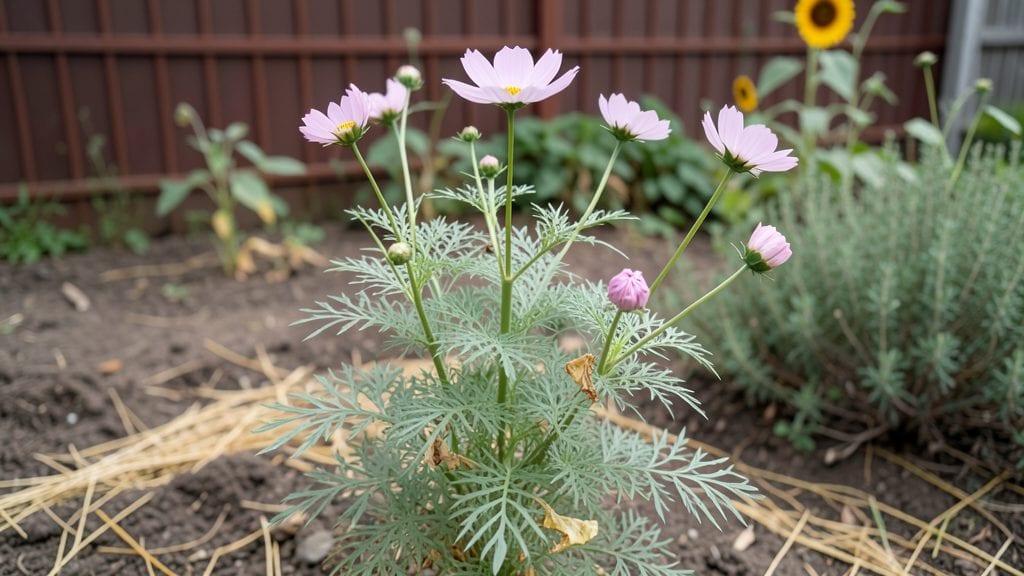
Cosmos wildflower seeds deliver shockingly bold blooms in just 60 days—no cold stratification needed. 🌻 I planted mine last spring and was stunned when those feathery pink plumes started popping up like clockwork, turning my sunny border into a magnet for butterflies.
The secret lies in their effortless nature: they thrive in poor soil, ignore drought, and self-seed like crazy if you let them.
You’ll need a sunny spot with at least 6 hours of direct light, loose soil (even clay works if amended), and a packet of seeds that cost less than a coffee. Plant them ¼-inch deep after your last frost, and water lightly until sprouts appear—usually within 7-14 days.
No fancy prep, no fuss, and no waiting months for results. These are the kind of flowers that make beginners feel like pros.
By mid-summer, you’ll have 3-4 foot tall stems packed with blooms that last until frost. The flowers cut beautifully for bouquets too, but the real magic is watching hummingbirds and bees go crazy for them.
They’re practically maintenance-free after they establish, and the more you grow, the more they spread—imagine that pink explosion every year without replanting.
Works in zones 3-11, from coastal gardens to desert landscapes, and even in containers if you keep them pruned. The only "mistake" you can make is planting too many—but trust me, you won’t regret it. Let’s get those seeds in the ground and watch the show begin.
📚 In This Guide
- What you need
- Instructions
- Tips and common mistakes
- Wrapping up and next steps
What you need
- ● Cosmos wildflower seeds: 1 packet (approx. 1,000 seeds) – Choose a variety like Cosmos bipinnatus or Cosmos sulphureus for bold blooms.
- ● Well-draining potting soil: 10-15 lbs – Opt for a mix labeled for flowers or seed starting.
- ● Containers or seed trays: 2-4 (5-6" deep) – Use biodegradable pots or trays with drainage holes.
- ● Watering can or spray bottle: 1 – For gentle hydration without disturbing seeds.
- ○ Grow lights (optional but helpful): 1-2 – If starting indoors, use full-spectrum LED lights 12-16 hours/day.
- ● Gloves: 1 pair – Protect your hands from soil and sharp seed packets.
- ● Small hand trowel: 1 – For gently pressing seeds into soil.
- ● Sunny location (outdoors): 6+ hours of direct sunlight daily – Cosmos thrives in full sun!
- ● Fertilizer (balanced, 10-10-10): 1 small bottle – Dilute to half-strength for seedlings.
- ○ Mulch (optional): Straw or shredded leaves – Helps retain moisture and suppress weeds.
Step-by-Step instructions for growing cosmos wildflowers from seed
Here's how I grow cosmos from seed—no cold treatment needed, just direct sowing and patience.
🌱 Step 1: Prepare Soil and Plant Seeds Directly Outdoors
Cosmos thrive in well-draining soil, so work in 2-3 inches of compost into the top layer of your garden bed. This ensures nutrients and prevents waterlogging, which can rot delicate seeds. I like to rake the area smooth afterward—cosmos seeds are tiny, and a rough surface can bury them too deep.
Sow seeds ¼ inch deep, spacing them 12-18 inches apart for full-size plants. If you're planting in rows, keep them 18-24 inches apart to allow airflow and prevent fungal diseases. A light sprinkle of seed-starting mix over the seeds keeps them in place without smothering them.
💧 Step 2: Water Gently and Maintain Consistent Moisture
Keep the soil evenly moist but not soggy until germination, which typically occurs in 7-14 days. I use a gentle spray bottle for the first few days to avoid dislodging seeds. Once seedlings emerge, switch to a watering can with a fine rose to direct water at the base rather than the leaves.
Here's the thing—cosmos seeds often germinate unevenly. Don't be tempted to water heavily after planting; you'll only wash them deeper into the soil. Instead, check soil moisture daily by pressing a finger ½ inch deep. If it feels dry, water lightly again.
☀️ Step 3: Provide Full Sun and Thin Seedlings
Cosmos need 6-8 hours of direct sunlight daily to produce their signature bold blooms. If you're planting in partial shade, expect fewer flowers and leggier stems. Once seedlings reach 2-3 inches tall and have their first true leaves, thin them to the strongest plant per spot.
Use sharp scissors to snip unwanted seedlings at soil level—this prevents disturbing roots of remaining plants. I always keep a few extra seedlings in case of losses from pests or weather. Space remaining plants 12-18 inches apart to give them room to develop sturdy stems.
✂️ Step 4: Deadhead and Fertilize for Continuous Blooms
When flowers begin to fade, pinch off spent blooms just above the next set of leaves. This encourages the plant to produce more flowers instead of setting seed. Cosmos are self-cleaning, but regular deadheading extends the blooming season by 4-6 weeks.
Feed plants with a balanced, water-soluble fertilizer (10-10-10) every 4-6 weeks during the growing season. I mix it at half-strength to avoid burning tender roots. Stop fertilizing in late summer to allow plants to harden off for winter.
🌿 Step 5: Enjoy Bold Blooms and Collect Seeds for Next Year
Cosmos typically reach their full height of 2-4 feet by 60-70 days after sowing. Their daisy-like flowers attract pollinators and add vibrant color to any garden. Let a few spent blooms remain on the plant to develop seeds—cosmos self-seed readily, so you'll have volunteers popping up next year.
If you want to save seeds for planting, allow the flower heads to dry completely on the plant. Then, rub them gently between your fingers to release the seeds. Store them in a cool, dry place until next spring—no stratification needed, just direct sowing again!
Tips & tricks for perfect cosmos wildflower growth
These simple strategies will help you grow vibrant cosmos blooms with minimal fuss—no cold treatment required.
Soil Preparation Secret: The 2-3 inches of compost I recommend isn't just about nutrients—it's about creating the perfect airy environment for those delicate seeds. After mixing, press down lightly with your hand to create a firm, smooth surface. This prevents seeds from sinking deeper than the ideal ¼-inch depth during watering. I've found that adding a thin layer of vermiculite over the seeds helps maintain that perfect moisture level without compacting the soil.
Germination Timing: Those 7-14 days for germination can feel like an eternity, but patience pays off. Mark your planting date and track the days—uneven germination is normal, so don't be tempted to water heavily if you don't see immediate results. I keep a small notebook by my garden bench to record when I plant and when the first sprouts appear. This helps me adjust my expectations and watering schedule for future plantings.
Thinning Technique: When you're thinning seedlings to 12-18 inches apart in Step 3, use sharp scissors instead of pulling by hand. This prevents disturbing the roots of your remaining plants. I always thin on a cloudy day to reduce stress on the plants—sunlight can be intense for newly thinned seedlings. The extra seedlings you remove can actually be transplanted to other areas of your garden if you're feeling generous!
Fertilizer Strategy: The 4-6 week fertilization schedule works best when you start after the plants have established themselves—around 3-4 weeks after sowing. I mix my 10-10-10 fertilizer at half-strength because cosmos are light feeders. Too much nitrogen can actually reduce flowering and lead to leggy growth. Stop fertilizing by late summer to let the plants develop strong stems for winter.
Pro Tips for Cosmos Wildflower Seeds
- These simple strategies will help you grow vibrant cosmos blooms with minimal fuss—no cold treatment required.
- Soil Preparation Secret: The 2-3 inches of compost I recommend isn't just about nutrients—it's about creating the perfect airy environment for those delicate seeds.
- Germination Timing: Those 7-14 days for germination can feel like an eternity, but patience pays off.
Frequently asked questions
Got questions about growing cosmos wildflower seeds?
Here are the answers to the most common ones—so you can dive right into your colorful, low-maintenance garden!
Do cosmos wildflower seeds need cold stratification?
Nope! One of the best things about cosmos seeds is that they don’t require cold stratification. Simply scatter them in warm soil (at least 60°F) after the last frost, and they’ll sprout in about 7–14 days. Easy peasy!
How long does it take for cosmos wildflowers to bloom?
You’ll see vibrant blooms in just 60–70 days after planting! Cosmos are fast growers, making them perfect for quick color in your garden. For even faster results, start seeds indoors 4–6 weeks before the last frost.
Can I grow cosmos wildflowers in containers?
Cosmos thrive in containers as long as the pot is at least 12 inches deep and has good drainage. Use well-draining soil and place them in a sunny spot. Just be prepared to deadhead spent blooms to encourage more flowers.
Are cosmos wildflowers good for pollinators?
Yes! Cosmos are a pollinator magnet, attracting bees, butterflies, and beneficial insects. Their open flowers make it easy for pollinators to access nectar, helping boost your garden’s biodiversity.
What if my cosmos seeds don’t sprout?
Don’t worry—cosmos seeds can be finicky. Try these fixes:
- Ensure soil stays consistently moist (not soggy).
- Plant seeds ¼ inch deep—they need light to germinate.
- Test soil temperature (ideal: 60–70°F).
- Try a fresh batch of seeds if germination fails after 2–3 weeks.
Wrapping up and next steps
Transforming your space into a vibrant cosmos wildflower haven is easier—and faster—than you think! 🌸 With just a few simple steps and cosmos wildflower seeds, you can enjoy bold blooms in under two months, no cold stratification required.
Whether you're a seasoned gardener or a beginner, these cheerful flowers bring joy and color to any outdoor (or indoor!) setting.
Ready to dive in? Start by gathering your supplies, then plant those seeds today—your future garden is waiting! 🌱 For extra inspiration, explore companion plants or creative container ideas to take your flower bed to the next level.