
Diseases
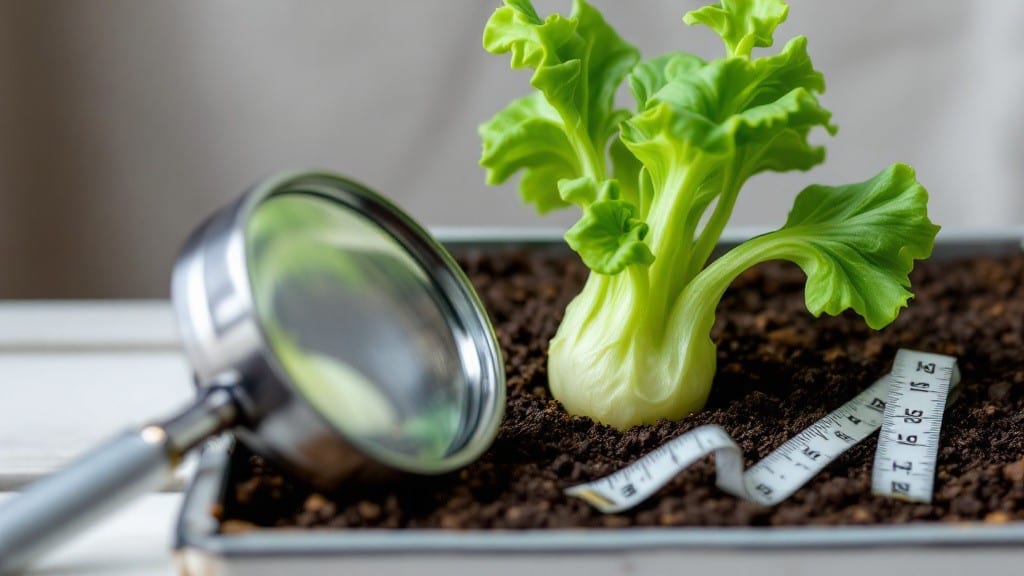
Deformed seedling leaves don’t mean your gardening dreams are over—just that your little plants are sending SOS signals. 🌱 I’ve nursed back more than my share of wonky seedlings, and the fixes are often simpler than you’d think.
The key is spotting the right clues: Are the leaves curled, yellowed, or stunted? That tells you exactly what’s wrong and how to make it right.
Most problems come down to three culprits: too much or too little water, nutrient imbalances, or pests hiding in plain sight. I once thought my seedlings were doomed until I realized they just needed a better light source—no fancy tools required.
The good news? Once you identify the issue, the solutions are straightforward: adjust your watering, tweak your soil mix, or introduce some beneficial insects.
You’ll have them growing straight and strong within days, with leaves that look like the seed packet promised. The secret is acting fast—before the damage spreads.
Think of it as a quick checkup for your seedlings, and soon you’ll be harvesting healthy plants that actually look like they belong in a garden.
Works for everything from tomatoes to herbs, whether you’re growing indoors under lights or outside in the sun. Let’s get those seedlings back on track—your future harvest depends on it.
Root Causes Behind Twisted Seedlings
When your seedlings sprout with misshapen, curled, or stunted leaves, it’s often a cry for help from the plant itself. Understanding the why behind these deformities is the first step toward correction. Below, we break down the most common culprits—each with a scientific twist and actionable fixes.
Seedlings are delicate thermometers—push them beyond their ideal range, and their leaves will literally warp in protest. Most seedlings thrive in temperatures between 65–75°F (18–24°C) during the day and 55–65°F (13–18°C) at night. Here’s how extremes disrupt growth:
- Heat Stress (Above 85°F / 29°C):
- High temps denature proteins in leaf cells, causing them to lose structure and curl.
- Transpiration (water loss) outpaces absorption, leading to wilting and crinkling.
- 💡 Pro Tip: Use shade cloth (30–50%) or move seedlings to a cooler spot (e.g., under a shelf).
- Cold Shock (Below 50°F / 10°C):
- Chilly soil slows nutrient uptake, while cold air causes cell membrane damage, leading to yellowing (chlorosis) and puckering.
- Some plants (like tomatoes) may develop “cold-induced leaf curl” due to disrupted hormone balance.
- 🌡️ Fix: Use heat mats for bottom warmth or row covers to trap heat.
🔍 Test It: Place your hand near seedlings—if it feels too hot (like a sauna) or too cold (like a fridge), adjust immediately.
Water is the lifeblood of seedlings, but imbalance is a top deformity trigger. Both drought stress and overwatering mess with cell turgor pressure—the force that keeps leaves plump and straight.
| Problem | How It Happens | Leaf Deformities | Fix It Now |
|---|---|---|---|
| Underwatering |
|
|
|
| Overwatering |
|
|
|
Seedlings need a precise nutrient cocktail, and even slight imbalances can warp their leaves. The two biggest offenders?
- Nitrogen (N) Deficiency:
- Leaves turn yellow (chlorotic) but stay curled—this is old leaf necrosis spreading upward.
- Why? Nitrogen is critical for chlorophyll production and cell expansion.
- 💡 Fix: Use a balanced fertilizer (10-10-10 or 5-5-5) diluted to half-strength.
- Calcium (Ca) or Boron (B) Deficiency:
- Leaves develop “cup-shaped” or “hook” deformities due to weak cell walls.
- Calcium is the “glue” for cell membranes; boron helps cell division.
- 📊 Test Soil: Aim for 1–2 ppm boron and 0.5–1.5 meq Ca per 100g soil.
- 🌱 Quick Fix: Spray leaves with calcium nitrate solution (1 tsp/gallon) or use Epsom salt (magnesium sulfate) for related issues.
- Salt Burn (Over-Fertilizing):
- Excess salts (from tap water, synthetic fertilizers) osmotic stress, preventing roots from absorbing water.
- Leaves brown at tips and curl downward.
- ✨ Flush Soil: Water heavily for 10–15 mins to leach salts, then use rainwater or distilled water.
Tiny invaders can physically damage leaves or inject toxins, leading to deformities that mimic nutrient issues. Watch for:
- Thrips or Spider M
Fixing Crooked Seedling Leaves
Now that you’ve pinpointed the culprit behind your seedlings’ misshapen leaves, it’s time to take action! The right fixes depend on the root cause—whether it’s environmental stress, pests, or poor care.
Below, we break down practical, step-by-step solutions for each common issue, plus prevention tips to keep your seedlings thriving. Let’s get those leaves back on track!
If your seedlings show yellowing, curling, or stunted growth due to poor nutrition, here’s how to correct it:
🔥 Step 1: Test Your Soil
Before adding anything, check your soil’s health with a simple pH test kit (available at garden centers). Most seedlings prefer a pH of 6.0–7.0.
If your soil is too acidic or alkaline, amend it gradually: - Lower pH (too acidic): Mix in limestone or wood ash (follow package instructions). - Raise pH (too alkaline): Add sulfur or peat moss to acidify.
🍳 Step 2: Fertilize Correctly
Use a balanced, water-soluble fertilizer (like 10-10-10) diluted to half-strength to avoid burning tender roots.
- For nitrogen deficiency (pale leaves): Apply a fish emulsion or compost tea every 2 weeks.
- For phosphorus deficiency (dark, purple stems): Use a bone meal or rock phosphate supplement.
- For potassium deficiency (weak, yellow edges): Try a banana peel tea (soak peels in water for 2 days, then use as fertilizer).
👨🍳 Step 3: Improve Soil Structure
If soil is compacted or lacks organic matter, mix in:
- Coco coir or peat moss (for moisture retention)
- Perlite or vermiculite (for aeration)
- Worm castings (for natural nutrients)
Overheating, cold drafts, or insufficient light can warp leaves. Here’s how to restore ideal growing conditions:
✨ Step 1: Adjust Light Exposure
- Too little light? Move seedlings closer to a grow light (12–16 hours/day) or place them in a south-facing window.
- Too much direct sun? Provide partial shade with a sheer curtain or shade cloth (especially for delicate seedlings like lettuce or basil).
- 💡 Pro Tip: Rotate trays quarter-turn daily to prevent lopsided growth toward the light.
🔥 Step 2: Regulate Temperature
- Ideal range: 65–75°F (18–24°C) during the day, 55–60°F (13–16°C) at night.
- Too cold? Use a seedling heat mat (set to 70–75°F) or move pots to a warmer spot.
- Too hot? Place trays on a cool, reflective surface (like a white tray) or mist leaves lightly to lower temperature.
🌡️ Step 3: Prevent Heat Stress
- Avoid plastic domes if humidity is too high (can cause fungal issues).
- Use a small fan on low speed to improve air circulation and prevent overheating.
If insects or pathogens are to blame, act fast to save your seedlings:
🐛 Step 1: Identify the Pest
- Aphids, spider mites, or whiteflies? Spray with neem oil solution (1 tsp neem oil + 1 tsp mild soap per quart of water).
- Fungal issues (powdery mildew, damping-off)? Remove affected plants immediately and treat with baking soda spray (1 tsp baking soda + 1 quart water + a drop of soap).
- Slugs or snails? Set up beer traps (bury a cup filled with beer) or use diatomaceous earth around the base.
🚫 Step 2: Isolate & Clean
- Quarantine infected seedlings away from healthy ones.
- Sterilize tools with rubbing alcohol between uses.
- Replace contaminated soil if damping-off is suspected.
🌿 Step 3: Strengthen Seedlings
- Boost immunity with compost tea or seaweed extract (spray foliage weekly).
- Avoid overhead watering to prevent fungal spores from spreading.
Once your seedlings recover, keep them thriving with these long-term strategies:
- 💡 Start with quality soil: Use a sterile seed-starting mix (not garden soil) to prevent disease.
- 🌱 Thin seedlings properly: Overcrowding stresses plants—space them 1–2 inches apart until transplanting.
- 💧 Water wisely: Keep soil consistently moist but not soggy (bottom-watering trays help).
- 🔄 Rotate crops: If reusing containers, sterilize them with bleach or baking soda between uses.
- 🌿 Harden off gradually: Before transplanting, acclimate seedlings to outdoor conditions over 7–10 days (start with 1 hour outside, increasing daily).
If your seedlings are still struggling after 2 weeks of care, consider:
- Repotting into larger containers (if roots are crowded).
- Transplanting outdoors (if weather permits and night temps stay above 50°F/10°C).
- Starting fresh with new seeds if damage is severe.
With the right adjustments, your seedlings will bounce back stronger—and those once-deformed leaves will soon be lush, green, and thriving! 🌿💚
Frequently asked questions
Why do my seedlings develop curled or twisted leaves?
Curled or twisted leaves usually signal stress from environmental factors like temperature extremes, poor watering habits, or nutrient imbalances. For example, heat above 85°F (29°C) causes protein damage, while cold below 50°F (10°C) disrupts cell membranes. Check soil moisture too—leaves curl upward when underwatered and downward when overwatered.
Can deformed seedling leaves recover if I fix the problem?
Yes! Young seedlings are resilient. If you address the issue early (within 3–5 days), new leaves will grow straight. Focus on correcting the root cause—whether it’s adjusting light, fixing watering, or adding nutrients. Severely damaged leaves won’t recover, but the plant will produce healthy new growth.
How do I tell if my seedlings have a nutrient deficiency vs. pest damage?
Nutrient deficiencies cause uniform deformities (e.g., yellowing between veins for magnesium deficiency or cup-shaped leaves for calcium deficiency). Pest damage, however, shows as irregular holes, webbing, or sticky residue. Check the undersides of leaves—pests like aphids or spider mites leave tiny eggs or webs.
Is it safe to transplant seedlings with deformed leaves?
Only if the deformities are mild and the roots are healthy. Avoid transplanting if leaves show signs of disease (like damping-off) or severe pest damage. Harden off seedlings first by exposing them to outdoor conditions for 7–10 days before transplanting, even if their leaves aren’t perfect.
What’s the fastest way to fix overwatered seedlings with crinkled leaves?
Stop watering immediately and let the soil dry to 50% moisture (test with your finger—if cool and damp, wait). Repot into a mix with 20% perlite or vermiculite for better drainage. Mist leaves lightly with water to rehydrate them without soggy soil. Recovery usually takes 3–5 days if roots aren’t rotted.