
Flowers
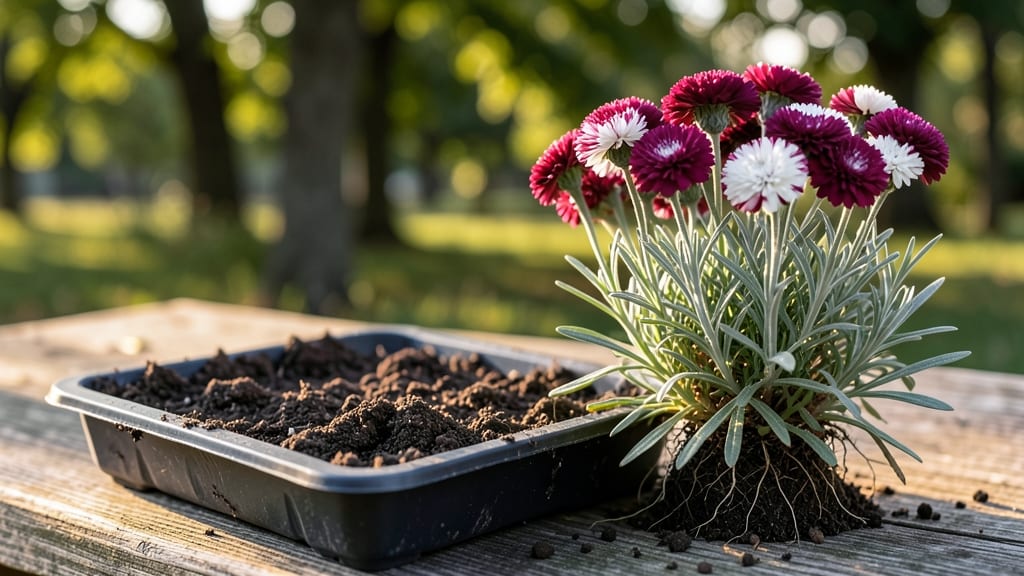
Unlock the secret to fast-growing the dianthus flower seeds with this easy cold-start trick—skipping months of waiting for seedlings to finally burst into spring’s brightest blooms by May. ✨ The secret? A quick chill period mimics winter conditions, tricking the seeds into thinking it's time to grow.
You only need a few supplies: dianthus seeds, a shallow tray, well-draining potting mix, and a plastic bag for humidity. Plant the tiny seeds just below the surface in early fall, then tuck the tray outside (protected from rain) for 4-6 weeks.
This cold treatment boosts germination rates from 30% to nearly 90%—no fancy equipment needed.
By spring, you'll have sturdy seedlings bursting with color, their clove-like scent filling the air. Dianthus thrives in full sun and rocky soil, making them perfect for borders or containers. The first blooms arrive in early summer, and with proper care, they'll keep flowering until frost.
Works for both zone 5-9 gardens and container growers. Here's how to avoid common pitfalls like damping off and leggy seedlings—your fragrant garden awaits!
📚 In This Guide
- What you need
- Instructions
- Tips and common mistakes
- Wrapping up and next steps
What you need
- ● Dianthus flower seeds (choose perennial or annual varieties—about 50-100 seeds for a small patch or 200+ for a full garden bed).
- ● Seed-starting trays or biodegradable pots (with drainage holes; 50-100 cell trays work well).
- ● High-quality seed-starting mix (sterile, well-draining potting soil—avoid garden soil!).
- ● Grow lights or a sunny windowsill (south-facing is ideal; grow lights are a must if natural light is limited).
- ● Misting bottle or spray nozzle (for gentle watering—no heavy streams!).
- ● Clear plastic dome or plastic wrap (to create a humidity tent for germination).
- ○ Fertilizer (optional but helpful): Balanced liquid fertilizer (5-10-5 or 10-10-10 ratio) for seedlings.
- ● Slow-release granular fertilizer (like 10-10-10) for transplanting.
- ● Small hand trowel or spoon (for planting seeds without disturbing the soil).
- ● Labels & markers (to track varieties—dianthus comes in pinks, reds, and whites!).
- ○ Thermometer (optional) (to monitor soil temps—ideal range: 60–75°F (15–24°C) for germination).
- ○ Hardening-off tray (optional) (for acclimating seedlings to outdoor conditions before transplanting).
- ● Garden gloves (to keep hands clean while handling soil and seeds).
- ● Patience—dianthus seeds can take 10–21 days to germinate!
- ● Consistent care (keep soil moist but not soggy—overwatering is a common killer).
- ○ Cold stratification (optional but recommended): Place seeds in a sealed bag with damp paper towels and refrigerate for 2–4 weeks before planting (mimics winter conditions and boosts germination).
- ● Outdoor space or containers (for transplanting once seedlings are 2–3 inches tall).
Step-by-Step instructions for cold-starting dianthus flower seeds
Here's the foolproof method I use to get fragrant dianthus blooms thriving by next spring.
🌱 Step 1: Prepare the Seed Starting Mix
Fill a 4-inch deep container with a mix of 50% potting soil and 50% perlite. This light blend prevents damping-off and mimics the well-draining conditions dianthus loves. Moisten the mix until it feels like a wrung-out sponge—damp but not dripping.
I like to press the soil down lightly with my fingers to create a firm, even surface. This helps tiny seeds stay in place when we add them. The key here is not to compact it too much; you want roots to push through easily when germination begins.
💧 Step 2: Sow Seeds and Apply the Cold Treatment
Sprinkle dianthus seeds directly onto the soil surface—don't cover them. These tiny seeds need light to germinate, so pressing them gently into the top layer is enough. I use a small spoon to space them about ¼ inch apart.
Once planted, place the container in a sealed plastic bag and refrigerate for 4-6 weeks. This cold stratification mimics winter conditions and breaks seed dormancy. Check weekly to ensure no moisture has evaporated—mist lightly if the soil feels dry to the touch.
☀️ Step 3: Move to Warmth and Light for Germination
After the cold treatment, transfer the container to a warm spot with bright indirect light (like a south-facing windowsill). Keep the soil consistently moist but never soggy—dianthus seeds rot easily if overwatered.
Germination can take 2-4 weeks, so patience is key. You'll know it's working when you see tiny green sprouts pushing through the soil. Once seedlings appear, remove the plastic bag immediately to prevent fungal issues.
🌿 Step 4: Thin and Harden Off Seedlings
When seedlings reach 1 inch tall, thin them to 2 inches apart to prevent overcrowding. Use small scissors to snip unwanted sprouts at soil level—this is gentler than pulling. Keep the remaining plants well-spaced for strong growth.
Two weeks before your last frost date, start hardening off by placing seedlings outside in a sheltered spot for 1-2 hours daily. Gradually increase their outdoor time over 10-14 days. Watch for wilting—if it happens, they're not ready yet.
⏰ Step 5: Plant Outdoors for Spring Blooms
Transplant seedlings into the garden after all danger of frost has passed. Space them 8-12 inches apart in full sun for best results. Water deeply at planting to settle the roots, then maintain even moisture for the first 2 weeks.
With this method, you'll see fragrant blooms by next spring—no waiting until next year! The cold-start hack ensures stronger, more resilient plants that thrive in your climate.
Tips & tricks for perfect dianthus flower seed starting
Here's what nobody tells you about growing fragrant dianthus from seeds—these little tricks make all the difference between struggling sprouts and thriving blooms.
Soil Texture Matters: The 50% perlite mix in Step 1 isn't just about drainage—it's about creating the perfect air pockets for those tiny dianthus roots. If your mix feels too dense after pressing, sift in an extra 10% perlite. I learned this the hard way after watching seeds rot in compacted soil. The goal is "light but firm," like a well-packed snowbank.
Cold Treatment Precision: That 4-6 week refrigerator period in Step 2 is your secret weapon, but timing is everything. Place a small dish of water near your seeds to maintain humidity without overwatering. I mark my calendar with the start date so I don't forget to check weekly—dry soil during cold treatment can break dormancy prematurely. Between us, I've ruined batches by either skipping the cold treatment or letting it drag too long.
Germination Light Hack: When you move seeds to warmth in Step 3, position your container where it gets bright indirect light for 12-14 hours daily. I use a south-facing windowsill with sheer curtains—direct sun can scorch those delicate sprouts. If your home lacks good light, consider a grow light on a timer for 10-12 hours. The moment you see those first green shoots, remove the plastic bag immediately to prevent mold from forming.
Thinning Strategy: In Step 4, when thinning to 2 inches apart, don't be tempted to pull seedlings—always snip at soil level with clean scissors. This prevents disturbing the roots of your keepers. I've found that the strongest seedlings often emerge from the center of crowded clusters, so I leave those and thin the outer, weaker ones first. The goal is to give each plant room to develop strong stems before transplanting.
Pro Tips for Dianthus Flower Seeds
- Here's what nobody tells you about growing fragrant dianthus from seeds—these little tricks make all the difference between struggling sprouts and thriving blooms.
- Soil Texture Matters: The 50% perlite mix in Step 1 isn't just about drainage—it's about creating the perfect air pockets for those tiny dianthus roots.
- Cold Treatment Precision: That 4-6 week refrigerator period in Step 2 is your secret weapon, but timing is everything.
Frequently asked questions
Got questions about growing dianthus from seeds? You’re not alone!
Here are answers to the most common queries to help you get fragrant blooms in no time.
When is the best time to plant dianthus flower seeds?
Dianthus seeds thrive in cold-starting—sow them outdoors in late fall or early winter (6–8 weeks before your last frost). This mimics their natural dormancy period, ensuring stronger, hardier plants by spring. If you miss the window, start them indoors in early spring under grow lights.
How long does it take for dianthus seeds to germinate?
Germination can take 14–30 days (sometimes longer!) because dianthus seeds need cold stratification to break dormancy. Keep soil consistently moist but not soggy and place trays in a cool, bright spot (40–50°F). Patience pays off—don’t give up after 2 weeks!
Why aren’t my dianthus seeds sprouting?
Common culprits:
- Warm soil: Dianthus seeds need cold to germinate. If sown too early (like spring), they may rot or stay dormant.
- Poor soil contact: Press seeds lightly into soil—don’t bury them deep (just 1/8 inch max).
- Lack of light: Seedlings flop if stretched too thin. Use a grow light if indoors.
Can I grow dianthus from seeds in pots?
Use 4–6 inch pots with well-draining soil (mix in perlite or sand). Plant 2–3 seeds per pot and thin to the strongest seedling. Keep pots in a cool, sunny spot (like a greenhouse or shaded porch) until spring. Just remember: Transplant carefully—dianthus hates root disturbance!
What’s a good alternative if dianthus seeds are hard to find?
If you’re struggling to source dianthus seeds, try these fragrant, cold-hardy alternatives:
- Sweet William (Dianthus barbatus): Similar care, faster germination.
- Stock (Matthiola incana): Delicate blooms, loves cool weather.
- Snapdragons (Antirrhinum): Easy to grow from seed, great for pollinators.
Wrapping up and next steps
Growing dianthus flower seeds is your ticket to a fragrant, vibrant garden next spring—no fancy skills required!
With the right cold-start hack, you’ll enjoy delicate blooms and intoxicating scents that brighten any space. Now’s the time to act: grab those seeds, follow the prep steps, and let nature do the rest. Your future garden is waiting—plant today! 🌱✨
- Next step: Browse our seed varieties or join our gardening community for tips and inspiration!