
Flowers
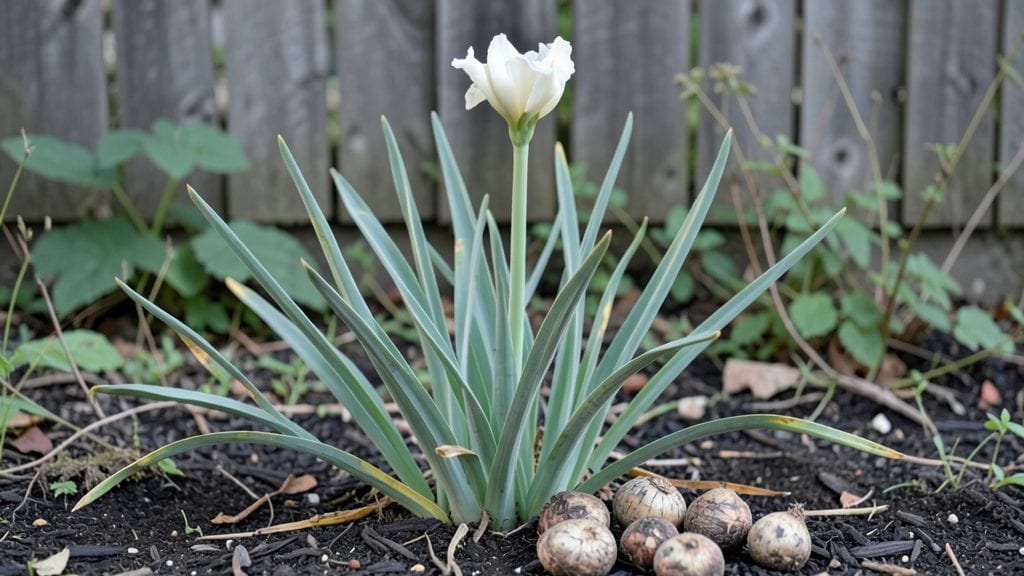
Growing fragrant tuberose blooms from tiny seeds feels like unlocking a secret garden. 🌿 I've nurtured these delicate flowers from seed to full bloom, and the intoxicating nighttime fragrance makes every step worth it.
These seeds need patience—three months to their first blossoms—but the journey is surprisingly straightforward once you know the tricks.
The secret starts with warm soil and consistent moisture, since tuberose seeds demand warmth to germinate. You'll need a sunny spot, well-draining soil mix, and a little extra care during those first few weeks when tiny sprouts appear.
Most gardeners struggle with slow germination, but with the right setup, you'll see those first green shoots within 2-4 weeks.
By summer, you'll be rewarded with clusters of waxy white flowers that perfume the evening air. The plants grow tall and sturdy, perfect for borders or even container growing in warmer climates. Just be ready to stake them—they can get top-heavy with blooms.
Works best in zones 8-11, but even cooler climates can grow them as annuals with proper winter protection. The fragrance alone makes these worth growing, but they're also deer-resistant and attract pollinators. Let's get those seeds sprouting!
📚 In This Guide
- What you need
- Instructions
- Tips and common mistakes
- Wrapping up and next steps
What you need
- ● Tuberose flower seeds: 5–10 seeds (choose organic or heirloom varieties for best fragrance).
- ● Seed-starting trays or small pots: 2–4 (3–4 inches deep, with drainage holes).
- ● Well-draining potting mix: 1–2 bags (lightweight, sterile mix with perlite or coconut coir).
- ● Plastic wrap or humidity dome: 1 (to retain moisture during germination).
- ● Grow lights or sunny windowsill: Access to 6–8 hours of indirect sunlight daily (or a grow light for 12–14 hours/day).
- ● Watering can with a fine rose nozzle: 1 (to avoid disturbing seeds).
- ● Fertilizer (balanced, water-soluble): 1 bottle (e.g., 10-10-10 or organic fish emulsion, diluted to half-strength).
- ● Spray bottle: For gentle watering during germination.
- ○ Heat mat (optional): 1 (70–75°F range) to speed up germination.
- ● Pruning shears: 1 (for trimming dead leaves or stems later).
- ● Support stakes or trellis: 2–3 (tuberoses grow tall; 4–5 feet tall stakes work best).
- ● Mulch (straw or shredded leaves): 1 bag (to retain soil moisture in outdoor beds).
- ○ pH testing kit (optional): 1 (ideal soil pH: 6.0–7.0).
Step-by-Step instructions for growing tuberose flowers from seeds
Transform those delicate tuberose seeds into fragrant, moonlit blooms with this precise, season-tested method.
🌱 Step 1: Prepare Seeds and Germinate in Warmth
Tuberose seeds are tiny and slow to germinate, so start by soaking them in lukewarm water for 24 hours to soften the outer coating. This step is critical—the seeds won't sprout without it. After soaking, place them between two damp paper towels in a sealed plastic bag. Keep the bag in a warm spot, like on top of your fridge, where temperatures stay around 75-80°F.
Check daily for sprouting, which can take 3-6 weeks. You'll see the first sign when a tiny white root emerges from the seed. Once roots reach about ½ inch, they're ready for planting. Here's the thing—don't rush this stage. Patience now ensures stronger seedlings later.
🪴 Step 2: Plant Sprouted Seeds in Light, Well-Draining Mix
Fill small 2-inch pots with a mix of 50% potting soil and 50% perlite to create a fast-draining medium tuberoses love. Plant each seedling ¼ inch deep, spacing them 1 inch apart in the pot. Gently press the soil around the roots to secure them without compacting.
Place the pots under a grow light set to provide 12-14 hours of light daily. Tuberose seedlings are sensitive to cold drafts, so keep them in a warm, humid environment. You'll notice the first true leaves appear in 4-6 weeks—these will be long and narrow, unlike the initial cotyledons.
☀️ Step 3: Transplant and Provide Bright, Indirect Light
When seedlings develop 3-4 true leaves and reach 3 inches tall, transplant them into 4-inch pots with the same soil mix. Space them 2 inches apart this time. Move them to a location with bright, indirect light—direct sun at this stage can scorch tender leaves. A south-facing window with sheer curtains works perfectly.
Water the soil until it's evenly moist but never soggy. You'll know it's right when excess water drains freely from the bottom. Let the top ½ inch of soil dry between waterings. This prevents root rot, which is a common killer of young tuberoses. Fertilize lightly with a balanced liquid fertilizer diluted to half-strength every 4 weeks.
✂️ Step 4: Encourage Blooming with Proper Care
Once plants reach 6-8 inches tall and have developed 6-8 true leaves, they're ready for their final 6-inch pot. Use the same soil mix and plant them 3 inches apart. From this point, they need full sun for at least 6 hours daily. If growing indoors, supplement with a grow light to maintain 14-16 hours of light.
Watch for flower spikes to emerge in 8-10 weeks after transplanting. These will be tall, slender stems with tightly packed buds. To encourage more blooms, pinch off any spent flowers immediately. You'll love the intoxicating fragrance that fills the air as the blooms open at night. Here's the secret: tuberoses thrive on neglect once established—water only when the top 1 inch of soil feels dry, and avoid fertilizing after mid-summer.
⏰ Step 5: Overwinter and Prepare for Next Season
After the first frost, tuberoses will go dormant. Cut back the foliage to 2 inches above the soil and reduce watering to once every 2-3 weeks. Keep the pots in a cool, dark place where temperatures stay between 40-50°F. In late winter, around February, resume watering and move the plants back to bright light to encourage new growth.
You'll see fresh leaves emerge in 4-6 weeks, signaling it's time to resume regular care. This cycle ensures your tuberoses return year after year, rewarding you with those signature fragrant blooms. Real talk: the first year is the hardest, but once you've got established plants, they're nearly foolproof.
Tips & tricks for perfect tuberose flower growth
Growing tuberose from seeds rewards patience with their signature night-blooming fragrance—but only if you follow these proven strategies that prevent common pitfalls.
Germination Secret: The 24-hour soak in lukewarm water is non-negotiable—it breaks the seed's tough outer shell that would otherwise block moisture. After soaking, keep the paper towel setup in a sealed bag to maintain consistent humidity. I've found that placing the bag on top of the fridge (where temps hover around 75-80°F) creates the ideal environment for those stubborn seeds to finally crack open.
Lighting Strategy: Those 12-14 hours of grow light during Step 2 are critical for preventing leggy seedlings. Position lights just 2-3 inches above the pots and use full-spectrum bulbs that mimic sunlight. If you notice seedlings stretching toward the light (a sign of etiolation), immediately reduce the distance or increase light intensity. Remember, tuberoses are tropical plants—they need bright conditions from day one.
Soil Science: The 50% perlite mix in Step 2 isn't just about drainage—it prevents the compacted soil that causes root rot. After transplanting to 4-inch pots, I recommend adding a thin layer of orchid bark on top of the soil mix. This creates an air gap that mimics tuberose's natural habitat while preventing fungal growth. The bark also helps maintain that crucial moisture balance without waterlogging.
Bloom Timing: Those 8-10 weeks until flower spikes appear can feel like an eternity, but proper care makes all the difference. When you see the first flower buds forming, increase humidity around the plant by placing the pot on a tray of pebbles with water. This creates the perfect conditions for those signature fragrant blooms to open at night—just like their wild counterparts.
Pro Tips for Tuberose Flower Seeds
- Growing tuberose from seeds rewards patience with their signature night-blooming fragrance—but only if you follow these proven strategies that prevent common pitfalls.
- Germination Secret: The 24-hour soak in lukewarm water is non-negotiable—it breaks the seed's tough outer shell that would otherwise block moisture.
- Lighting Strategy: Those 12-14 hours of grow light during Step 2 are critical for preventing leggy seedlings.
Frequently asked questions
Got questions about growing tuberose flower seeds? You’re not alone! Here are some of the most common queries—and their answers—to help you cultivate fragrant blooms with confidence.
How long does it take for tuberose seeds to germinate?
Tuberose seeds typically germinate in 10–21 days under ideal conditions: warm soil (70–80°F), consistent moisture, and indirect sunlight. Patience is key—delayed germination (up to 30 days) isn’t uncommon, especially in cooler climates. Use a heat mat if your home runs chilly!
Why aren’t my tuberose seeds sprouting?
Seeds might refuse to sprout due to cold soil, overwatering (which causes rot), or low humidity. Try these fixes:
- Warm the soil with a heating pad.
- Water lightly—keep soil damp, not soggy.
- Cover seeds with a plastic wrap to retain moisture.
Can I grow tuberose flowers from seeds faster than 3 months?
While tuberose flowers usually bloom in 3 months, you can speed up growth with these tricks:
- Start seeds indoors in late winter under grow lights.
- Use a seedling heat mat to jumpstart germination.
- Transplant seedlings to a sunny outdoor spot once they’re 3–4 inches tall.
Are tuberose seeds easy to grow for beginners?
Tuberose seeds are moderately easy but require attention to detail. Beginners should:
- Start with pre-soaked seeds (soak 12–24 hours in warm water).
- Use a light, well-draining potting mix (avoid heavy clay soil).
- Provide 6+ hours of sunlight daily (or grow lights).
What’s the best alternative if tuberose seeds don’t work?
If tuberose seeds prove tricky, try these fragrant, fast-growing alternatives:
- Sweet Alyssum – Blooms in 6–8 weeks, drought-tolerant.
- Night-Blooming Jasmine – Fragrant but slower (4–5 months).
- Marigolds – Hardy, pest-repelling, and bloom in 8–10 weeks.
- Tuberose bulbs – Skip seeds entirely and plant pre-grown bulbs for instant blooms.
Wrapping up and next steps
Growing tuberose flower seeds is a rewarding journey that transforms tiny seeds into fragrant blooms in just three months! 🌱 With the right soil, sunlight, and care, you’ll enjoy the sweet, intoxicating scent of these night-blooming beauties—perfect for gardens, perfumes, or even gifting.
Whether you're a beginner or seasoned gardener, these delicate flowers are a fantastic addition to your green space.
Ready to dive in? Start by gathering your supplies and follow the simple steps outlined above. Plant your seeds today, and soon you’ll be surrounded by the enchanting aroma of tuberoses—nature’s own perfume! 🌸✨