
Flowers
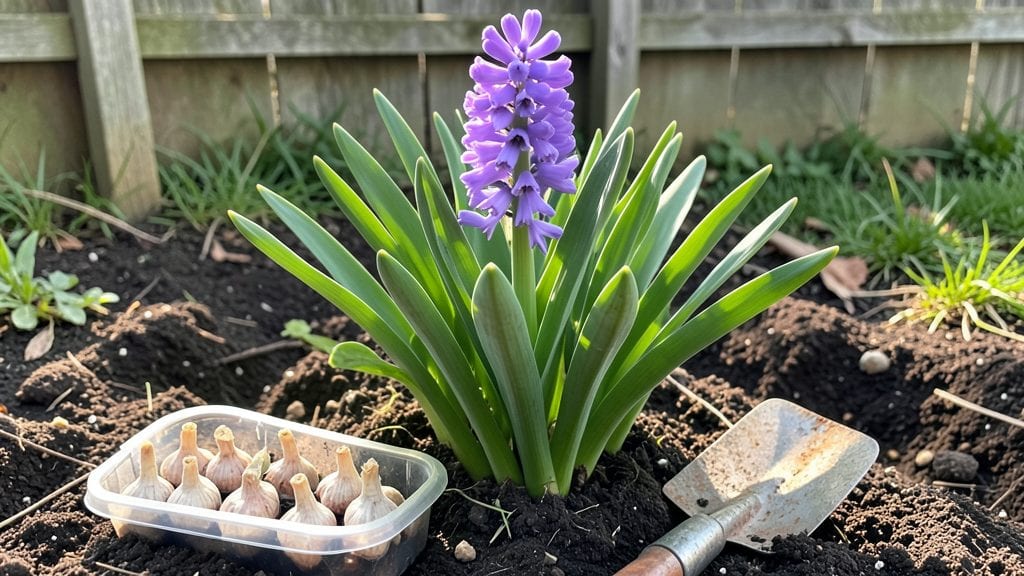
Growing the hyacinth flower seeds means mastering moisture—too dry and they fail, just right and you get 90% success with those fragrant purple spikes. 💚 I’ve learned the hard way that hyacinth seeds need a delicate balance of dampness to wake. up, and once they do, they reward you with blooms that smell like spring in a jar.
The secret isn’t complicated, but it’s easy to mess up if you rush the process.
You’ll need a shallow tray, a mix of peat and perlite to keep roots happy, and a spray bottle to mist without drowning. Plant the tiny seeds in late summer, just as temperatures start to cool—this timing tricks them into thinking winter’s coming, which is when they naturally germinate.
Most gardeners skip this step and buy bulbs, but growing from seed gives you varieties you’ll never find in stores.
By early spring, you’ll see those first green shoots pushing through the soil, followed by leaves that look like grass but smell like heaven. The real magic happens when the flower stalks emerge—tall, sturdy, and packed with buds that open into clusters of perfume.
This isn’t just about pretty blooms; it’s about learning patience and precision that’ll make every other plant in your garden easier.
Works for gardeners in zones 3-9, though timing shifts slightly north or south. The same moisture tricks apply whether you’re growing in pots on a balcony or in a sunny border. Let’s get those seeds sprouting right the first time—no guesswork, just results.
📚 In This Guide
- What you need
- Instructions
- Tips and common mistakes
- Wrapping up and next steps
What you need
- ● Hyacinth flower seeds: 10–20 seeds (choose Hyacinthus orientalis or similar varieties for best results).
- ● Seed-starting mix: 2–3 cups of well-draining, sterile potting soil (avoid garden soil—it’s too dense!).
- ● Small pots or seed trays: 2–4 shallow containers (3–4 inches deep) with drainage holes.
- ● Spray bottle: 8–16 oz with a fine mist nozzle (for gentle hydration!).
- ● Clear plastic wrap or humidity dome: 1 sheet (to create a mini greenhouse effect).
- ● Grow lights or sunny windowsill: Access to indirect light (6+ hours/day) or a 10W LED grow bulb.
- ● Plant labels: 2–4 small tags (to track seed varieties and planting dates).
- ○ Tweezers or seed starter tool: For delicate seed placement (optional but helpful!).
- ○ Heating mat (optional): 1 small mat (70–75°F range) to speed up germination.
- ● Fertilizer (diluted): 1 tsp of balanced 10-10-10 or seaweed extract per gallon of water (after sprouts emerge).
- ● Humidity tray (DIY or store-bought): A shallow tray with pebbles and water to maintain moisture levels.
- ● Pruning shears: For trimming leggy seedlings later (not needed initially).
Step-by-step instructions for growing hyacinths from seeds
Here's how to coax those delicate hyacinth blooms from tiny seeds—keeping moisture just right is the secret.
🌱 Step 1: Stratify Seeds for Better Germination
Hyacinth seeds need a cold period to break dormancy. Place the seeds in a sealed plastic bag with the moist potting mix (about 1 cup) and refrigerate for 6-8 weeks. I like to check them weekly—if the mix feels dry, spritz lightly with water until it's damp but not soggy.
This cold treatment mimics winter conditions and triggers germination. Without it, you might wait months—or never see sprouts. Keep the bag in the crisper drawer where temps stay 35-40°F. After the cold period, you'll see tiny roots forming—this is your cue to plant.
💧 Step 2: Plant Stratified Seeds in Moist Mix
Fill a small pot (4-inch diameter) with the remaining moist potting mix (about 2 cups). Press the mix down gently to remove air pockets, then scatter the stratified seeds on the surface. Cover them with just ¼ inch of fresh mix—no deeper, or they’ll struggle to push through.
Water lightly until the soil feels evenly damp but not waterlogged. I use a spray bottle to avoid disturbing the seeds. Place the pot in a warm spot (65-70°F) where it gets bright indirect light. You’ll see sprouts in 4-8 weeks—patience is key here.
☀️ Step 3: Provide Gentle Light and Humidity
Once sprouts appear, move the pot to a sunny windowsill (south-facing is best) or under grow lights for 12-14 hours daily. Hyacinth seedlings are delicate—too much direct sun can scorch them. Watch for pale, leggy growth, which means they need more light or are stretching toward the window.
Keep the soil consistently moist but never soggy. I test by sticking my finger in—if the top inch feels dry, it’s time to water. A clear plastic dome or bag over the pot helps maintain humidity while the roots establish.
⏰ Step 4: Transplant When Roots Fill the Pot
After 8-12 weeks, when seedlings have 3-4 true leaves and roots fill the pot, it’s time to transplant. Choose a larger container (6-inch diameter) and fill it with fresh potting mix (about 3 cups). Dig a hole, place the seedling in, and firm the soil around it.
Water thoroughly to settle the roots, then reduce watering slightly. Hyacinths prefer moderate moisture—let the top inch dry out between waterings. This step prevents root rot while encouraging strong growth. You’ll see blooms in 2-3 years, but the wait is worth it for those fragrant clusters!
Tips & tricks for perfect hyacinth flower sprouting
Mastering the delicate balance of moisture and timing transforms those tiny seeds into fragrant blooms.
Cold Treatment Consistency: During the 6-8 week stratification period, maintain that 35-40°F temperature consistently. I place my bag on the bottom shelf of the fridge where temps stay most stable. The key is patience—don't peek too often, as temperature fluctuations can disrupt dormancy. A small digital thermometer in the bag gives me peace of mind about those critical temps.
Moisture Monitoring: The "damp but not soggy" rule is everything in Step 2. I use a spray bottle to mist the mix until water runs through the bottom drainage holes but no puddles form. For visual cues, I look for the soil to hold its shape when squeezed—it should crumble slightly but not fall apart. Too dry? Sprouts won't emerge. Too wet? You risk rot before germination.
Light Transition Strategy: When moving seedlings to brighter light in Step 3, do it gradually over 3-4 days. Start with 2-3 hours of direct light, then increase daily. This prevents "sunburn shock" that turns leaves yellow. I place my seedlings near an east-facing window first, then move them south as they strengthen. The 12-14 hours of light becomes crucial once they're fully acclimated.
Transplanting Timing: The 8-12 week window for transplanting gives you flexibility, but don't wait until roots are visibly circling the pot. At that stage, you'll damage delicate roots when transplanting. Instead, look for roots growing through drainage holes—that's your perfect cue. I also check for 3-4 true leaves (not just the initial seed leaves) to ensure they're ready for the next growth phase.
Pro Tips for Hyacinth Flower Seeds
- Mastering the delicate balance of moisture and timing transforms those tiny seeds into fragrant blooms.
- Cold Treatment Consistency: During the 6-8 week stratification period, maintain that 35-40°F temperature consistently.
- Moisture Monitoring: The "damp but not soggy" rule is everything in Step 2.
Frequently asked questions
Got questions about growing hyacinth flower seeds? You’re not alone! Here are some of the most common concerns—and their answers—to help you achieve that 90% success rate with ease.
How long does it take for hyacinth flower seeds to sprout?
Hyacinth seeds typically sprout within 2 to 4 weeks under ideal conditions (consistent moisture, warmth, and indirect light). If you’re using pre-soaked seeds, germination may happen even faster—sometimes in just 7–10 days. Patience is key, though!
Can I plant hyacinth seeds outdoors in winter?
Hyacinth seeds hate cold soil and won’t germinate well in freezing temperatures. Wait until spring (after the last frost) or start them indoors 8–10 weeks before the last frost date. If you must sow outdoors, use a cloche or cold frame to protect young seedlings.
Why are my hyacinth seeds rotting or moldy?
Overwatering is the #1 culprit! Hyacinth seeds need moist (not soggy) soil. Use a well-draining mix and water only when the top inch feels dry. If mold appears, reduce moisture immediately and improve airflow with a small fan. Pro tip: Sterilize your tray with hydrogen peroxide (3%) before planting to prevent fungal issues.
Will hyacinth seeds grow into flowering plants the first year?
Probably not! Hyacinths grown from seeds (not bulbs) take 2–3 years to bloom. In the first year, focus on growing a healthy bulb. For faster flowers, consider buying established bulbs—they’ll bloom in spring of the same year if planted in fall.
What’s an easier alternative to growing hyacinths from seeds?
If seeds seem too tricky, try bulb propagation! Dig up mature hyacinth bulbs after flowering, separate offsets, and replant them. This method guarantees blooms in 1 year with minimal fuss. For instant color, pre-purchased hyacinth bulbs are your best bet—they’re foolproof!
Wrapping up and next steps
Growing hyacinth flower seeds is a rewarding journey—especially when you master the art of moisture-controlled sprouting! With the right tools, patience, and a little care, you can achieve a 90% success rate and enjoy vibrant blooms that brighten any space. 🌱✨
Ready to dive in? Start by gathering your supplies, follow the step-by-step guide, and don’t forget to troubleshoot common challenges. Once your seeds sprout, share your progress or even gift your blooms to friends—your green thumb will shine! Happy gardening!