Flowers
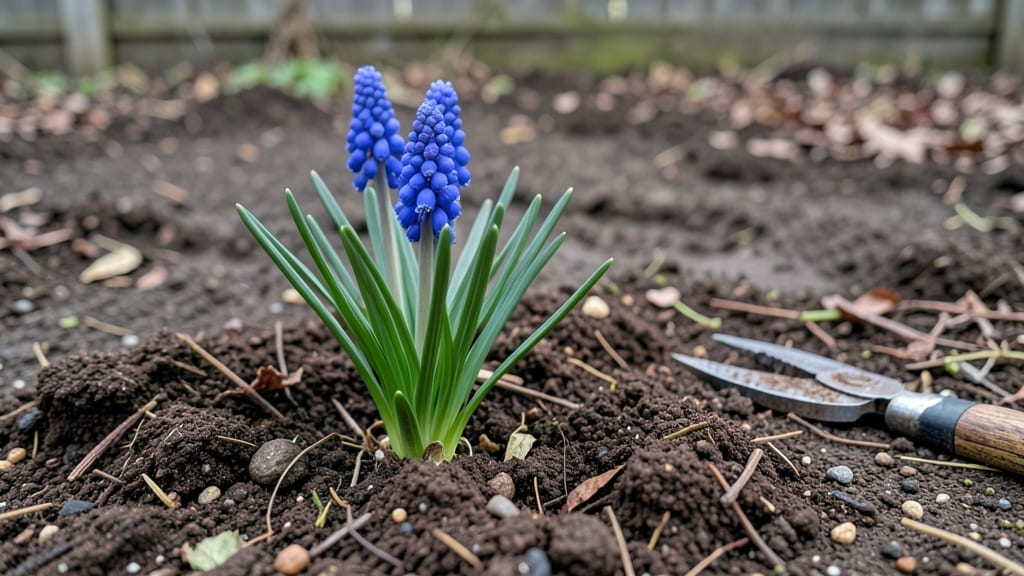
Growing grape hyacinth seedlings with the layered chill method guarantees those signature purple blooms next spring. 🌱 I’ve struggled with weak seedlings before—until I discovered how to break dormancy the right way.
The key lies in mimicking their natural winter cycle, where cold stratification triggers strong root growth before spring planting.
You’ll need a well-draining potting mix, small pots or a seed tray, and a refrigerator for the chill step. Plant seeds just below the soil surface in early fall, then layer them with moist sand or peat moss before refrigerating for 6-8 weeks.
This mimics the cold period bulbs need to develop properly, avoiding the leggy, weak seedlings that frustrate beginners.
Once you transplant them into the garden in early spring, they’ll establish quickly with their deep roots. Keep the soil consistently moist but never soggy—these seedlings hate sitting in water.
Within 4-6 weeks, you’ll see the first shoots emerge, and by next spring, your garden will burst with those iconic grape-like clusters of purple blooms.
This method works best in zones 3-9, where winter chilling is natural. For warmer climates, extend the refrigerator time to 10-12 weeks or use a cold frame outdoors. The payoff? A garden that looks like it was designed by a pro—without the guesswork.
📚 In This Guide
- What you need
- Instructions
- Tips and common mistakes
- Wrapping up and next steps
What you need
- ● Grape hyacinth bulbs (seedlings): 5–10 small bulbs (1–2 inches in diameter) with visible sprouts or green tips.
- ● Potting mix: 2–3 gallons of well-draining, sterile cactus/succulent mix or a blend of 50% peat moss and 50% perlite.
- ● Containers: 2–3 shallow pots (6–8 inches deep) with drainage holes or a single deep tray (10+ inches) for layering.
- ● Chill medium: Damp sphagnum moss or coconut coir (enough to cover bulbs halfway).
- ● Plastic wrap or breathable lid: To maintain humidity during chilling.
- ● Watering can or spray bottle: For gentle hydration (avoid soaking!).
- ● Refrigerator or cold frame: Set to 35–45°F (2–7°C) for 8–12 weeks.
- ● Trowel or spoon: For gently planting bulbs.
- ○ Grow lights (optional): LED bulbs (12–14 hours/day) if natural light is <12 hours/day.
- ○ Fertilizer (optional): Balanced 5-5-5 or bulb-specific fertilizer (diluted to ¼ strength).
- ● Notebook & pen: To track chilling progress and sprouting dates!
How to grow grape hyacinth seedlings using the layered chill method
This foolproof technique forces dormancy and ensures vibrant purple blooms by next spring.
🌱 Step 1: Stratify Seeds for 6-8 Weeks
Place the seeds in a sealed plastic bag with dampened peat moss—enough moisture to feel like a wrung-out sponge, not dripping. Store them in your refrigerator's crisp drawer where temperatures stay 35-40°F. This mimics winter conditions and breaks seed dormancy.
Check weekly for mold—if you spot fuzzy growth, remove the seeds immediately. After 6-8 weeks, the seeds should look slightly swollen. This is your cue they've completed stratification and are ready for planting.
💧 Step 2: Plant Stratified Seeds in Containers
Fill 4-inch pots with a mix of 50% potting soil and 50% perlite to ensure excellent drainage. Plant seeds ½ inch deep—any deeper delays germination as the seedlings struggle to reach light. Space them 1 inch apart in each pot.
Water gently until moisture seeps from the drainage holes, then place the pots in a bright, indirect light location. Avoid direct sun at this stage—it overheats the soil and can dry out the delicate seedlings before they establish roots.
☀️ Step 3: Gradually Acclimate to Light and Temperature
Once sprouts appear in 2-4 weeks, move the pots to a south-facing window or under a grow light for 12-14 hours daily. The seedlings need consistent light to prevent leggy growth, but avoid intense midday sun until they develop 2-3 true leaves.
When the first true leaves appear, you can introduce 1-2 hours of morning sun daily. Watch for color—healthy seedlings have deep green leaves, while pale or yellowing indicates too much light or nutrient deficiency.
⏰ Step 4: Overwinter Seedlings for Next Spring's Blooms
After 8-10 weeks of growth, when seedlings reach 4-6 inches tall, reduce watering and move them to a cool, dark location (like a garage or basement) for 6-8 weeks
Check monthly for signs of rot—if the soil smells sour or the stems feel mushy, repot in fresh mix. In late winter, return them to bright light and warmer temperatures (60-65°F) to encourage rapid growth. When nighttime temperatures stay above 50°F in spring, transplant seedlings outdoors to their permanent location. Space them 3-4 inches apart in well-draining soil with organic matter worked in. Water deeply after planting and mulch with 2 inches of compost to retain moisture. By mid-spring, you'll see the first flush of vibrant purple blooms—a reward for your layered chill patience!🌿 Step 5: Transplant and Prepare for Spring Blooming
Tips & tricks for perfect grape hyacinth seedlings
Here's what I've learned after perfecting this layered chill method—these small details make all the difference for those vibrant purple blooms.
Stratification Precision: The 6-8 week stratification period in your refrigerator's crisp drawer at 35-40°F is non-negotiable for breaking dormancy. I've found that using a small thermometer in the drawer ensures consistent temperatures—some fridges have hot spots. If your seeds don't show swelling after 8 weeks, extend by 1-2 weeks rather than giving up. This mimics natural winter conditions perfectly, and patience here pays off with stronger seedlings.
Light Management: During the 2-4 week germination period, bright indirect light is crucial. I use a simple LED grow light on a timer for 12-14 hours daily—this prevents leggy growth while maintaining energy for root development. Once you see true leaves, that 1-2 hours of morning sun becomes your best friend for hardening off the seedlings without shocking them. The color change from pale to deep green is your visual cue everything's on track.
Overwintering Strategy: When moving seedlings to cool, dark locations for 6-8 weeks, I place them on a wire rack rather than directly on the floor. This improves air circulation and prevents rot—critical when watering reduces. The 60-65°F return to warmth in late winter should be gradual. I move them to their sunny spot over 3-4 days rather than all at once, which mimics natural spring progression and prevents transplant shock.
Transplant Timing: Waiting until nighttime temperatures stay above 50°F is worth the wait. I test this by placing a thermometer outdoors overnight—if it consistently stays above 50°F, your seedlings are ready. The 3-4 inch spacing gives them room to establish without competing for nutrients, and that 2 inches of compost mulch works wonders for moisture retention during their first critical weeks outdoors.
Pro Tips for Grape Hyacinth Seedling
- Here's what I've learned after perfecting this layered chill method—these small details make all the difference for t...
- Stratification Precision: The 6-8 week stratification period in your refrigerator's crisp drawer at 35-40°F is non-ne...
- Light Management: During the 2-4 week germination period, bright indirect light is crucial. I use a simple LED grow l...
Frequently asked questions
Got questions about nurturing grape hyacinth seedlings? You’re in the right place! Here are answers to the most common queries—from timing to troubleshooting—so you can grow those stunning purple blooms with confidence.
When should I plant grape hyacinth seedlings outdoors?
Plant them in early fall (6–8 weeks before the first frost) for spring blooms. If you’re in a warm climate, aim for winter planting (Dec–Jan). Seedlings need time to establish roots before spring growth—rush it, and they’ll struggle with heat stress! Learn more about timing.
How long does the layered chill method take?
The process takes 8–12 weeks total. Start with 4–6 weeks of refrigeration (stratification), then 4–6 weeks of gradual acclimation in a cool, bright spot before planting. Patience pays off—this mimics winter’s natural dormancy for robust blooms next year!
Can I grow grape hyacinth from seeds instead of seedlings?
Yes! But seedlings (like the ones you’re prepping) bloom faster (1–2 years vs. 2–3 years from seed). If starting from seed, sow in late summer, chill for 4–6 weeks, then plant. Seedlings give you a head start on those showstopping purple clusters!
My seedlings look wilted after stratification—what’s wrong?
Don’t panic! Wilting often means overwatering or sudden temperature shock. Let the soil dry slightly between waterings, and avoid cold drafts. If roots are mushy, trim them and replant in fresh, well-draining mix. Pro tip: Use a humidity dome for the first week post-chill to ease stress.
Will grape hyacinths come back every year?
Once established, they’re perennial and will naturalize, spreading into lush ground covers. Divide clumps every 3–4 years to keep blooms vigorous. Deadhead spent flowers to encourage more blooms—your garden will thank you!
Still stumped? Drop your question below—we’re happy to help you grow grape hyacinths like a pro!
Wrapping up and next steps
Growing grape hyacinth seedlings using the layered chill method is your ticket to stunning purple blooms next spring! 🌸 With patience and the right techniques—like proper stratification and consistent care—you’ll nurture hardy plants that reward you with vibrant, fragrant flowers. Ready to transform your garden?
Your next step? Plant those chilled seedlings in well-draining soil and watch them thrive. Start now—your future blooms will thank you!