
Flowers
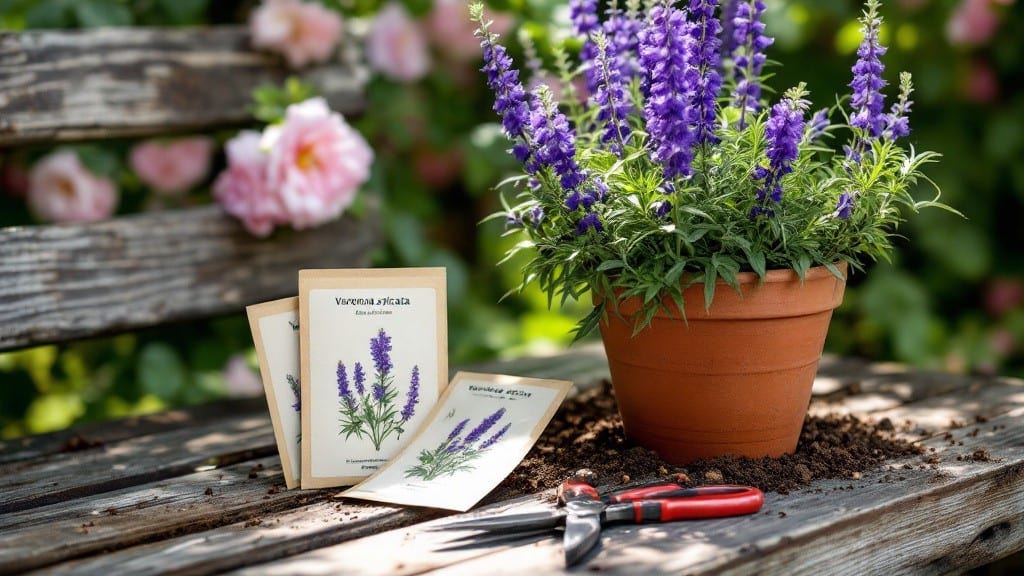
Veronica flower seeds need a simple chill trick to break dormancy—just 4-6 weeks in the fridge—and you’ll have blooms in under two months. 🌱 I’ve grown these delicate spikes for years, and the secret isn’t complicated: a little patience upfront saves headaches later.
Most people skip the cold treatment and end up with slow, uneven germination, but this one step makes all the difference.
The process is beginner-friendly once you know the basics: sow seeds in light, well-draining soil, keep them consistently moist but not soggy, and give them bright indirect light until true leaves appear.
You’ll need a small container for starting indoors, and a sunny spot for transplanting after the last frost—no fancy equipment required. The biggest mistake? Overwatering, which causes seeds to rot before they even sprout.
By week six, you’ll see those first tiny rosettes pushing through the soil, and by midsummer, your garden will be dotted with vibrant blue-purple spikes that hummingbirds can’t resist.
Veronica thrives in poor soil and drought once established, making it the perfect low-maintenance addition to borders, rock gardens, or even containers. The blooms last for weeks, too—far longer than many annuals.
Works in zones 3-9, from coastal gardens to high deserts, and adapts to partial shade if summers are scorching. Here’s the exact method I’ve used to get reliable, healthy starts every season—no guesswork involved.
📚 In This Guide
- What you need
- Instructions
- Tips and common mistakes
- Wrapping up and next steps
What you need
- ● Veronica flower seeds: Choose a variety like Veronica incana (candy tuft) or Veronica spicata (spiked speedwell). Start with 50–100 seeds for a small garden patch.
- ● Seed-starting trays or small pots: Use biodegradable peat or coir pots (3–4 inches deep) or a seed tray with cell inserts (2–3 inches in diameter).
- ● Seed-starting mix: A lightweight, well-draining mix (e.g., 50% peat moss, 30% perlite, 20% vermiculite) or a pre-mixed seedling blend.
- ● Grow lights or sunny windowsill: A full-spectrum LED grow light (12–16 hours/day) or a south-facing window (6+ hours of sunlight).
- ● Misting bottle or spray nozzle: For gentle watering to keep seeds moist.
- ○ Plastic wrap or humidity dome: To retain moisture during germination (optional but helpful for beginners).
- ● Refrigerator (for cold stratification): A standard fridge with a crispier drawer (keeps temps between 35–45°F).
- ● Plant labels & marker: To track varieties and planting dates.
- ● Heating mat: Speeds up germination (set to 70–75°F).
- ● Fertilizer (diluted): A balanced liquid fertilizer (5-5-5 or 10-10-10) for seedlings after 2–3 weeks.
- ● Transplanting tools: Small hand trowel or spoon for moving seedlings.
- ● Garden gloves: To protect hands while handling soil.
- ● Outdoor garden space: A sunny, well-drained bed (full sun to partial shade) for transplanting after 6 weeks.
Simple veronica flower seed starting for fast blooms
Here's how to get vibrant veronica blooms in just six weeks—no fancy equipment needed.
🌱 Step 1: Prepare Containers and Seed Mix
Fill four 2-inch deep biodegradable pots with sterile seed-starting mix (not garden soil). Press the mix down gently so it's firm but not compacted—this prevents air pockets that slow root growth. Moisten the soil until it feels like a damp sponge, squeezing lightly to check moisture.
I like to make small indentations with my finger about ¼ inch deep—just enough to cradle the tiny veronica seeds. The key here is precision: planting too deep delays germination, while too shallow means seeds dry out before sprouting. A spray bottle helps place seeds exactly where you want them.
💧 Step 2: Sow Seeds and Apply Cold Treatment
Place 2-3 seeds per pot in each indentation, then cover lightly with a thin layer of soil (just enough to hide them). Mist the surface again until the soil looks evenly moist but not wet. Here's the trick: veronica seeds need a cold period to germinate, so place the pots in a sealed plastic bag and refrigerate for 2-4 weeks.
Check weekly for moisture—condensation inside the bag means you're good. If the soil feels dry, mist lightly through the bag. This cold stratification mimics winter conditions and breaks seed dormancy. You'll know it's working when you see tiny green sprouts after removing from the fridge.
☀️ Step 3: Move to Warm Light After Chilling
Once sprouts appear (usually 7-10 days after removing from cold), move pots to a warm spot with bright indirect light. A south-facing windowsill works, but veronica seedlings stretch toward light if it's too dim. I place mine under a grow light on a timer for 12-14 hours daily—this prevents leggy growth.
Keep soil consistently moist but not soggy. Stick your finger in the mix: if the top inch feels dry, water gently. You'll see the first true leaves (not the initial seed leaves) in about 3 weeks total—that's when you can thin to the strongest seedling per pot.
✂️ Step 4: Harden Off and Transplant
Two weeks before your last frost date, start hardening off by placing pots outside in morning sun only for 1-2 hours. Gradually increase time and sun exposure over 7-10 days45°F).
Space plants 12 inches apart in well-draining soil with morning sun and afternoon shade. Deadhead spent blooms regularly to encourage continuous flowering. With this method, you'll see your first veronica flowers in just 6-8 weeks—far faster than starting seeds without the cold trick.
Tips & tricks for perfect veronica flower seed starting
Here's what I've learned to help you skip the common pitfalls and get those veronica blooms faster.
The Chilling Secret: That 2-4 week cold treatment in Step 2 is non-negotiable for veronica seeds. I've tried skipping it, and germination rates plummeted. Place a damp paper towel in the bag with your pots to maintain humidity during the cold period—this prevents seeds from drying out while they're dormant. The condensation check is your friend: if you see moisture on the bag's interior, you're golden. If not, mist lightly through the bag once a week.
Lighting Strategy: In Step 3, those 12-14 hours of grow light aren't just about duration—they're about consistency. I use a simple LED bulb on a timer because natural light varies wildly. Position the light just 6 inches above seedlings to prevent stretching. If you notice seedlings leaning toward the light, rotate the pots daily so they grow straight up. This creates sturdy plants ready for transplanting.
Harden Off Like a Pro: The 1-2 hour morning sun introduction in Step 4 is where many gardeners fail. Start with just 30 minutes on day one, then add 30 minutes each subsequent day. I've seen seedlings shocked by sudden full sun exposure—watch for wilting or yellowing leaves. Veronica is tough, but gradual acclimation prevents transplant shock. Remember, the goal is to toughen them up, not fry them.
Soil Temperature Tip: When transplanting at 45°F soil temperature, do a quick finger test: push your finger 2 inches into the ground. If it feels cool but not icy, you're good to go. Cold soil can shock tender roots, so wait for that perfect workable temperature. I always plant in the afternoon when soil has absorbed daytime warmth—it gives seedlings a better chance to establish overnight.
Pro Tips for Veronica Flower Seeds
- Here's what I've learned to help you skip the common pitfalls and get those veronica blooms faster.
- The Chilling Secret: That 2-4 week cold treatment in Step 2 is non-negotiable for veronica seeds.
- Lighting Strategy: In Step 3, those 12-14 hours of grow light aren't just about duration—they're about consistency.
Frequently asked questions
Got questions about growing veronica flower seeds? You’re not alone! Here are some of the most common queries—plus quick, practical answers to help you succeed.
Do veronica seeds need cold stratification before planting?
Yes! Veronica seeds thrive with a chill trick—place them in a sealed bag with damp sand or paper towels, then refrigerate for 2–4 weeks. This mimics winter, breaking dormancy so seeds sprout faster once planted. Skip this, and germination may be slow or spotty. Pro tip: Label your bag to avoid mix-ups!
How long does it take for veronica flowers to bloom after planting?
With proper chill treatment, expect tiny seedlings in 1–2 weeks after planting. However, full blooms typically arrive in 6–8 weeks from sowing (or 4–6 weeks after transplanting). Patience pays off—veronica’s vibrant spikes are worth the wait! Bonus: Deadhead spent blooms to encourage more flowers.
Can I grow veronica flowers from seeds indoors, or should I start outside?
Both work! Start seeds indoors 6–8 weeks before your last frost in trays with seed-starting mix. Transplant seedlings outdoors after hardening off (acclimate them to outdoor temps over 5–7 days). For direct sowing, plant seeds ¼ inch deep in well-draining soil once temperatures stabilize above 40°F. Warning: Veronica hates soggy soil—use raised beds if drainage is poor.
What should I do if my veronica seeds aren’t germinating?
Try these fixes:
- Check moisture: Keep soil consistently damp (not soggy) during germination.
- Verify chill time: Ensure seeds got 2–4 weeks in the fridge.
- Test depth: Seeds need light—plant them just under the soil surface (no deeper than ⅛ inch).
- Warmth boost: Place trays on a heat mat (70–75°F) to speed things up.
Are there any low-maintenance alternatives to veronica flowers?
If veronica’s care feels tricky, try these easy annuals with similar charm:
- Sweet Alyssum – Self-seeds, drought-tolerant, and blooms in shades of white/purple.
- Lobelia – Thrives in containers, loves moisture, and attracts pollinators.
- Calendula – Edible petals, heat-tolerant, and self-sows like crazy.
- Snapdragons – Cold-hardy, long-lasting blooms, and great for cutting.
Wrapping up and next steps
Growing veronica flower seeds is a rewarding journey that brings vibrant blooms to your garden in just six weeks—and the chill trick makes it even easier!
With the right prep, patience, and a little care, you’ll soon enjoy clusters of delicate purple, blue, or white flowers that attract pollinators and add charm to any space. 🌸
Ready to dive in? Grab your seeds, follow the steps, and watch your garden transform! Start today—your future blooms will thank you.