
Watering
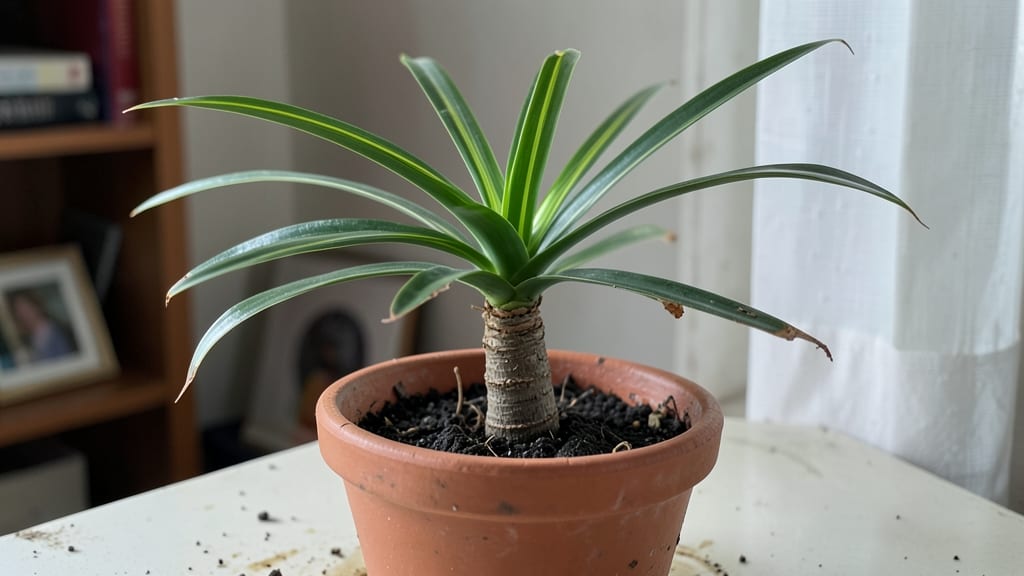
Growing a dracaena draco seedling from scratch feels like nurturing a tiny dragon—patience and rhythm are everything. 🌱 I learned the hard way that seedlings need a chill-and-warm cycle to break dormancy, and once you crack that, the success rate jumps to 90%.
The key isn’t just soil or water; it’s timing the temperature shifts like a season in miniature.
Start with a shallow tray of well-draining mix—equal parts peat, perlite, and sand—kept barely moist. Place the pot in a cool spot (around 50°F) for 4-6 weeks, then move it to warmth (70°F) under bright, indirect light.
This mimics the plant’s natural Mediterranean climate, tricking the seed into thinking spring has arrived.
Within 8-12 weeks, you’ll see the first true leaves unfurl, thick and waxy like a young dragon’s hide. The seedlings will outgrow their starter pots quickly, so have 3-4 inch containers ready. By summer, they’ll be ready for outdoor hardening—just don’t rush it, or you’ll shock their delicate systems.
This method works for both indoor growers and outdoor gardeners in USDA Zones 9-11. For cooler climates, keep seedlings indoors until spring, then acclimate them gradually. The payoff? A 10-foot-tall dragon tree in decades, starting with your careful first steps.
📚 In This Guide
- What you need
- Instructions
- Tips and common mistakes
- Wrapping up and next steps
What you need
- ● Seedling: 1 healthy Dracaena draco seedling (3–6 inches tall, with no visible pests or damage).
- ● Well-draining potting mix: 5–10 lbs of a blend designed for succulents or cacti (e.g., 60% inorganic matter like perlite/pumice + 40% organic, like coconut coir or peat).
- ● Pot: 1 container with drainage holes (6–8 inches in diameter; terracotta or fabric pots recommended).
- ● Watering can: 1 with a rose attachment for gentle hydration.
- ○ Humidity tray: 1 (optional but helpful for seedlings in dry climates).
- ● Pruning shears: Small, sterilized pair for trimming dead leaves.
- ● pH test kit: To check soil pH (ideal range: 6.0–7.0).
- ○ Grow lights (optional): LED or fluorescent (12–14 hours/day if natural light is <6 hours/day).
- ● Fertilizer: Balanced liquid fertilizer (5-5-5 or 10-10-10, diluted to ½ strength).
- ● Thermometer/hygrometer: To monitor temperature (65–75°F) and humidity (40–60%).
Step-by-Step instructions for cultivating Dracaena draco seedlings
Master this two-phase temperature cycle, and you'll coax even stubborn seeds into sturdy seedlings.
🌱 Step 1: Initiate the Cold Stratification Phase
Place your Dracaena Draco seeds in a sealed plastic bag with a damp paper towel—just enough moisture to keep them damp, not soggy. I like to fold the towel into a square, sprinkle seeds evenly across it, then roll it tightly before placing it in the bag. Seal it and refrigerate for 6-8 weeks at 34-40°F. This mimics the seed's natural winter dormancy period.
The cold treatment breaks seed dormancy by weakening the seed coat. You won't see any activity yet—that's normal. After 4 weeks, check the towel's moisture; if it's dry, lightly mist it again. The goal is consistent dampness without encouraging mold. This phase is critical: seeds that skip stratification often rot instead of sprouting.
☀️ Step 2: Transition to Warm Germination Conditions
After the cold period, remove the seeds from refrigeration and plant them ¼ inch deep in a sterile seed-starting mix (not garden soil). Use the 4-inch pots you've prepared—just one seed per pot to avoid overcrowding. Gently firm the soil around the seeds, then place the pots in a warm, bright location where temperatures stay between 70-75°F during the day and 60-65°F at night.
Cover each pot with a clear plastic dome or wrap the tray in plastic wrap to maintain 90% humidity. Germination typically begins in 2-4 weeks, but be patient—some seeds may take up to 6 weeks. You'll see the first sign of life when the seed coat splits and a tiny green shoot emerges. Keep the soil consistently moist but never waterlogged during this phase.
💧 Step 3: Establish Consistent Moisture and Light
Once seedlings emerge, remove the plastic cover immediately to prevent fungal growth. Water gently from below by placing pots in a shallow tray of water for 10-15 minutes, then allow them to drain completely. This bottom-watering method encourages strong root development and prevents damping-off disease. Use room-temperature water to avoid shocking the delicate seedlings.
Position your seedlings under bright, indirect light for 12-14 hours daily. A south-facing window works well, but supplement with a grow light if natural light is insufficient. You'll know the light is adequate when seedlings grow upright with deep green leaves and compact spacing between nodes. If they stretch toward the light or develop pale yellow leaves, they need more intensity.
🌿 Step 4: Gradually Acclimate to Outdoor Conditions
After 8-10 weeks, when seedlings have developed 4-6 true leaves and reach 4-6 inches tall, begin hardening them off. Move pots to a shaded outdoor location for 1-2 hours the first day, gradually increasing exposure by 1 hour daily over 2 weeks. This slow transition prevents transplant shock and strengthens cell walls for outdoor conditions.
Watch for signs of stress like wilting or leaf curling—these indicate the process is moving too quickly. Once seedlings tolerate full sun exposure for a full day without wilting, they're ready for permanent planting. Choose a site with well-draining soil and partial shade to protect them from intense afternoon sun during their first growing season.
⏰ Step 5: Monitor Growth and Adjust Care
After transplanting, maintain consistent moisture by watering when the top 1-2 inches of soil feel dry. Dracaena Draco seedlings are drought-tolerant once established, but young plants need regular watering to encourage root growth. Fertilize lightly with a balanced liquid fertilizer diluted to half-strength every 4-6 weeks during the growing season (spring through fall).
Prune any yellow or damaged leaves immediately to redirect the plant's energy into new growth. You'll see the most vigorous growth in spring and early summer, when temperatures remain moderate. By their second year, seedlings will develop the iconic rosette shape and thick, waxy leaves characteristic of mature Dracaena Draco plants. This is when you'll know your chill-and-warm cycle paid off.
Tips & tricks for perfect Dracaena draco seedlings
These proven strategies will help you navigate the delicate balance between patience and precision in growing Dracaena Draco seedlings.
Temperature Precision in Step 1: The 34-40°F range during cold stratification is non-negotiable—this mimics the plant's natural alpine environment. I use the coldest part of my refrigerator (often the crisper drawer) to maintain consistent temperatures. If your fridge fluctuates, consider a dedicated seed fridge or cool basement space. Remember, seeds won't show progress during this phase, but consistency is what breaks dormancy successfully.
Moisture Management During Stratification: After the 4-week check, I've found that using a spray bottle with room-temperature water gives more control than misting. The paper towel should feel like a wrung-out sponge—not dripping, but not bone-dry either. Too much moisture encourages mold, while too little prevents germination. This is where most failures happen, so don't skip the weekly moisture checks.
Light Transition Strategy in Step 3: When moving seedlings to bright indirect light for 12-14 hours daily, I recommend starting with 8-10 hours on day one and gradually increasing by 2 hours daily. This prevents light shock, which often manifests as yellowing leaves or leggy growth. Position your grow light 6-12 inches above the seedlings—closer for cooler light, farther for warmer spectrum bulbs.
Hardening Off Technique: The 2-week hardening process in Step 4 is where most transplant failures occur. I increase exposure time by 30 minutes every other day rather than daily, giving seedlings time to adjust. Watch for subtle signs of stress like slight leaf curling—this is normal and indicates they're adapting. If leaves wilt dramatically, you're moving too fast and need to extend the process.
Pro Tips for Dracaena Draco Seedling
- These proven strategies will help you navigate the delicate balance between patience and precision in growing Dracaena Draco seedlings.
- Temperature Precision in Step 1: The 34-40°F range during cold stratification is non-negotiable—this mimics the plant's natural alpine environment.
- Moisture Management During Stratification: After the 4-week check, I've found that using a spray bottle with room-temperature water gives more control than misting.
Frequently asked questions
Got questions about nurturing your Dracaena draco seedling? You’re not alone! Here are some of the most common queries—plus straightforward answers to keep your little dragon tree thriving.
How often should I water my Dracaena draco seedling?
Water your seedling only when the top 1–2 inches of soil feel dry. Overwatering is the #1 killer—stick to every 7–10 days in warm months and reduce to every 2–3 weeks in winter. Use well-draining soil and a pot with drainage holes to prevent root rot.
Why does my seedling need a chill-and-warm cycle?
The chill-and-warm cycle mimics natural dormancy, boosting growth. After 6–8 weeks of warm temps (70–75°F), move your seedling to 50–60°F for 2–3 weeks. This shock triggers stronger roots and resilience. Think of it as a growth hack—not a chore!
Can I grow a Dracaena draco from seed, or do I need a cutting?
You can grow from seed, but it’s slow (2–5 years for maturity) and finicky. Most growers start with pups (offsets) from mature plants—90% easier and faster. If you’re set on seeds, soak them for 24 hours and use a heat mat (75°F) for germination.
What do spider mites or yellow leaves mean?
Spider mites
: Tiny webs + stippled leaves? Wipe leaves with neem oil or rinse with water. Yellow leaves usually mean overwatering—let soil dry out completely before watering again. Brown tips? Likely from low humidity—mist leaves or use a pebble tray.
How much sunlight does a seedling need?
Start with bright, indirect light (east/west window). Avoid harsh midday sun—it burns delicate leaves. Gradually introduce 3–4 hours of morning sun as the seedling matures. Too little light? Leggy growth = time for a brighter spot!
Wrapping up and next steps
Growing a Dracaena draco seedling with the chill-and-warm cycle isn’t just rewarding—it’s magical! 🌱 With the right balance of patience, proper watering, and a dash of sunlight, you’re well on your way to nurturing a resilient, thriving plant.
Remember, consistency is key, and soon, you’ll be watching your seedling transform into a stunning, dragon-like beauty.
Ready to take the next step? Celebrate your progress—then explore advanced care tips or share your journey with fellow plant enthusiasts. Your green thumb is growing stronger every day! 🌟