
Watering
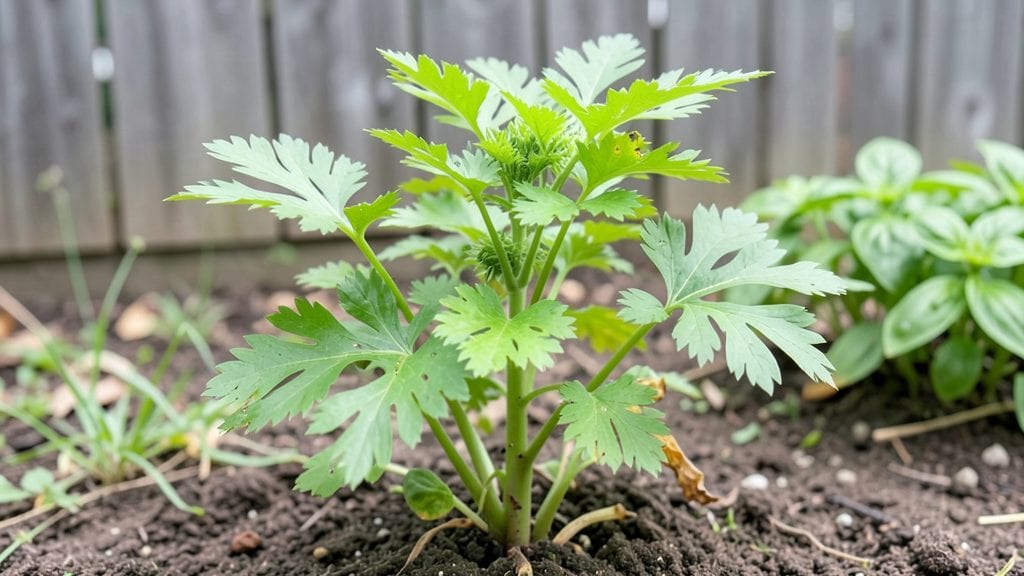
Understanding cilantro seedling stages turns a finicky herb into a reliable garden staple. 🌱 I’ve watched my seedlings go from tiny sprouts to lush, fragrant plants—until they bolted in one heatwave, teaching me the hard way about timing and care.
The first two weeks are critical, where you’ll spot the difference between healthy growth and trouble signs like yellowing leaves or stunted stems.
Right after germination, seedlings emerge with two round cotyledon leaves, followed by true leaves in 7-10 days. Keep soil consistently moist but not soggy, and place them in bright, indirect light. Overwatering or weak light here leads to leggy, pale seedlings that struggle to stand.
By 3-4 weeks, they’ll have 4-6 true leaves and be ready for transplanting if you’ve hardened them off.
Once transplanted, cilantro grows fast—expect 1-2 inches per week under ideal conditions. The smell of fresh leaves signals it’s nearly harvest-ready, but watch for bolting: long stems and bitter leaves mean it’s gone to seed.
Regular harvesting keeps plants productive, while consistent moisture and afternoon shade in hot climates prevent early bolting.
Even experienced gardeners lose seedlings to heat or pests, but mastering these stages means you’ll harvest fresh cilantro for months. Here’s how to spot healthy plants and troubleshoot common pitfalls before they derail your crop.
📚 In This Guide
- What you need
- Instructions
- Tips and common mistakes
- Wrapping up and next steps
What you need
- ● Cilantro seeds: 1 packet (about 1,000–2,000 seeds, depending on the variety). Opt for organic or heirloom seeds for better germination.
- ● Seed-starting mix: 1–2 cubic feet of lightweight, sterile potting soil (avoid garden soil—it’s too dense for seedlings!).
- ● Containers: Seed trays or small pots (4–6 inches deep) with drainage holes—at least 12–24 cells or pots for spacing.
- ○ Optional: Biodegradable seedling pots (peat or coconut fiber) to reduce transplant shock.
- ● Watering can or spray bottle: With a fine mist setting to avoid disturbing seeds.
- ● Grow lights or sunny windowsill: A full-spectrum LED grow light (12–16 hours/day) or a south-facing window with 6+ hours of sunlight.
- ○ Humidity dome or plastic wrap: To retain moisture during germination (optional but helpful in dry climates).
- ● Small hand trowel or spoon: For gently planting seeds without crushing them.
- ● Labeling tags: To track planting dates and varieties (trust us, seedlings look identical at first!).
- ○ Fertilizer (optional): A balanced liquid fertilizer (5-5-5 or 10-10-10) diluted to half-strength for the first feeding.
- ● Fish emulsion or compost tea for organic growers.
- ○ Misting bottle (optional): For maintaining humidity post-germination.
- ○ Pruning shears (optional): For trimming leggy seedlings later in the process.
- ● A warm, draft-free space (ideal temperature: 65–75°F (18–24°C)).
- ● Patience! Cilantro seeds can take 7–14 days to germinate—stay consistent with care.
- ● Knowledge of cilantro’s bolting triggers: Avoid overwatering or heat stress, which can cause premature flowering.
Step-by-Step guide to identifying cilantro seedling stages
Watch your cilantro transform from fragile sprout to bold harvest—each stage reveals what your plants truly need.
🌱 Step 1: Germination (Days 5-14)
The first true magic happens when those tiny seeds push through the soil. You’ll spot the first signs—tiny white roots anchoring down—within 5-7 days if conditions are right. Keep the soil consistently moist but never soggy; I use a spray bottle to mist lightly rather than drown the seeds.
Once the cotyledons (those first two lacy leaves) appear, you’ve cracked the hardest part. They’ll look like miniature ferns, delicate and pale. This is your cue to stop covering the tray—remove any plastic wrap or humidity dome immediately. Too much moisture now invites fungal rot, and cilantro seedlings are particularly vulnerable.
🌿 Step 2: True Leaf Emergence (Days 14-21)
Here’s where things get exciting: true leaves—the feathery, aromatic ones you’ll eventually harvest—start unfurling around day 14. These look nothing like the cotyledons; they’re jagged, bright green, and packed with flavor precursors. Count them: you’ll want 4-6 true leaves before transplanting, if you’re moving them outdoors.
This is also when light becomes critical. If your seedlings stretch toward the window (a sign of etiolation), your grow lights or natural light isn’t strong enough. Move them within 2-3 inches of the light source. You’ll see the difference in just a few days—sturdy stems and vibrant color mean your plants are thriving.
✂️ Step 3: Vegetative Growth (Weeks 3-5)
By week 3, your cilantro should be a lush, bushy plant with 6-8 true leaves. This is the phase where you’ll notice the first hints of that classic cilantro scent—rub a leaf between your fingers to check. If it smells faint, your plants might need more sunlight or a gentle pinch of balanced fertilizer (like the 10-10-10 you have on hand).
Watch for bolting (flowering) signs: tall, thin stems shooting upward or leaves yellowing at the edges. This usually means your cilantro is stressed—either from heat, drought, or too much sunlight. If you’re growing in hotter climates, harvest frequently to encourage leaf production and delay bolting.
☀️ Step 4: Pre-Harvest Maturity (Weeks 5-7)
Your cilantro is now ready for its close-up: full, vibrant leaves with that unmistakable citrusy aroma. Harvest the outer stems first, leaving the inner leaves to keep growing. Cut just above a set of leaves to encourage bushier regrowth. I like to harvest in the morning when oils are most concentrated—you’ll taste the difference.
If you’re growing for seeds, let some plants bolt. The white flowers will turn into dried seed pods, which you can harvest and save for next year. But if you’re after fresh leaves, keep harvesting regularly—cilantro grows surprisingly fast, and consistent picking prevents it from going to seed prematurely.
Tips & tricks for perfect cilantro seedling stages
Here's what nobody tells you about growing cilantro from seed to harvest—these are the details that separate good plants from thriving ones.
Lighting Strategy: During Step 2 (Days 14-21), if your seedlings develop long, spindly stems reaching for light, you're dealing with etiolation. This happens when they don't get enough light. Move them within 2-3 inches of your grow lights or brightest window—you'll notice the difference in just 24 hours. For indoor growers, consider supplementing with LED grow lights that provide full-spectrum light. The goal is to create sturdy stems that can support the plant's weight as it grows.
Harvesting Technique: In Step 4 (Weeks 5-7), when harvesting, always cut just above a set of leaves rather than pulling from the base. This encourages bushier regrowth and prevents the plant from becoming leggy. I like to harvest in the morning when the essential oils are most concentrated—you'll immediately notice the more intense flavor. For continuous harvests, cut outer stems first, leaving the inner leaves to keep growing.
Bolting Prevention: The moment you see tall, thin stems shooting upward or leaves yellowing at the edges in Step 3 (Weeks 3-5), your cilantro is bolting. This is nature's way of telling you the plant is stressed. To delay bolting, harvest frequently to encourage leaf production, and make sure your plants get consistent moisture without becoming waterlogged. In hotter climates, provide afternoon shade to prevent heat stress.
Fertilizer Timing: Wait until Week 3 (Step 3) before adding any fertilizer. At this stage, your cilantro should have 6-8 true leaves and be showing signs of that classic cilantro scent. Use a balanced fertilizer like 10-10-10 at half-strength to avoid burning the delicate roots. I apply it in the evening when temperatures are cooler, which helps prevent leaf scorch. Too much fertilizer too early can actually stunt growth rather than promote it.
Pro Tips for Cilantro Seedling Stages
- Here's what nobody tells you about growing cilantro from seed to harvest—these are the details that separate good plants from thriving ones.
- Lighting Strategy: During Step 2 (Days 14-21), if your seedlings develop long, spindly stems reaching for light, you're dealing with etiolation.
- Harvesting Technique: In Step 4 (Weeks 5-7), when harvesting, always cut just above a set of leaves rather than pulling from the base.
Frequently asked questions
about cilantro seedling stages—because growing fresh cilantro from seeds can feel like a puzzle! Here are answers to the most common questions to help you nurture healthy plants from sprout to harvest.How long does it take for cilantro seeds to germinate?
Cilantro seeds typically germinate in 7 to 14 days under ideal conditions—consistent moisture, warm soil (60–75°F), and indirect light. If you’re impatient, try soaking seeds overnight in warm water to speed up germination. Keep the soil damp (not soggy) and cover with a humidity dome or plastic wrap for faster sprouts!
Why are my cilantro seedlings taking so long to grow?
Slow growth is often due to cool temperatures, poor soil, or uneven watering. Cilantro thrives in cooler weather (50–80°F); if it’s too hot, it may bolt (flower) quickly. Ensure well-draining soil with compost and keep seedlings consistently moist. If they’re leggy or weak, they might need more light—try a grow light or a sunnier spot.
How often should I water cilantro seedlings?
Water cilantro seedlings daily or every other day, keeping the soil evenly moist but not waterlogged. Overwatering can cause damping-off (a fungal disease that kills seedlings). Use a spray bottle or gentle watering can to avoid disturbing delicate sprouts. Once true leaves appear, reduce to 2–3 times per week, depending on your climate.
Can I transplant cilantro seedlings too soon?
Yes! Transplanting too early (before they have 2–3 true leaves) stresses seedlings and can stunt growth. Wait until seedlings are 2–3 inches tall and hardy before moving them outdoors or into larger pots. Harden them off for 3–5 days by placing them in shade for a few hours daily to reduce shock.
What can I do if my cilantro seedlings bolt (go to flower) too quickly?
Bolting happens when cilantro senses heat or stress. To delay flowering:
- Harvest leaves regularly to encourage bushier growth.
- Keep soil moist—drought stress triggers bolting.
- Avoid overcrowding; thin seedlings to 6–8 inches apart.
- Choose bolt-resistant varieties like ‘Santo’ or ‘Calypso.’
- Plant in partial shade if your climate is hot.
Wrapping up and next steps
Growing cilantro from seed is a rewarding journey that starts with tiny sprouts and ends with vibrant, flavorful plants! By understanding each cilantro seedling stage—from germination to true leaves—you’ll set your garden up for success.
With patience, proper care, and a little attention to watering, you’ll soon be harvesting fresh cilantro for your favorite dishes.
Ready to take the next step? Transplant your seedlings once they’re 2–3 inches tall and hardy enough to thrive in your garden or containers. Happy growing—your taste buds will thank you! 🌱✨