
Lawn
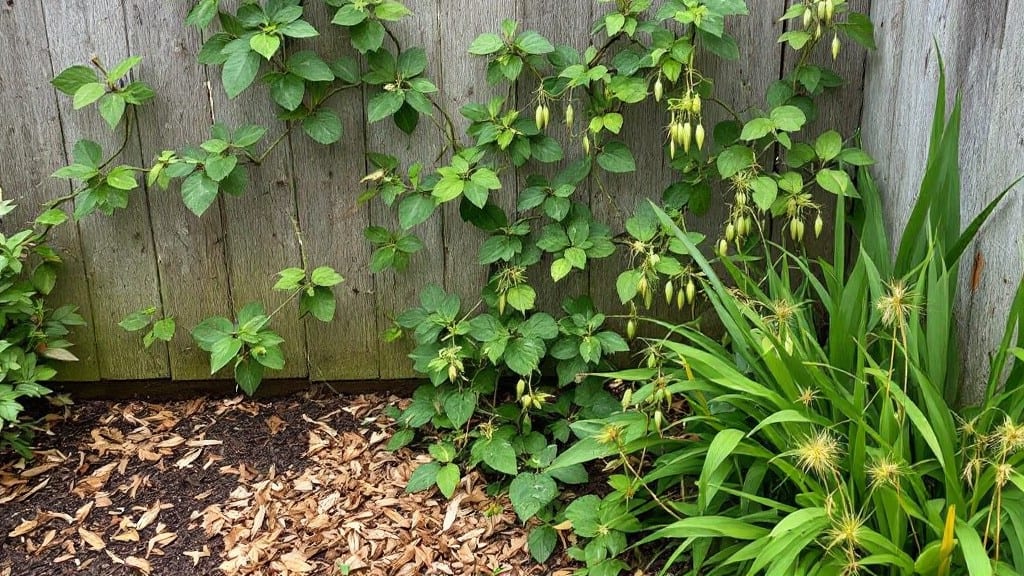
Extracting jasmine seeds from those papery pods unlocks a fragrant future for your garden. 🌿 I’ve turned handfuls of dried pods into thriving vines that perfume my porch all summer—here’s exactly how to do it without losing patience over slow germination.
The key starts with letting those pods dry completely before cracking them open.
You’ll need just a few simple supplies: a sharp knife or scissors, a bowl for seeds, and a well-draining potting mix. Plant the tiny seeds in a shallow container, barely covering them, and keep the soil damp but never soggy.
Most gardeners give up here—don’t be one of them. With the right light and warmth, those seeds will sprout in 3-4 weeks, not months.
Once they’ve sprouted, you’ll watch delicate green shoots appear, then strong vines ready to climb. The real magic happens when those first white blooms open, filling the air with that signature jasmine scent.
Move your seedlings outdoors after the last frost, and you’ll have fragrant vines by midsummer if you start indoors now.
Here’s the secret most guides skip: jasmine thrives in partial shade, so don’t plant it in scorching sun. A trellis or fence gives it the support it needs to grow tall and spread wide.
With these steps, you’ll go from pod to perfume in just a few months—no green thumb required, just patience.
📚 In This Guide
- What you need
- Instructions
- Tips and common mistakes
- Wrapping up and next steps
What you need
- ● Jasmine seed pods: 10-20 pods (ensure they’re fresh and slightly wrinkled for best germination)
- ● Well-draining potting mix: 1-2 bags (look for a blend labeled for "seed starting" or "succulents")
- ● Seed-starting trays or small pots: 6-12 (3-4 inch diameter works best)
- ● Grow lights or sunny windowsill: Access to 6-8 hours of indirect sunlight daily (or a LED grow light for 12-14 hours)
- ● Misting bottle or spray nozzle: For gentle hydration without over-saturating soil
- ● Plastic wrap or humidity dome: To retain moisture during germination
- ● Fertilizer (balanced, water-soluble): 1 small bottle (5-10-5 NPK ratio recommended)
- ● Transplanting tools: Small hand trowel or spoon for moving seedlings
- ● Heat mat: Speeds up germination (70-75°F ideal)
- ● Organic compost: Boosts soil fertility for faster growth
- ● Support structures: Mini trellises or stakes (for climbing varieties like Jasminum officinale)
- ● pH testing kit: Ensures soil pH is between 6.0-7.0 (jasmine prefers slightly acidic to neutral)
- ● Decorative mulch: Pine bark or straw to retain moisture and suppress weeds
Step-by-step guide to growing jasmine from seed pods
Here's how to coax fragrant blooms from seed pods and keep your jasmine thriving year after year.
🌱 Step 1: Extract and Prepare the Seeds
Gently open the jasmine seed pods with a small knife or your fingers—you'll find 2-3 flat, dark seeds inside each. Soak the seeds in lukewarm water for 24 hours to soften the outer coating. This step is crucial because untreated jasmine seeds can take 6-12 months to germinate.
After soaking, rinse the seeds thoroughly under running water to remove any remaining pulp. Place them on a paper towel and let them air-dry for 1-2 hours until slightly damp but not sticky. This prevents mold while keeping them viable for planting.
🪴 Step 2: Plant the Seeds in Moisture-Retentive Medium
Fill a small pot with well-draining potting mix—jasmine roots need air but also consistent moisture. Press the soil down lightly to create a firm planting surface, then make a shallow hole about ½ inch deep with your finger.
Drop 1-2 seeds into the hole and cover them with a thin layer of soil, just enough to hide them completely. Water gently until the soil feels evenly moist, but avoid oversaturating. Place the pot in a warm, shaded area where temperatures stay between 65-75°F—a seedling heat mat helps speed germination.
☀️ Step 3: Provide Warmth and Indirect Light
Keep the soil consistently moist but never soggy—jasmine seeds rot quickly in waterlogged conditions. You'll know moisture is right when the top inch of soil feels damp to touch but doesn't drip water. Cover the pot with clear plastic wrap to create a humidity dome, which helps maintain ideal conditions.
Place the pot in bright, indirect light—direct sun at this stage can scorch the delicate seedlings. Germination typically takes 2-4 weeks, but some seeds may take up to 3 months. Once sprouts appear, remove the plastic wrap immediately to prevent fungal growth.
🌿 Step 4: Transplant and Train for Year-Round Growth
When seedlings reach 3-4 inches tall and develop their first true leaves, transplant them into individual 4-inch pots with fresh potting mix. Handle the seedlings carefully—they're still fragile. Choose pots with drainage holes to prevent root rot.
Jasmine thrives in partial shade, so place your plants where they receive 4-6 hours of morning sun and afternoon shade. If growing outdoors, choose a sheltered spot protected from strong winds. Prune leggy growth by pinching back the tips to encourage bushier, more fragrant plants.
⏰ Step 5: Maintain Through Seasons for Continuous Blooms
Water jasmine when the top inch of soil feels dry to touch—overwatering is the fastest way to kill these delicate plants. Feed them with a balanced liquid fertilizer every 4-6 weeks during the growing season to encourage lush, fragrant blooms.
In winter, reduce watering and move plants indoors if temperatures drop below 50°F. Jasmine can bloom year-round with proper care, but you'll get the most fragrance when grown in a warm, humid environment. Prune lightly after each bloom cycle to maintain shape and encourage new growth.
Tips & tricks for perfect jasmine seed pod growth
Real talk: growing jasmine from seed pods takes patience, but these tricks will help you skip the common pitfalls and get those fragrant blooms faster.
Soaking Secret: The 24-hour soak in lukewarm water is non-negotiable for jasmine seeds. I've tried skipping it, and germination took over a year! Use room temperature water—not hot—and change it halfway through if it gets cloudy. This softens the tough seed coat so moisture can penetrate.
Temperature Matters: Maintaining that 65-75°F range during germination makes all the difference. If your home runs cooler, place the pot on a seedling heat mat or move it to a warmer spot like near a sunny window (but not in direct sun). I once had seeds sit in a 55°F room and they never sprouted—don't make my mistake!
Humidity Dome Hack: The plastic wrap creates a mini greenhouse effect that keeps humidity high where jasmine seeds love it. Check daily for condensation—if you see water droplets, remove the wrap for 30 minutes to prevent mold. Once sprouts appear, remove it completely to avoid fungal growth. This simple step cuts germination time from months to weeks.
Transplant Timing: Wait until seedlings reach exactly 3-4 inches with true leaves before transplanting—any earlier and you risk damaging the delicate roots. I learned this the hard way after pulling a 2-inch seedling and killing it. Use a small trowel to lift gently, keeping as much soil around the roots as possible for a smoother transition.
Pro Tips for Jasmine Seed Pods
- Real talk: growing jasmine from seed pods takes patience, but these tricks will help you skip the common pitfalls and get those fragrant blooms faster.
- Soaking Secret: The 24-hour soak in lukewarm water is non-negotiable for jasmine seeds.
- Temperature Matters: Maintaining that 65-75°F range during germination makes all the difference.
Frequently asked questions
Got questions about growing jasmine seed pods?
Here are some of the most common queries—plus quick, practical answers to help you cultivate fragrant blooms like a pro.
How long does it take for jasmine seed pods to germinate?
Germination can take anywhere from 2 to 4 weeks—sometimes longer—depending on temperature, moisture, and seed freshness. Keep the soil consistently moist (not soggy!) and maintain warmth (around 70–75°F). Patience is key—some seeds may sprout faster if pre-soaked overnight.
Can I grow jasmine seed pods indoors?
Start them indoors in well-draining pots with bright, indirect light (a sunny windowsill works). Use a heat mat if your home is cool, and transplant outdoors after the last frost once seedlings are sturdy. Just ensure they get at least 6 hours of sunlight daily to thrive.
Why aren’t my jasmine seed pods sprouting?
Check these common culprits:
- Cold soil: Seeds need warmth (60°F+) to germinate.
- Poor moisture: Keep soil damp but not waterlogged.
- Old seeds: Jasmine seeds lose viability over time—use fresh ones!
- Light issues: Some varieties need darkness to germinate (cover pots with a damp towel).
What’s the best time to harvest jasmine seed pods?
Harvest pods when they’re plump, green, and slightly soft—usually 4–6 weeks after flowering. Avoid letting them dry on the vine, or they’ll release seeds prematurely. Snip with clean scissors, then dry pods in a paper bag for 1–2 weeks before storing.
Are there alternatives to growing from seed?
Yes! Consider:
- Cuttings: Propagate from healthy stems (root in water or moist soil).
- Transplants: Buy nursery-grown jasmine plants for instant fragrance.
- Layering: Bend a low branch to the ground, cover with soil, and wait for roots to form.
Wrapping up and next steps
Growing jasmine seed pods is a rewarding journey that fills your garden with intoxicating fragrance and vibrant beauty—year-round! Whether you're a seasoned gardener or just starting, these fragrant blooms bring a touch of elegance and serenity to any outdoor space.
With the right care, patience, and a little creativity, you can transform your yard into a lush, aromatic paradise.
Ready to take the next step? Start small—plant a few seed pods in containers or along a trellis—and watch your garden bloom with confidence. Happy gardening! 🌿✨