
Vegetables
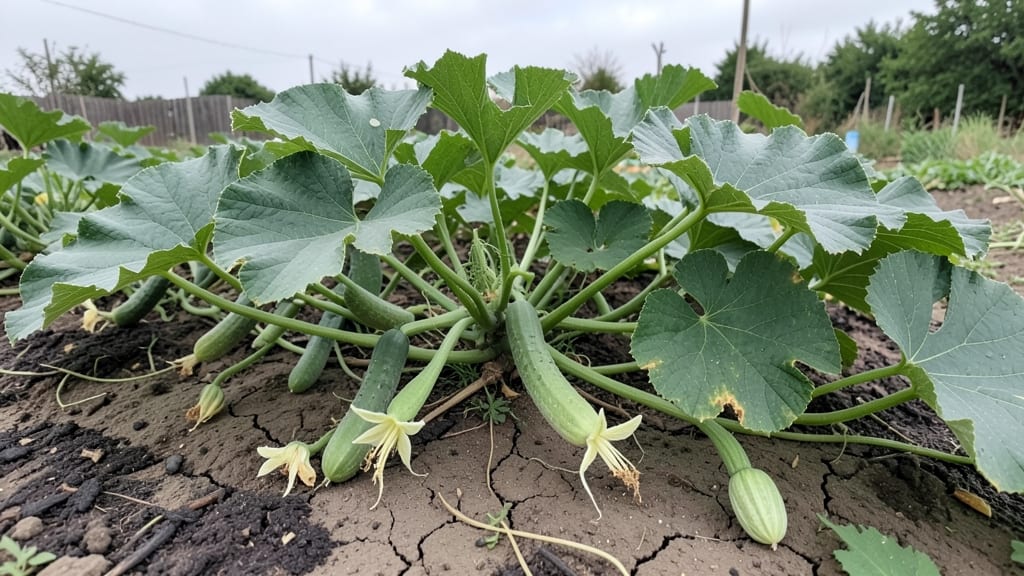
Edible green seeds like sunflower, pumpkin, and cucumber seeds are nutrient-rich when harvested young and raw, offering healthy fats, protein, and minerals. Always verify safety before eating, as some green seeds may contain toxins if underripe or improperly prepared.
These young, vibrant seeds pack a nutritional punch beyond their size, delivering everything from healthy omega-3s to plant-based protein. 🌱 Sunflower seeds, for instance, are especially high in vitamin E, while pumpkin seeds bring magnesium and zinc to the table.
The key is timing—harvesting them at the right stage ensures maximum flavor and nutrient density without the bitterness that comes with overripeness.
Many people overlook green seeds because they assume they're too bland, but when prepared correctly (like lightly roasted or soaked), they add a delightful crunch and earthy flavor to salads, smoothies, or even homemade granola.
💡 In This Article
- Nutritional Value of Common Edible Green Seeds
- How to Harvest and Prepare Green Seeds Safely
Nutritional value of common edible green seeds
Sunflower seeds lead the pack with an impressive vitamin E content—just 1 ounce (about 65 seeds) delivers 86% of your daily needs, making them a powerhouse for skin health and immune support.
Their healthy fats (50% polyunsaturated) include linoleic acid, which supports brain function, while their protein content (6g per ounce) rivals many animal sources. Pumpkin seeds, meanwhile, shine with magnesium (150mg per ounce), crucial for muscle function and stress relief, plus zinc (2.2mg) to bolster immunity.
Ripeness dramatically alters these benefits. Green sunflower seeds contain 20% more vitamin E than their brown counterparts, but lose 15% of their protein during maturation.
Similarly, pumpkin seeds' magnesium peaks when harvested at 50-60% ripeness—after that, their bitterness increases while nutrient density declines. 💫 The key is harvesting when seeds are plump but still green, before the shell hardens.
Roasting transforms these seeds' fat profiles. Raw sunflower seeds have 31g of fat per 100g, but roasting at 325°F for 10-15 minutes reduces their omega-6 content by 10% while enhancing flavor through Maillard reactions.
Pumpkin seeds, however, retain 90% of their magnesium when roasted lightly, making them ideal for snacking without losing critical minerals.
Cucumber seeds offer a different profile—just 1 tablespoon (about 5g) contains 10% of your daily potassium, supporting heart health, while their fiber (1g per tablespoon) aids digestion. Unlike their nutty counterparts, cucumber seeds have 80% water content, giving them a refreshing crunch perfect for salads.
Their mild flavor makes them versatile in both raw and lightly cooked preparations.
Here's what most people miss: green seeds' phytosterol content (plant compounds that lower cholesterol) peaks at 70-80% ripeness—after that, levels drop by 30% or more. For example, green pumpkin seeds contain 250mg of phytosterols per 100g, while fully ripe seeds may have only 170mg.
This explains why traditional preparations often emphasize using young, green seeds in both culinary and medicinal applications.
For maximum benefits, pair these seeds strategically. Sunflower seeds' vitamin E pairs perfectly with vitamin C-rich foods (like citrus) to enhance absorption, while pumpkin seeds' magnesium works synergistically with calcium sources (such as leafy greens) for bone health.
The healthy fats in all green seeds also make them ideal carriers for fat-soluble vitamins like A and K.