Pruning
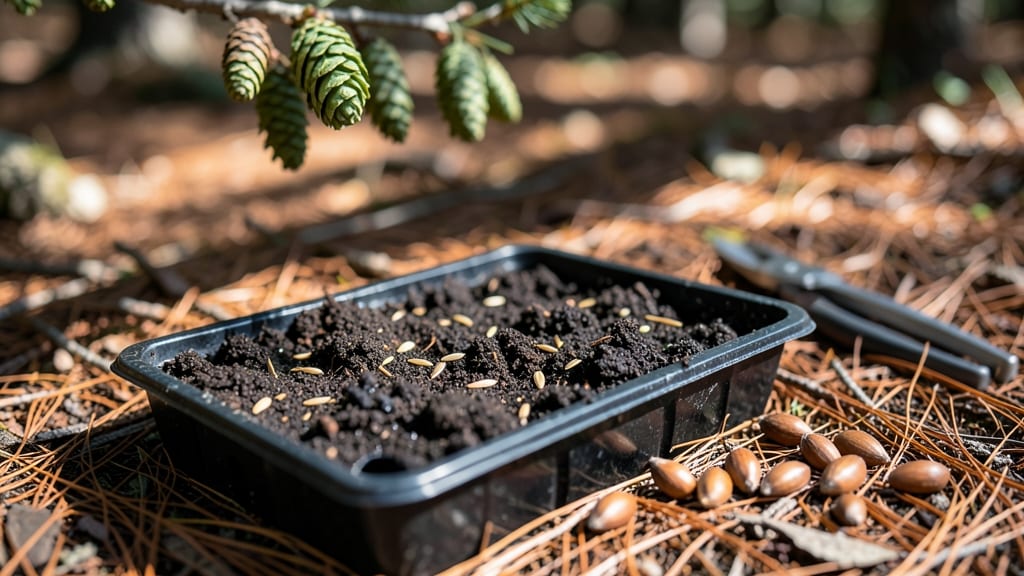
Growing evergreen trees from seeds is the slow but deeply satisfying way to create a living privacy screen that outlasts anything you buy.
The first time I watched a 6-inch pine seedling become a 12-foot windbreak in just three years, I knew this was the real deal—not the instant gratification of shrubs, but the quiet triumph of nature on your terms.
You don’t need fancy equipment, just patience and the right species. Pines and spruces are the easiest starters—their seeds germinate best with a little cold treatment (stratification) to mimic winter.
A mix of sandy loam and peat keeps roots happy, and planting depth matters: just 1/4 inch covers most evergreen seeds. Sunlight is non-negotiable, but even partial shade works for slower growers like firs.
By year three, you’ll have a dense, fragrant wall that blocks noise, filters wind, and stays green when everything else goes dormant. The smell of fresh pine needles in winter is the best reward—plus, you’re building an asset that appreciates with time.
Here’s how to get started without the common pitfalls.
This method works for urban yards, rural windbreaks, or even container-grown specimens. The key is consistency: watering, sunlight, and avoiding early pruning. Let’s turn those tiny seeds into a lifetime screen.
📚 In This Guide
- What you need
- Instructions
- Tips and common mistakes
- Wrapping up and next steps
What you need
- ● Evergreen tree seeds: Choose fast-growing species like Leyland cypress, Thuja (Arborvitae), or Cryptomeria. Purchase 100+ seeds for a dense screen (adjust based on spacing goals).
- ● Seed-starting trays: 72-cell trays (biodegradable or plastic) with drainage holes. 2–4 trays for bulk planting.
- ● Potting mix: High-quality, sterilized seed-starting mix (avoid garden soil—it’s too dense!). 1–2 cubic feet per tray.
- ● Grow lights or sunny windowsill: A full-spectrum LED grow light (12–16 hrs/day) or a south-facing window with 6+ hours of sunlight.
- ● Misting bottle or spray nozzle: For gentle watering (avoid over-saturating seeds!).
- ● Plastic wrap or humidity dome: To retain moisture while seeds germinate.
- ● Transplanting tools: Small hand trowel (for seedling transfer).
- ● 5-gallon pots or nursery containers (with drainage) for seedlings.
- ● Fertilizer: Balanced, water-soluble fertilizer (e.g., 10-10-10) for seedlings. Dilute to half-strength for first use.
- ○ Heat mat (optional): Speeds up germination for cold-weather planters (set to 70–75°F).
- ● Seedling labels: Waterproof tags to track varieties (e.g., Leyland Cypress – Planted Jan 2024).
- ● Pruning shears: For shaping seedlings post-transplant (sterilize blades with rubbing alcohol!).
- ○ Soil moisture meter (optional): Ensures seeds stay consistently moist (not soggy!).
- ○ Epsom salt (optional): Boosts magnesium for faster growth (1 tsp per gallon of water, monthly).
- ● Patience: Germination takes 4–12 weeks (some species like Thuja are slower!).
- ● Space planning: Map your privacy screen layout—evergreens need 3–6 feet of spacing for mature growth.
- ● Local climate check: Verify your USDA Hardiness Zone (e.g., Leyland cypress thrives in Zones 6–10).
- ● Sunlight audit: Confirm your outdoor planting spot gets at least 6 hours of sun/day.
How to grow evergreen trees from seed for a privacy screen
This method turns tiny seeds into a lush, year-round barrier in just three years.
Collect and Prepare Evergreen Seeds
Gather seeds from healthy, mature evergreen trees like arborvitae, juniper, or pine. Collect them in late fall when cones open naturally—this ensures full viability. Store seeds in a paper bag in the refrigerator until ready to plant, but don’t let them dry out completely. I like to process them within a few weeks for best results.
Before planting, soak the seeds in warm water for 12-24 hours to soften the outer coating. This step speeds up germination significantly, especially for tough pine seeds. Drain well afterward—waterlogged seeds will rot before sprouting. If you’re using pine cones, bake them at 150°F for 5-10 minutes to release the seeds gently.
Plant Seeds in a Controlled Environment
Fill small pots (3-4 inches deep) with a mix of 50% peat moss and 50% perlite—this lightweight blend prevents damping-off while allowing roots to breathe. Plant seeds ¼ inch deep, spacing them 1 inch apart in the pot. Press lightly to ensure good soil contact, but don’t compact the mix too tightly.
Place the pots in a warm, shaded area (around 65-75°F) until germination. A seedling heat mat helps maintain consistent warmth, which is critical for evergreens. Keep the soil evenly moist but never soggy—water from the bottom of the pot to avoid disturbing seeds. Germination can take 4-12 weeks, depending on the species.
Transplant Seedlings to Larger Containers
Once seedlings develop 2-3 sets of true needles (not the initial seed leaves), move them to 5-gallon containers filled with a well-draining potting mix. Choose containers with drainage holes to prevent root rot. Transplant carefully, keeping the root ball intact—evergreens are sensitive to disturbance. Water thoroughly after transplanting to settle the soil.
Place the containers in bright, indirect light for the first 2-3 weeks to help them adjust. Gradually introduce them to morning sun over the next month. You’ll notice new growth within 4-6 weeks if conditions are right. This is the stage where many growers rush into the ground too soon—hold off until seedlings are at least 6 inches tall.
Acclimate and Plant Outdoors
Begin hardening off seedlings 4-6 weeks before your last frost date. Start by placing them outside in a sheltered, shaded spot for 2 hours daily, then gradually increase exposure to sun and wind over 10-14 days. Watch for wilting or yellowing needles—this signals they’re not ready yet. Once they tolerate full sun for a full day without stress, they’re ready for the ground.
Dig holes twice as wide as the root ball and plant at the same depth they were in containers. Space seedlings 6-8 feet apart for a dense screen—closer spacing encourages faster growth but may require pruning later. Mulch around the base with 2-3 inches of wood chips to retain moisture and suppress weeds. Water deeply after planting to help roots establish.
Maintain for Rapid Growth
Evergreen seedlings need consistent moisture during their first year, so water once a week unless rainfall provides 1 inch of moisture. Avoid overhead watering—wet needles invite fungal diseases. Fertilize lightly in early spring and mid-summer with a balanced, slow-release fertilizer (10-10-10 ratio). You’ll see 12-18 inches of growth per year if conditions are ideal.
Prune only to shape or remove dead branches in late winter or early spring. Avoid heavy pruning in the first two years—you want the tree to focus on root and trunk development. By year three, your seedlings will be tall enough to form a solid privacy barrier, blocking views and reducing noise effectively.
Tips & tricks for growing evergreen trees from seed
Growing evergreen trees from seed requires patience and attention to detail—here are the key strategies that'll help you avoid common pitfalls and maximize your success.
Seed Preparation: The 12-24 hour soak is non-negotiable for tough seeds like pine, but don't skip the draining step. I've seen seeds rot in waterlogged pots because people ignored this. After soaking, spread seeds on a paper towel to dry slightly before planting—they should feel damp but not wet. For pine cones, that 150°F bake for 5-10 minutes is your secret weapon to release seeds without damaging them. I use an oven timer to avoid overbaking, which can kill viability.
Germination Environment: Maintaining that 65-75°F range is crucial—evergreens are temperature-sensitive. If your home runs cooler, place pots on a seedling heat mat set to low. I've had better germination rates using these than waiting for natural warmth. The 4-12 week germination window is wide because species vary, but if nothing sprouts after 12 weeks, start fresh with new seeds. Don't be tempted to add fertilizer during this stage—young roots need time to establish before nutrients.
Transplanting Strategy: When moving seedlings to 5-gallon containers, focus on the root ball. Use a small shovel to loosen the soil around edges before lifting—this prevents root damage. I've found that adding a handful of perlite to the new potting mix helps prevent compaction. After transplanting, give containers a gentle shake to settle soil around roots. The 6-inch height requirement before outdoor planting is firm, but I've successfully planted slightly shorter seedlings in sheltered microclimates during mild winters.
Hardening Off: That 2-hour daily exposure to start hardening off is perfect for acclimating seedlings. I increase time gradually by 30 minutes each day rather than jumping to full sun. Watch for color changes—healthy needles stay vibrant green, while stressed ones yellow at the edges. If you notice this, move back to shade and extend the process. The 10-14 day timeline assumes moderate weather; in hot climates, extend this to 3 weeks to avoid sunburn.
Pro Tips for Evergreen Tree Seeds
- Growing evergreen trees from seed requires patience and attention to detail—here are the key strategies that'll help you avoid common pitfalls and maximize your success.
- Seed Preparation: The 12-24 hour soak is non-negotiable for tough seeds like pine, but don't skip the draining step.
- Germination Environment: Maintaining that 65-75°F range is crucial—evergreens are temperature-sensitive.
Frequently asked questions
Got questions about growing evergreen tree seeds for a lush, year-round privacy screen? You’re not alone! Here are answers to the most common queries—from timing to troubleshooting—to help you plant with confidence.
How long does it take for evergreen tree seeds to grow into a privacy screen?
Most evergreen trees from seed take 3–5 years to reach privacy-screen height (6–10 feet). Fast-growing species like Leyland cypress or Thuja (Arborvitae) can close gaps sooner, but patience is key—seedlings grow slower than nursery transplants. Plan ahead and consider proper spacing to maximize speed!
When is the best time to plant evergreen tree seeds?
For optimal success, plant seeds in early spring (after last frost) or late fall (6–8 weeks before first frost). Evergreens dislike soggy soil, so avoid winter planting unless your climate is mild. If starting indoors, sow seeds 8–12 weeks before transplanting to harden off seedlings before outdoor placement.
Can I use store-bought evergreen seeds, or should I collect them myself?
Store-bought seeds are reliable and disease-free, ideal for beginners. Collecting wild seeds risks low germination rates or invasive species. If you harvest from your own trees, ensure they’re healthy and fully mature (often brown and papery). For privacy screens, hybrid varieties (like ‘Green Giant’ arborvitae) are better suited than wild-collected seeds.
Why aren’t my evergreen seeds germinating? Troubleshooting tips.
Common issues and fixes:
- Too cold/wet: Seeds need consistent moisture (not soggy) and warmth (70–80°F) for germination. Use a seedling heat mat if needed.
- Old seeds: Evergreen seeds lose viability quickly—plant them fresh or store them in a cool, dry place for no more than 6 months.
- Poor soil: Use a well-draining mix (50% peat moss, 50% perlite/sand). Evergreens hate “wet feet.”
- No light: Seeds need bright, indirect light (or a grow light) to sprout.
If seeds still refuse to sprout, they may need stratification (cold treatment)—check the species’ requirements!
Are there faster alternatives to growing evergreen trees from seed?
Yes! For a quick privacy screen (1–2 years), consider:
- Nursery-grown saplings: Transplants mature 3–5x faster than seeds.
- Fast-growing species: Leyland cypress, ‘Emerald Green’ arborvitae, or ‘Green Giant’ reach 3–4 feet/year.
- Container-grown trees: Buy 1–2 gallon pots for instant height (6+ feet).
Seeds are cheaper but slower—weigh your timeline against budget!
Wrapping up and next steps
Growing your own evergreen tree seeds into a lush, year-round privacy screen is not only rewarding but also a sustainable choice! 🌱 With the right preparation, patience, and care, you can transform your space into a serene, green haven in just three years.
Whether you’re a seasoned gardener or a beginner, the key is consistency—soil prep, proper planting, and regular maintenance will set you up for success.
Now that you’ve got the know-how, why not take the first step today? Start by selecting your seeds, gathering supplies, and preparing your planting area. Your future privacy screen is just a seed away—happy planting! 🌿