
Vegetables
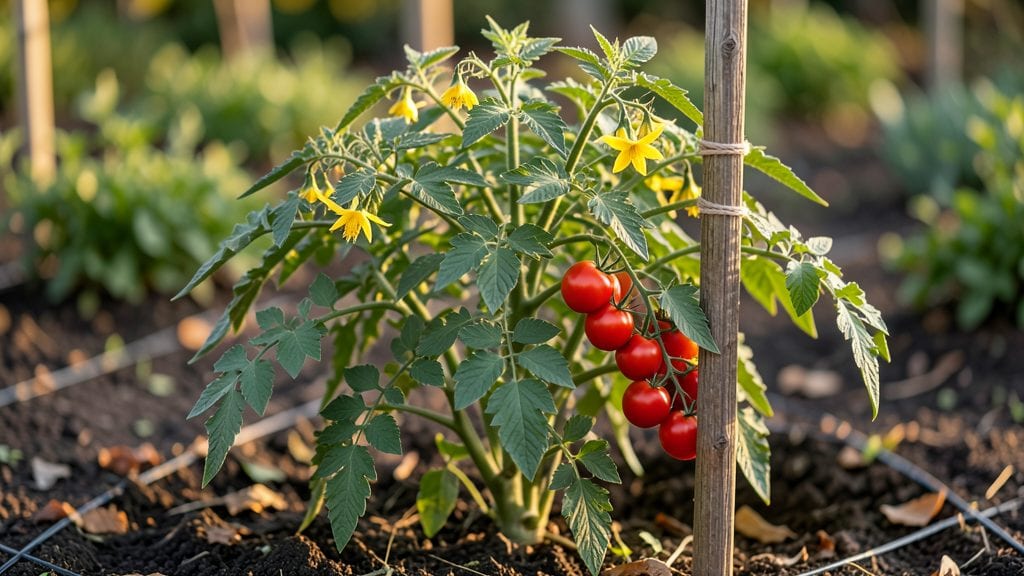
F1 hybrid tomato seeds deliver the kind of harvests that make neighbors ask, "How do you get so many tomatoes?" 🌱 The secret lies in their genetic consistency—uniform size, disease resistance, and yields that outperform heirlooms by 20-30%.
I learned this the hard way after losing half my garden to blight, so I switched to F1s and never looked back.
You don’t need a greenhouse or fancy equipment—just the right timing, well-draining soil, and consistent care.
Start seeds indoors 6-8 weeks before your last frost, then transplant when nighttime temps stay above 55°F. These plants thrive in full sun (6+ hours daily) and reward you with fruit that’s both flavorful and reliable, even in humid climates where other varieties struggle.
By midsummer, you’ll be harvesting glossy, crack-resistant fruit that stores well and ships beautifully. The key is balancing water (deep but infrequent) with fertilizer (low-nitrogen, high-phosphorus) to fuel those heavy yields.
Prune suckers early to direct energy into fruit production, and you’ll end up with bushels instead of just a few tomatoes.
Works for backyard gardens, containers (5-gallon pots for determinate types), and even greenhouses. The same principles apply whether you’re growing cherry tomatoes for snacking or beefsteaks for slicing—just adjust spacing and support. Let’s get those seeds planted!
📚 In This Guide
- What you need
- Instructions
- Tips and common mistakes
- Wrapping up and next steps
What you need
- ● F1 Hybrid Tomato Seeds: 5–10 seeds (choose a disease-resistant variety like 'Mountain Merit' or 'Celebrity').
- ● Seed Starting Mix: 1–2 quarts of high-quality, sterile potting soil (avoid garden soil to prevent pathogens).
- ● Seed Trays or Pots: 2–4 small pots (3–4 inches deep) or a seed tray with cell inserts.
- ● Grow Lights or Sunny Windowsill: A full-spectrum LED grow light (12–16 hours/day) or a south-facing window with bright, indirect light.
- ● Watering Can or Spray Bottle: With a fine mist nozzle to keep soil moist but not soggy.
- ● Plant Tags or Labels: To track seed varieties and planting dates.
- ● Trowel or Small Spoon: For gently transplanting seedlings.
- ● Fertilizer: Balanced liquid fertilizer (e.g., 10-10-10) or organic options like fish emulsion (diluted to half-strength).
- ○ Heat Mat (Optional): For faster germination (70–80°F is ideal).
- ● Plastic Wrap or Humidity Dome: To retain moisture during germination.
- ● Garden Gloves: For handling soil and plants comfortably.
- ● Timing: Start seeds indoors 6–8 weeks before the last frost date in your zone.
- ● Space: Ensure outdoor plants have at least 18–24 inches of space (or use cages/stakes for support).
- ● Climate Check: F1 hybrids thrive in warm weather (60–85°F); avoid planting until soil is at least 60°F.
- ● Patience: Germination takes 7–14 days—keep soil consistently moist!
Step-by-Step instructions for growing F1 hybrid tomato seeds
Here’s how to coax the best from your F1 hybrid seeds—these varieties pack disease resistance and explosive yields, but they demand precision.
🌱 Step 1: Prepare Containers and Seed Starting Mix
Use 4-inch deep pots or trays filled with sterile seed-starting mix. I avoid garden soil—it’s too dense and often carries pathogens that can wipe out seedlings before they even sprout. Moisten the mix until it’s damp like a wrung-out sponge, but not dripping. Press it down lightly so the surface is firm but still crumbly.
F1 hybrids germinate best at 75-85°F, so I place the trays on a seedling heat mat. If you don’t have one, a warm spot near your fridge (where it stays consistently warm) works in a pinch. The key is consistency—fluctuating temperatures slow germination and produce weak seedlings.
🌱 Step 2: Sow Seeds at the Right Depth and Spacing
Plant 2-3 seeds per pot at a depth of ¼ inch—about the width of your smallest fingernail. Sowing too deep forces seedlings to work harder to reach light, which weakens them. Cover lightly with a fine sprinkle of mix, then mist the surface with water until evenly damp.
Label each pot immediately with the variety and date. F1 hybrids like ‘Mountain Merit’ or ‘Celebrity’ grow fast, but they’ll look identical until they flower. I use toothpicks and masking tape for labels—they’re sturdy enough to last through transplanting.
💧 Step 3: Maintain Ideal Moisture and Light for Germination
Cover the trays with a clear plastic dome or plastic wrap to retain humidity. Check daily but avoid lifting the cover—condensation inside is exactly what you want. Germination typically takes 7-14 days, depending on the variety and your growing conditions.
Once 50% of seeds have sprouted, remove the dome immediately. Trapped humidity after germination invites damping-off, a fungal disease that rots stems at the soil line. Place the trays under a grow light or in a south-facing window, keeping them 2-4 inches away from the light source.
☀️ Step 4: Harden Off Before Transplanting
Two weeks before your last frost date, begin hardening off seedlings. Start by moving them outside to a shaded, sheltered spot for 1-2 hours the first day. Gradually increase exposure by 1 hour daily over 10-14 days, until they can handle a full day outdoors.
F1 hybrids are bred for vigor, but they still need time to adjust. Watch for wilting or leaf scorch—these are signs they’re not ready. Transplant on an overcast afternoon to reduce stress, and bury stems slightly deeper than in the pot. The extra soil encourages root growth along the buried stem.
✂️ Step 5: Support and Prune for Maximum Yield
Once seedlings reach 12 inches tall, transplant them into the garden with 18-24 inches between plants. Install sturdy cages or stakes immediately—F1 hybrids produce heavy fruit, and unsupported plants topple easily. Prune suckers (the small shoots that form in the leaf axils) regularly to focus energy on fruit production.
Here’s the thing—F1 hybrids reward precision. Overcrowding or poor pruning leads to smaller yields, even with disease resistance. Pinch off the first flower clusters if your plants are still small; this encourages bushier growth and more robust vines before fruiting.
Tips & tricks for perfect F1 hybrid tomato seedlings
Precision is everything when growing F1 hybrid tomato seeds—these varieties deliver on their promise only when you nail the details.
Temperature Matters: Maintaining that 75-85°F range during germination is non-negotiable. I’ve seen seeds take twice as long to sprout when temperatures dip below 70°F. If you don’t have a heat mat, try placing your trays on top of your refrigerator—the motor keeps it consistently warm. The moment your seeds hit 85°F, germination speeds up dramatically, but don’t exceed it or you risk overheating the delicate seeds.
Sowing Precision: That ¼-inch depth for planting is critical—any deeper and your seedlings will struggle to reach light, becoming leggy and weak. I use the edge of a business card as my depth guide since it’s exactly ¼-inch thick. Also, planting 2-3 seeds per pot gives you insurance against poor germination, but be prepared to thin to the strongest seedling once they sprout.
Lighting Strategy: The 2-4 inch distance from grow lights is a sweet spot—too close and you’ll scorch tender seedlings, too far and they’ll stretch toward light. I start with 4 inches and adjust as seedlings grow. For budget grow lights, LED bulbs designed for seedlings use less energy and provide the full spectrum needed for strong, compact growth. Rotate trays daily to prevent uneven growth toward the light source.
Harden Off Gradually: The 1-2 hour initial outdoor exposure in Step 4 might seem short, but it’s about acclimation, not duration. Watch for subtle signs like leaf curling or slight wilting—these indicate the seedlings aren’t ready for more sun. I’ve learned the hard way that rushing this process leads to transplant shock. The 1 hour daily increase over 10-14 days gives them time to adjust their internal rhythms to outdoor conditions.
Pro Tips for F1 Hybrid Tomato Seeds
- Precision is everything when growing F1 hybrid tomato seeds—these varieties deliver on their promise only when you nail the details.
- Temperature Matters: Maintaining that 75-85°F range during germination is non-negotiable.
- Sowing Precision: That ¼-inch depth for planting is critical—any deeper and your seedlings will struggle to reach light, becoming leggy and weak.
Frequently asked questions
Got questions about F1 hybrid tomato seeds?
You’re not alone! Here are answers to the most common queries—from planting to troubleshooting—so you can grow like a pro.
What makes F1 hybrid tomato seeds better than regular seeds?
F1 hybrids are bred for consistent performance, combining traits like disease resistance, uniform size, and higher yields. While heirloom seeds offer genetic diversity, F1s deliver predictable results—ideal for beginners or commercial growers. Plus, their hybrid vigor often means fewer pests and better flavor!
How long does it take for F1 hybrid tomato seeds to germinate?
Most F1 hybrid tomato seeds sprout in 5–14 days at 70–85°F (21–29°C). Keep soil moist (not soggy) and place trays in a warm spot. If germination takes longer, check moisture levels or seed viability—some seeds may need light to sprout (like ‘Solar Fire’).
Can I grow F1 hybrid tomatoes in cold climates?
Choose early-maturing varieties (like ‘Mountain Merit’) and start seeds indoors 6–8 weeks before your last frost. Use black plastic mulch or row covers to warm soil. For shorter seasons, opt for determinate hybrids—they ripen faster than indeterminate types.
What should I do if my F1 hybrid tomatoes aren’t fruiting?
Common culprits: lack of pollination (gently shake plants or use a paintbrush), overwatering (root rot), or nutrient deficiencies (add balanced fertilizer). Check for pests (aphids, whiteflies) and ensure 6–8 hours of sunlight daily. If flowers drop, it might be too hot—provide afternoon shade.
Are F1 hybrid seeds more expensive? Is it worth it?
Yes, F1 seeds cost more upfront ($3–$5 per packet vs. $1–$2 for heirlooms), but they often outperform traditional seeds in yield and disease resistance. For home gardeners, the trade-off is worth it if you prioritize reliability. Save seeds? No—F1s won’t breed true to their parent traits.
Wrapping up and next steps
Growing F1 hybrid tomato seeds is a game-changer for gardeners seeking high yields, disease resistance, and consistent results—without the hassle of unpredictable heirloom varieties. These powerhouse seeds deliver bigger, healthier tomatoes with minimal effort, making them perfect for both beginners and seasoned growers. 🌱
Ready to elevate your harvest? Start by ordering your F1 hybrid seeds today, then plan your garden layout and soil prep for a flourishing, low-maintenance tomato season. Happy growing—your future salads (and bragging rights) will thank you! 🍅✨