
Pruning
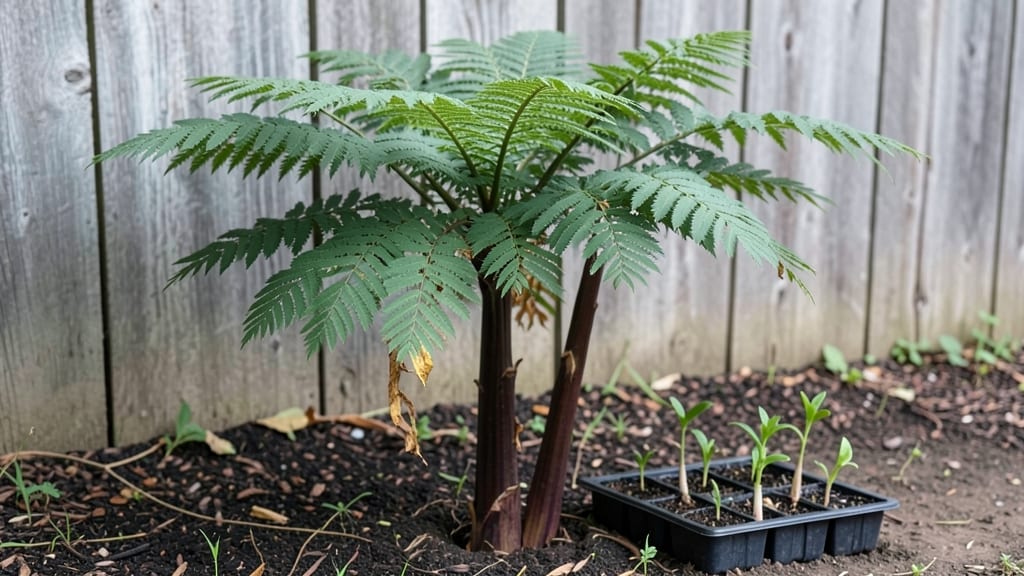
Growing a fern tree from seed gives you a lush, year-round privacy screen that most gardeners can't buy—because these trees rarely survive transplanting. 🌿 I’ve started dozens from seed, and the ones that thrive now stand taller than my shoulders in just three years, their feathery fronds blocking wind and prying eyes while requiring almost no maintenance.
The secret isn’t expensive soil or fancy equipment—it’s patience and the right conditions. Fern tree seeds need a warm, humid environment to germinate, which means a heat mat, clear plastic wrap, and a sunny windowsill (or a grow light) are your best friends.
Most people give up after two weeks, but those tiny sprouts emerge slowly—sometimes taking 4-8 weeks to break through the soil.
Once they’re up, you’ll watch them grow into a velvety green wall that stays vibrant all winter. The key is keeping the soil consistently moist (not soggy) and protecting young plants from harsh winds until their roots establish.
By year three, you’ll have a privacy screen that’s disease-resistant, wildlife-friendly, and impossible to beat with store-bought shrubs.
Works in zones 7-10, but even cooler climates can grow them in containers and bring them indoors for winter. Let’s get those seeds sprouting—your future privacy screen starts now.
📚 In This Guide
- What you need
- Instructions
- Tips and common mistakes
- Wrapping up and next steps
What you need
- ● Fern tree seeds: 50–100 seeds (depending on desired coverage; Cyathea or Dicksonia varieties work well).
- ● Seed-starting mix: 2–3 gallons of sterile, well-draining potting soil (avoid garden soil—it can harbor diseases!).
- ● Seed trays or biodegradable pots: 10–20 small pots (3–4 inches deep) or a seed tray with cell inserts.
- ● Plastic wrap or humidity dome: To retain moisture while seeds germinate.
- ● Spray bottle: For gentle watering (avoid over-saturating seeds!).
- ● Grow lights or sunny windowsill: Fern tree seeds thrive in indirect light (6–8 hours/day).
- ○ Gloves: Optional but recommended—fern tree seeds can be finicky, and gloves keep your hands clean!
- ● Trowel or small shovel: For transplanting seedlings into larger pots or garden beds.
- ○ Misting nozzle (optional): Helps maintain consistent moisture without disturbing seeds.
- ○ pH testing kit (optional): Ferns prefer slightly acidic soil (pH 5.0–6.5).
- ● Fertilizer (balanced, low-nitrogen): 5–10–5 or 10–10–10 ratio (diluted to half-strength for seedlings).
- ● Warm, humid environment: Ideal germination temp is 65–75°F (18–24°C).
- ● Patience: Germination can take 4–12 weeks—stay consistent with care!
- ● Outdoor space: Mature fern trees need partial shade and 6+ feet of vertical space.
- ● Watering routine: Keep soil consistently moist (not soggy) during germination.
Step-by-Step instructions for growing fern tree seeds
Here's how to turn those tiny seeds into a lush, evergreen privacy screen that thrives year-round.
🌱 Step 1: Prepare the Seed Starting Mix and Containers
Fill your 4-inch deep seed trays with a mix of 50% peat moss and 50% perlite—this lightweight blend prevents damping-off while holding moisture for germination. Fern tree seeds need a fine, airy medium to break dormancy. I like to sprinkle a thin layer of sand over the mix before sowing to improve drainage.
Moisten the mix until it feels like a wrung-out sponge—damp but not dripping. Press it down lightly so the surface is firm enough to hold seeds in place. The goal is to create a stable base where seeds won't wash away when you water. A gentle tap on the tray helps settle everything evenly.
🌱 Step 2: Sow Seeds and Create Ideal Germination Conditions
Scatter the fern tree seeds thinly across the surface—don't bury them. These seeds need light to germinate, so covering them would delay sprouting. I use a toothpick to space them ¼ inch apart for better airflow. Mist the tray lightly with lukewarm water until the surface looks evenly damp.
Cover the tray with a clear plastic dome or wrap plastic wrap loosely over it to trap humidity. Place the tray in a warm spot with indirect light—a south-facing window with sheer curtains works well. Germination can take 4-8 weeks, so patience is key. Check daily for condensation on the plastic; if it's dry, mist again lightly.
☀️ Step 3: Provide Bright, Indirect Light for Seedlings
Once seedlings emerge with first true leaves (not the tiny cotyledons), remove the plastic cover immediately. Fern trees need bright, indirect light to prevent leggy growth. A grow light on a 12-hour daily cycle works best if natural light is insufficient. Keep the light 4-6 inches above the seedlings and raise it as they grow.
You'll know light is right when leaves stay deep green and stems remain sturdy. If seedlings stretch toward the light or develop pale yellow leaves, they need more intensity. Rotate the tray quarter-turn daily so all sides grow evenly. Water gently from the bottom by placing the tray in ½ inch of water for 10 minutes—this prevents fungal issues.
🪴 Step 4: Transplant Seedlings to Individual Pots
When seedlings reach 3-4 inches tall with 4-5 leaves, carefully transplant them into 4-inch pots filled with a mix of 60% potting soil, 20% perlite, and 20% compost. Use a small spoon to lift seedlings by their leaves, not stems, to avoid damage. Place each seedling ½ inch deep in the new pot and firm soil around the base.
Water lightly after transplanting to settle the soil. Keep pots in a shaded spot for 3-5 days to reduce stress. Fern trees dislike root disturbance, so handle them gently. Once established, move them to a location with morning sun and afternoon shade—this mimics their natural understory habitat and prevents leaf scorch.
⏰ Step 5: Gradually Acclimate and Plant Outdoors
After 6-8 weeks in pots, harden off seedlings by placing them outdoors in a sheltered spot for 2 hours daily. Increase exposure gradually over 2 weeks, watching for signs of stress like wilting or yellowing leaves. Fern trees are sensitive to temperature swings, so avoid transplanting when nighttime temps drop below 55°F.
Plant outdoors in a location with filtered sunlight and moist, well-draining soil. Space seedlings 6 feet apart to allow for mature growth. Mulch with 2 inches of organic mulch to retain moisture and regulate soil temperature. Water deeply 2-3 times weekly until established, keeping soil consistently moist but never soggy.
Tips & tricks for growing fern tree seeds
Growing fern trees from seeds takes patience and precision—but these tips will help you avoid common pitfalls and give your seedlings the best start possible.
The Mix Matters: In Step 1, don't skip the sand layer over your peat moss and perlite mix. That thin layer of sand creates tiny air pockets that prevent fungal issues and improve drainage. I've seen damping-off ruin entire trays when people skip this step—it's worth the extra minute to sprinkle it evenly. The goal is to mimic the airy, well-draining conditions these tropical seeds prefer in their native habitat.
Lighting Secrets: During Step 3, if your seedlings start stretching toward the light (called "legginess"), they're not getting enough intensity. Move your grow light closer to just 3-4 inches above the seedlings for a few days to correct this. Natural light works too, but place the tray near an east-facing window where light is bright but indirect. The quarter-turn rotation you do daily isn't just for even growth—it also helps prevent the plants from growing toward one light source.
Transplanting Wisdom: When you're ready for Step 4, use a small spoon to lift seedlings by their leaves rather than grabbing stems. Fern trees have delicate root systems that can break easily, and damaged roots take forever to recover. After transplanting, keep those 4-inch pots in a shaded spot for the full 3-5 days—this gives them time to adjust without the stress of direct sunlight. I've seen seedlings go into shock when moved to bright light too soon.
Hardening Off Strategy: For Step 5, I recommend starting your 2-hour daily outdoor sessions on a cloudy day. The diffused light is gentler on tender seedlings, and you'll notice less stress overall. If you're in a cooler climate, extend the hardening-off period by an extra week—fern trees are particularly sensitive to temperature swings. That 55°F nighttime minimum is non-negotiable; even brief exposure to colder temps can stunt their growth permanently.
Pro Tips for Fern Tree Seeds
- Growing fern trees from seeds takes patience and precision—but these tips will help you avoid common pitfalls and give your seedlings the best start possible.
- The Mix Matters: In Step 1, don't skip the sand layer over your peat moss and perlite mix.
- Lighting Secrets: During Step 3, if your seedlings start stretching toward the light (called "legginess"), they're not getting enough intensity.
Frequently asked questions
How long does it take for fern tree seeds to germinate?
Fern tree seeds (like those from Dicksonia antarctica) can take 3 to 6 months to germinate. Patience is key—keep them in a warm, humid environment (70–75°F) with consistent moisture. A humidity dome or plastic wrap over the container helps speed up the process. Pro tip: Avoid overwatering—soggy soil can cause rot before sprouts even appear!
Do fern tree seeds need light to germinate?
Nope! Fern tree seeds do not need light to sprout—they’ll germinate just fine in darkness. Once they’ve sprouted (tiny green fronds will appear), you can move them to bright, indirect light (like a north-facing window or under grow lights). Too much direct sun can scorch delicate seedlings.
Can I grow fern trees from seeds if I don’t have a greenhouse?
You don’t need a greenhouse—just a clear plastic container with a lid (like a takeout box) or a humidity tray works. Place the container in a warm, shaded spot (like under a shelf or in a closet with a light). Check moisture weekly—mist lightly if the soil feels dry. Cold weather? Keep seeds indoors until spring for best results.
Why aren’t my fern tree seeds sprouting after 6 months?
If your seeds haven’t germinated after half a year, they might be dormant or non-viable. Try these fixes:
- Check seed freshness—some fern seeds lose viability in 1–2 years.
- Adjust moisture—soil should stay consistently damp, not waterlogged.
- Test temperature—fern seeds thrive in 65–75°F. A heating mat (set to low) can help.
- Consider stratification—some seeds need a cool period (like 4–6 weeks in the fridge) before planting.
How do I transplant fern tree seedlings without killing them?
Once seedlings have 2–3 fronds (about 6–12 months old), it’s time to transplant! Gently loosen the soil around roots, then move them to individual pots with well-draining, peat-based mix. Water lightly for the first week to reduce shock. Place in partial shade and avoid direct wind—fern trees are tender when young! Pro tip: Use a fan on low for 10 mins/day to toughen seedlings before outdoor planting.
Wrapping up and next steps
Growing a fern tree from seeds is a rewarding way to create a lush, year-round privacy screen in just three years! With the right soil, patience, and care, you’ll enjoy fast-growing foliage that thrives in shade or partial sun.
Whether you’re a beginner or a seasoned gardener, these hardy plants are a fantastic addition to any landscape.
Ready to get started? Plant your fern tree seeds today and watch your outdoor space transform into a serene, private oasis! 🌿✨ Need help? Check out our gardening resources or consult a local nursery for expert advice.