
Pruning
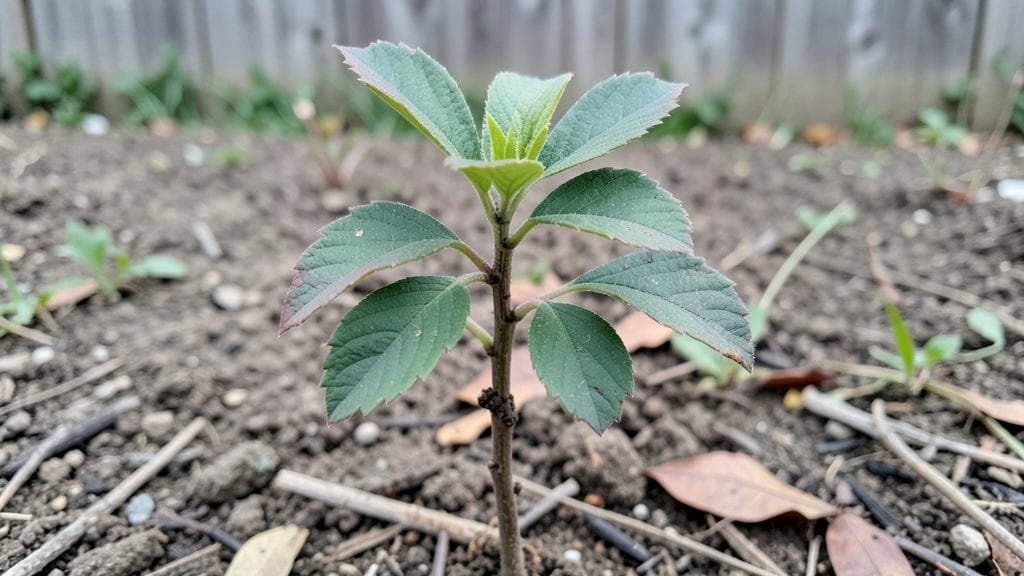
Growing a strawberry tree seedling means year-round privacy and fragrant blooms that smell like summer in every season. 🌿 I’ve watched mine transform from a scraggly sapling into a lush, 10-foot hedge that blooms from winter to fall—no other plant does that.
The secret isn’t complicated, but it’s not what you’d expect either.
Start with well-draining soil and full sun—this tree thrives where others struggle. A single seedling can grow into a 15-foot-wide screen in just a few years, making it perfect for fences or borders.
Water deeply once a week after planting, but don’t drown it; soggy roots are the fastest way to kill these tough little trees.
By pruning correctly in late winter, you’ll encourage dense growth and more flowers. Snip back leggy branches to encourage bushier shape, and you’ll end up with a fragrant, ever-blooming hedge that smells like strawberries and sunshine. The best part? It’s nearly pest-free and drought-tolerant once established.
Even if your first seedling struggles with transplant shock, don’t give up—these trees are resilient. With the right care, you’ll have a living privacy screen that’s both beautiful and low-maintenance. Let’s get yours growing strong!
📚 In This Guide
- What you need
- Instructions
- Tips and common mistakes
- Wrapping up and next steps
What you need
- ● Strawberry tree seedling (1-3 plants, depending on desired coverage) Specs: Healthy, disease-free, 1-3 feet tall (nursery-grown preferred)
- ● Variety tip: Arbutus unedo (Mediterranean strawberry tree) is ideal for fragrant blooms.
- ● Well-draining potting mix (5-10 gallons, depending on pot size) Mix: 60% peat-free potting soil + 30% perlite + 10% compost
- ○ Optional: Add mycorrhizal fungi (1 packet) to boost root health.
- ● Containers or garden bed For seedlings: 5-7 gallon pots with drainage holes (or a raised bed)
- ● For mature trees: Plant in full sun to partial shade (6+ hours of light daily).
- ● Pruning tools Bypass pruners (sharp, clean)
- ● Loppers (for thicker branches)
- ● Hand saw (for stubborn stems)
- ● Pro tip: Disinfect tools with 70% rubbing alcohol between cuts to prevent disease! 🧼
- ● Mulch (2-3 inches of organic mulch, e.g., wood chips or straw)
- ● Fertilizer Balanced 10-10-10 fertilizer (spring/fall)
- ○ Slow-release osmocote (optional, for potted seedlings)
- ● Watering can or hose with nozzle (with gentle spray setting)
- ● Gloves (gardening gloves to protect hands from thorns)
- ● Hardiness zone: 7-9 (strawberry trees thrive in mild climates but tolerate zones 6-10 with winter protection).
- ● Soil pH: Slightly acidic to neutral (6.0-7.0). Test soil with a pH kit if unsure.
- ● Spacing: Plant seedlings 8-10 feet apart for optimal airflow and growth.
- ● Patience! Strawberry trees grow slowly (1-2 feet per year) but reward you with decades of privacy and blooms.
Step-by-Step guide to pruning strawberry tree seedlings
Here's how to shape your seedlings into strong, fragrant privacy screens—without sacrificing those stunning spring blooms.
🌱 Step 1: Identify and Remove Weak Growth
Start by examining your seedlings for any stems that are thinner than a pencil or growing at sharp angles. These weak shoots compete with your plant for nutrients and rarely produce strong blooms. I like to pinch off these stems with my fingers—no need for shears yet. You'll know a stem is too weak if it snaps easily when bent gently.
Focus on the lower third of the plant first. These early removals encourage energy to flow upward, where you want dense foliage for privacy. If you see any stems growing straight toward the center of the plant, trim those too—they'll create a bare spot where light can't reach.
✂️ Step 2: Shape the Canopy for Fullness
Use clean, sharp pruning shears to cut back any branches that are crossing or rubbing against each other. These wounds heal faster when made with sharp tools, and it prevents future disease entry points. Aim to create an open center that allows sunlight to reach all leaves—this is key for those signature fragrant blooms.
For each branch you trim, cut just above a leaf node where new growth can emerge. Make your cuts at a 45-degree angle about ¼ inch above the node to prevent water from pooling. If you're unsure where the node is, look for the small bump where leaves attach—they're your guideposts for future growth.
☀️ Step 3: Encourage Airflow and Bloom Production
Thin out any branches that are growing too densely together. You want to maintain 3-4 inches of space between branches to prevent fungal issues. I usually step back and squint—if I can't see light filtering through the center, it's time to trim more aggressively. This open structure also lets those fragrant flowers show off.
Pay special attention to any branches growing straight upward. These vertical stems often produce fewer blooms. Instead, encourage horizontal growth by pinching back the tips of upward-growing branches. This redirection creates a fuller, bushier plant that's perfect for privacy screens.
⏰ Step 4: Time Your Pruning for Seasonal Health
The best time to prune strawberry tree seedlings is late winter or early spring, just as new growth begins. This timing gives your plant the entire growing season to recover and establish strong branches. Avoid heavy pruning in fall—your plant needs those leaves to store energy for winter.
After your initial pruning, do a light maintenance trim in mid-summer to remove any dead or diseased branches. This keeps your plant looking tidy and prevents problems from spreading. Water deeply after pruning to help your seedlings recover—you'll see new growth emerge within 2-3 weeks if everything's right.
Tips & tricks for pruning strawberry tree seedlings
A few simple tricks will help you shape your seedlings into lush, fragrant privacy screens that thrive for years.
Tool Prep Matters: Always sanitize your pruning shears with rubbing alcohol before and after use. I learned this the hard way after noticing my plants developing mysterious brown spots—turns out, old tools can harbor bacteria. A quick wipe with alcohol keeps your cuts clean and prevents disease. For larger branches, I recommend using bypass pruners—they make cleaner cuts that heal faster than anvil pruners.
Visual Cue for Perfect Cuts: When making those 45-degree angle cuts in Step 2, imagine slicing a slice of pizza—your cut should follow that same diagonal. This angle prevents water from sitting on the cut surface, which helps your plant heal properly. If you're unsure, practice on a few small branches first to get the feel right.
Seasonal Timing Secret: The late winter/early spring timing in Step 4 isn't just about convenience—it's when your plant naturally enters growth mode. I've found that pruning at this time gives seedlings 2-3 weeks of warm weather to recover before summer heat arrives. If you must prune in summer, do it on an overcast day to reduce stress on the plant.
Pruning for Blooms: Those fragrant flowers you love come from well-pruned branches. Focus on removing stems that grow straight up—they often produce fewer blooms. Instead, encourage outward growth by pinching back the tips of vertical stems. This redirection creates a bushier plant that's perfect for privacy screens while maximizing those signature strawberry-scented blooms.
Pro Tips for Strawberry Tree Seedling
- A few simple tricks will help you shape your seedlings into lush, fragrant privacy screens that thrive for years.
- Tool Prep Matters: Always sanitize your pruning shears with rubbing alcohol before and after use.
- Visual Cue for Perfect Cuts: When making those 45-degree angle cuts in Step 2, imagine slicing a slice of pizza—your cut should follow that same diagonal.
Frequently asked questions
Got questions about growing and pruning strawberry tree seedlings?
Here are some of the most common concerns—and their answers—to help you nurture a thriving, fragrant hedge with minimal stress.
When is the best time to plant a strawberry tree seedling?
Plant your strawberry tree seedlings in early spring or fall, when temperatures are mild (50–70°F). Avoid extreme heat or frost, which can shock young roots. If planting in summer, water deeply daily and provide afternoon shade for the first few weeks.
How often should I prune a strawberry tree seedling?
For the first year, light pruning is key—focus on removing dead or crossing branches. After the second year, prune twice annually: once in late winter (before new growth) to shape the hedge, and again in summer to encourage bushier growth. Use clean, sharp shears for precision!
Can strawberry tree seedlings survive winter frost?
Mature strawberry trees are highly cold-hardy (USDA Zones 7–10), but seedlings need extra care. Mulch the base with 3–4 inches of organic matter (like wood chips) in fall, and wrap young trunks with burlap if temperatures drop below 20°F. Water sparingly in winter to prevent root rot.
What’s the fastest way to fill in gaps in my strawberry tree hedge?
For quick coverage, plant additional seedlings every 2–3 feet along the hedge line. Strawberry trees root easily from cuttings—snip 4–6 inch tip cuttings in spring, dip in rooting hormone, and plant in moist soil. Keep them shaded and humid until established (4–6 weeks).
Why are my strawberry tree seedlings’ leaves turning yellow?
Yellowing leaves often signal overwatering or nutrient deficiency. Check soil moisture—it should be damp but not soggy. Amend soil with compost or a balanced fertilizer (10-10-10) in spring. Pests like spider mites can also cause yellowing; spray with neem oil if needed.
Wrapping up and next steps
Growing a strawberry tree seedling into a fragrant, privacy-providing beauty is a rewarding journey—one that combines patience, care, and a little pruning know-how! 🌿 With the right techniques, you’ll enjoy year-round greenery, delicate blooms, and even edible berries.
Whether you’re a gardening novice or a seasoned green thumb, every snip brings you closer to a lush, thriving tree.
Ready to take the next step? Start small:
- 🌱 Observe your seedling—note its growth patterns before pruning.
- 📅 Mark your calendar for seasonal pruning sessions (spring and late winter are key!).
- 📚 Experiment! Try different pruning styles to see what works best for your climate.