
Vegetables
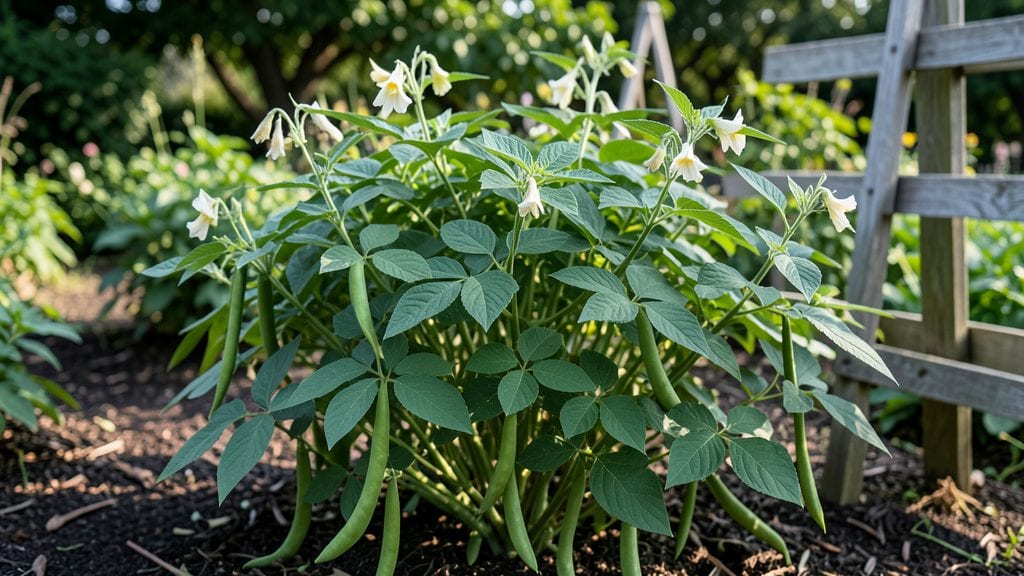
Harvesting green beans from seed to a crisp, homegrown pod in just 90 days is one of the quickest rewards in gardening—if you nail the timing and spacing.
Picture this: you plant a row of seeds in early May, and by late July, you’re snapping fresh pods straight from the vine. But miss the spacing by even a few inches, and your plants will compete for sunlight and nutrients, leaving you with stunted yields instead.
The secret isn’t just patience—it’s knowing when to thin, how far apart to space them, and when to start harvesting to keep the production rolling.
In Zone 6, where spring’s last frost typically passes by mid-April, the window for planting is tight. Too early, and cold soil slows germination; too late, and the heat arrives before the pods mature.
With the right 90-day timeline, you’ll avoid both pitfalls and end up with a garden teeming with 🌱 green beans ready to pick.
Below, I’ll walk you through the exact spacing, planting schedule, and care tips to turn your seeds into a steady harvest—no guesswork, just proven results.

The exact 90-Day green beans growth timeline from seed to harvest
Green beans are one of the fastest vegetables to grow, delivering fresh pods in as little as 50-60 days from seed. Understanding this 90-day timeline helps you plan for optimal growth, whether you're growing bush beans or pole beans.
Each stage—from germination to harvest—requires specific care to ensure healthy plants and abundant yields.
Your journey begins with seed germination, which typically takes 7-14 days under ideal conditions. Soil temperature plays a critical role here—seeds need warmth (60-85°F) to sprout efficiently.
Once sprouted, seedlings grow rapidly, reaching 3-4 inches tall in just 2-3 weeks. This early stage is all about establishing strong roots and sturdy stems.
Week 4-6 marks the transition to vigorous growth, where plants develop true leaves and begin climbing (for pole varieties) or branching (for bush varieties). During this phase, proper spacing becomes crucial—crowded plants compete for nutrients and sunlight, leading to weaker yields. Ensure 4-6 inches apart for pole beans and 12-18 inches apart for bush beans.
Here’s a clear breakdown of the 90-day growth cycle, including key milestones and care tips for each stage:
During the flowering stage (weeks 6-8), your plants will produce delicate white or yellow flowers, which eventually develop into pods. This is a critical phase where pollinators like bees play a key role.
If your garden lacks natural pollinators, gently shake the plants or use a small brush to transfer pollen manually. Maintain consistent moisture during this stage to prevent flower drop.
Once pods begin forming (weeks 8-10), focus shifts to harvest management. Green beans are most flavorful when picked young and tender. Aim to harvest every 2-3 days to encourage continuous production.
Use sharp scissors or pinch pods at the stem to avoid damaging the plant. Overlooking this step can lead to stunted growth or bitter-tasting beans.
By week 10-12, your plants should be producing a steady supply of crisp, fresh green beans. The
Optimal green bean spacing and planting layouts for maximum yield
Green beans thrive when planted with the right spacing, but the ideal layout depends on whether you're growing bush beans or pole beans. Too close, and you risk disease spread and poor air circulation; too far apart, and you waste valuable garden space.
Let's break down the science-backed spacing rules to maximize your harvest yield while keeping your plants healthy and productive.
For bush beans, which grow in compact bushes, aim for 12-18 inches apart in rows spaced 18-24 inches apart. This gives each plant enough room to spread its leaves and absorb sunlight without competing for nutrients.
Pole beans, on the other hand, climb vertically and can be planted much closer—4-6 inches apart—but require a sturdy trellis or support structure to save space and improve airflow.
When planning your garden layout, consider companion planting to further boost your yield. Green beans pair beautifully with corn and cucumbers, which provide shade and support, while onions and garlic deter pests like Mexican bean beetles.
Avoid planting near potatoes or strawberries, as they can compete for nutrients or attract shared pests.
For row spacing, leave at least 18 inches between rows of bush beans to allow for easy access and airflow.
If you're growing pole beans, you can reduce row spacing to 4-6 inches if you use a trellis system, but ensure the trellis is at least 6 feet tall to accommodate the vines.
Proper row spacing also helps prevent soil-borne diseases like white mold by reducing humidity near the ground.
To maximize sunlight exposure, plant your rows in an east-west direction. This ensures all plants receive equal sunlight throughout the day, especially important for pole beans, which rely on vertical growth.
If your garden space is limited, consider interplanting fast-growing crops like lettuce or radishes between rows of beans. These will mature before the beans need full space, making the most of your garden's real estate.
Finally, don’t forget to rotate your crops each year. Green beans are part of the legume family, which means they fix nitrogen in the soil. Planting them in the same spot year after year can lead to soil depletion or buildup of pests and diseases.
Rotate them with heavy feeders like tomatoes or peppers the following year to maintain soil health and productivity.