
Picking
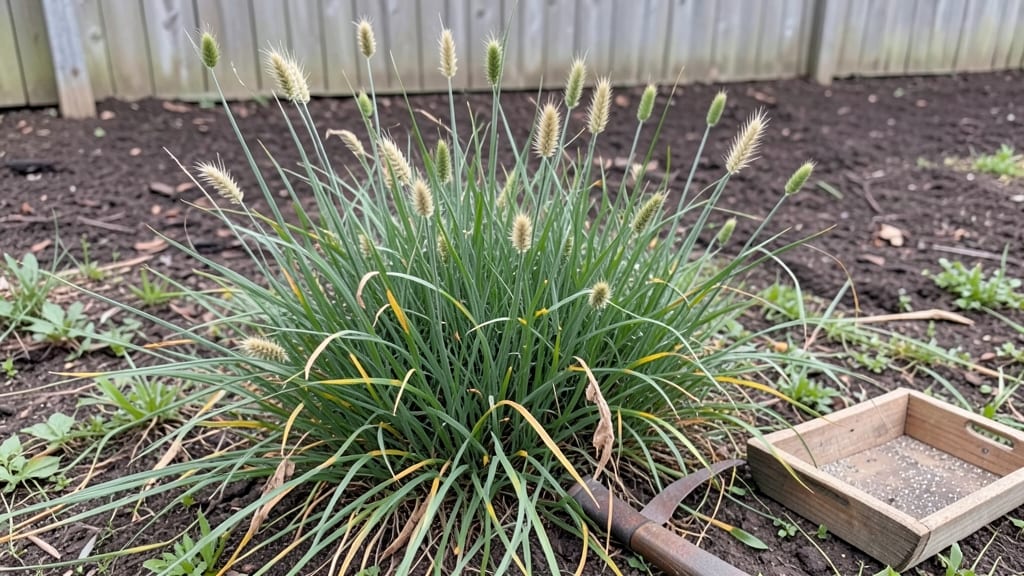
Harvesting grass seed at the right moment means the difference between a full seed head and a wasted crop. ✨ I learned this the hard way when I harvested too early—only to find most of the seed still immature and scattered by wind.
The key is watching for those telltale signs: seed heads turning golden-brown while still clinging tightly to the stems, yet easily separating with a gentle twist.
You’ll need basic tools: a sharp sickle or scythe for cutting, a tarp or canvas to catch falling seed, and a seed-cleaning screen or mesh bag to sift out debris.
Work on a dry, calm day—moisture makes seed stick to stems, while wind can turn your harvest into a flying mess. For larger patches, a reel mower set high can help prep the area before you begin.
The harvest itself is simple but requires patience: cut the seed heads when they’re fully mature but before they shatter, then spread them on your tarp to dry completely in the sun.
Once fully dry, rub the heads between your hands or run them through a screen to separate clean seed from chaff. Store in a cool, dry place—properly dried seed stays viable for years.
Common mistakes include harvesting too late (seed loss) or too early (immature seed), so always check a few heads first. For high-quality results, aim for a yield of at least 50% viable seed—any less, and you’ll need to replant.
With the right timing, you’ll end up with enough seed to restore patches or share with fellow gardeners.
📚 In This Guide
- What you need
- Instructions
- Tips and common mistakes
- Wrapping up and next steps
What you need
- ● Grass seed harvesting machine: A commercial-grade seed stripper or header (e.g., Alpina or Kuhn brands) for large fields, or a manual sickle bar mower for small plots (adjustable height: 2–4 inches).
- ● Tarp or seed bag: Heavy-duty 10x15 ft. canvas tarps (2–3 per acre) or 50–100 lb. capacity seed bags (5–10 per acre) to collect seed.
- ● String or twine: 100–200 ft. of 1/8-inch nylon twine for securing tarps or bundling seed heads.
- ● Work gloves: Heavy-duty leather gloves (e.g., Mechanix or Tough Outdoors) to protect hands from thorns and sharp edges.
- ● Pruning shears or scissors: Bypass pruners (8–10 inch blades) for hand-harvesting small batches.
- ● Ladder or step stool: 4–6 ft. aluminum ladder for reaching tall grass stands.
- ● Wheelbarrow or trailer: 3–4 cubic ft. capacity for transporting seed to drying/storage areas.
- ● Seed cleaning kit: Screen mesh (1/8–1/4 inch) and a portable fan blower for removing chaff post-harvest.
- ● Moisture meter: To check seed moisture levels (aim for 10–15% before storage).
- ● Sunflower or mesh bags: Breathable fabric bags for long-term seed storage (prevents mold).
- ● Knee pads: For comfort during hand-harvesting.
- ● Portable generator: If using electric tools in remote fields.
Step-by-Step instructions for harvesting grass seed
Here's the method I use to collect high-quality grass seed without losing yield or quality.
🌱 Step 1: Identify the Right Harvest Window
Grass seed is ready when 50-70% of the seed heads have turned golden-brown and the seed rattles inside when shaken gently. This usually happens 4-6 weeks after flowering, but timing varies by variety. Check daily during this window—harvesting too early means immature seed, while waiting too long risks seed loss from birds or weather.
I like to test a few seed heads by cutting them open. If the seed inside is plump and firm (not shriveled or hollow), it's ready. The ideal moment is when most seed heads are mature but a few remain green—this ensures you capture the bulk of the crop without sacrificing quality.
☀️ Step 2: Choose the Best Conditions for Harvesting
Harvest on a dry, calm day when humidity is low—this prevents seed from sticking together or molding. Early morning works best because dew has evaporated, but the sun hasn't heated the air too much. Avoid harvesting after rain, as damp seed heads attract mold and pests.
If you must harvest after rain, wait 24 hours to let the seed dry out. I spread a tarp over the area the night before to catch any falling seed—this keeps yield from being lost to wind or birds. Never harvest when the forecast calls for rain within 48 hours.
✂️ Step 3: Cut and Collect Seed Heads
Use sharp pruning shears or a sickle to cut seed heads at the base of the stem, leaving 1-2 inches of stalk. Work systematically, moving in rows to avoid missing patches. I bundle the cuttings into 3-foot sections and tie them with twine to keep them upright during drying.
Don't pull or yank the seed heads—this damages the plant and can uproot it. Instead, cut cleanly and leave the roots intact for future regrowth. If you're harvesting a large area, mark sections with flags to avoid over-cutting and ensure even coverage.
🪴 Step 4: Dry and Thresh the Seed
Lay the bundles in a well-ventilated, shaded area for 7-10 days, turning them daily to ensure even drying. The seed is ready when it easily separates from the seed head with a gentle rub between your fingers. If it still feels damp or sticky, extend the drying time.
Once dry, thresh the seed by rubbing the bundles between your hands or using a flail thresher. Spread the mixture on a clean tarp and winnow it by tossing it gently into the air—wind will carry away chaff, leaving the heavier seed behind. Repeat this process until you've separated as much seed as possible.
⏰ Step 5: Clean and Store the Harvested Seed
Sift the threshed seed through a fine mesh screen to remove any remaining debris. I use a 1/8-inch mesh for most grass seed varieties. Store the cleaned seed in a paper bag or breathable container in a cool, dry place. Label each bag with the variety and harvest date—seed viability drops after 1 year, so use older seed first.
For long-term storage, reduce moisture further by spreading the seed on a baking sheet and placing it in a low-temperature dehydrator (120°F) for 1-2 hours. This step isn't always necessary but extends shelf life significantly. Keep stored seed away from direct sunlight and pests.
Tips & tricks for perfect grass seed harvesting
A few key strategies will help you maximize yield and quality when collecting grass seed—these are the lessons I learned after years of trial and error.
The Timing Secret: In Step 1, when you're checking for that 50-70% golden-brown maturity, focus on the seed's sound rather than just color. A mature seed should rattle when shaken gently—this indicates it's fully developed inside. I've found that the best time to harvest is actually when 60-70% of heads are golden, not the lower end of the range. This gives you that sweet spot where most seed is mature but you haven't lost any to birds or weather yet.
Weather Watch: The 24-hour drying period after rain in Step 2 is crucial, but don't stop there. I've learned to check the forecast for 48 hours beyond harvest day—if rain is coming, delay your harvest. Even if the seed looks dry, rain can cause mold within 24 hours of harvest. I keep a small weather radio handy during harvest season to avoid this common mistake.
Drying Strategy: For the 7-10 day drying period in Step 4, I've found that elevating the bundles slightly (using bricks or cinder blocks) improves airflow underneath. This prevents mold from forming at the base where moisture collects. Also, if you're in a humid climate, you might need to extend drying to 12-14 days—just keep checking the seed's readiness by the gentle rub test until it separates cleanly.
Storage Wisdom: When storing your seed at 120°F for 1-2 hours in Step 5, I recommend doing this in small batches. Spread the seed on a single layer on the baking sheet—overcrowding can lead to uneven drying. After treatment, let the seed cool completely before storing. I've had the best luck with gallon-sized ziplock bags with the top twisted and taped shut—they're breathable enough for moisture control but keep pests out.
Pro Tips for Harvesting Grass Seed
- A few key strategies will help you maximize yield and quality when collecting grass seed—these are the lessons I learned after years of trial and error.
- The Timing Secret: In Step 1, when you're checking for that 50-70% golden-brown maturity, focus on the seed's sound rather than just color.
- Weather Watch: The 24-hour drying period after rain in Step 2 is crucial, but don't stop there.
Frequently asked questions
Got questions about harvesting grass seed? You’re not alone! Here are some of the most common concerns—plus quick, actionable answers to help you crush your yield.
When is the best time to harvest grass seed?
The ideal time depends on your grass type, but generally, harvest when 50-70% of the seedheads turn brown and begin to dry. For cool-season grasses (like Kentucky bluegrass or fescue), aim for late summer to early fall. Warm-season grasses (like Bermuda or zoysia) should be harvested in late summer or early autumn. Pro tip: Morning harvests reduce moisture, making drying easier!
How long does it take for grass seed to dry after harvesting?
Drying time varies by weather and grass type, but most seeds need 1-3 weeks in a well-ventilated, dry space (like a barn or garage). Spread seeds in a single layer on a tarp or screen to speed up the process. If humidity is high, consider using a seed dryer or dehumidifier. Watch for: Seedheads that rattle when shaken—signs they’re ready!
Can I harvest grass seed from my lawn, or do I need a dedicated field?
You can harvest from a lawn, but yield will be low (think ounces, not pounds). For serious harvesting, dedicate a 1/4-acre minimum of dense, healthy grass. Mow the field short (1-2 inches) before seedheads form to encourage uniform growth. Bonus: Rotate fields yearly to avoid soil depletion!
What should I do if birds or pests are eating my grass seed?
Birds and insects love fresh seed! Use bird netting over harvested areas or scare tactics like reflective tape. For pests, apply neem oil or diatomaceous earth early in the season. Avoid chemical pesticides—they can contaminate your seed. Quick fix: Harvest in stages to stay ahead of hungry critters!
How do I store harvested grass seed long-term?
Store seed in airtight, moisture-proof containers (like food-grade buckets) in a cool, dark place (50–60°F ideal). Add a desiccant packet to absorb humidity. Label containers with the harvest date—seed viability drops after 1–2 years. Test germination: Plant a small sample before full storage!
Wrapping up and next steps
Harvesting grass seed successfully boils down to timing, patience, and precision—but the rewards are worth it! Whether you're a farmer, landscaper, or hobbyist, mastering the right techniques ensures a bountiful yield and healthier turf.
Start small, practice, and don’t hesitate to experiment with different varieties to find what thrives in your climate.
Ready to take the next step? 🌱 Begin by testing a small patch of land, then scale up as you gain confidence. Happy harvesting—and may your fields be ever green! 🌿