
Diseases
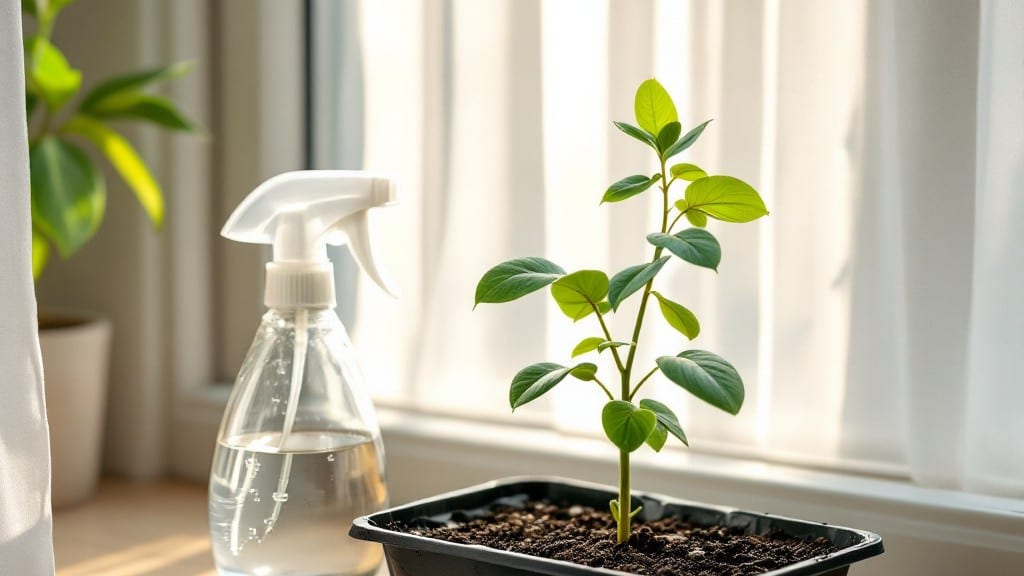
Mold on mango seeds isn’t just a setback—it’s a silent killer of your future seedlings if you don’t act fast. 🌱 I’ve lost entire batches to fuzzy white growth, but I’ve also saved seeds that looked hopeless with the right steps.
The key is catching it early and knowing exactly what to do next.
This happens when seeds sit too damp, in poorly ventilated containers, or when humidity traps moisture against them. Even a single day of neglect can turn a healthy seed into a moldy mess, but the good news?
Most seeds can still be rescued with proper drying, sterilization, and a little patience. I’ll show you how to spot the difference between salvageable and hopeless seeds.
You’ll learn to sterilize seeds with simple household items, dry them without cracking, and even use natural fungicides to prevent future outbreaks. By the end, you’ll have a foolproof method to revive seeds that would’ve been tossed—plus, tips to keep your next batch mold-free from day one.
Whether you’re dealing with a single seed or a whole tray, these steps work for any tropical seedling. Let’s turn that moldy situation into a success story before your next planting season.
The Hidden Triggers Behind Seed Spoilage
Mold creeping onto your mango seeds isn’t just an eyesore—it’s a silent signal that something went wrong during storage or handling. Understanding the root causes helps you prevent future losses and keep your seedlings healthy. Let’s break down the key factors that turn a viable seed into a moldy mess.
Mold thrives in damp conditions, and mango seeds are no exception. When seeds absorb excess moisture—whether from high humidity, improper drying, or even rain exposure—they create the perfect breeding ground for fungal spores. Here’s how it happens:
- Poor Drying: Freshly extracted mango seeds contain up to 50% moisture. If left to dry slowly (e.g., in a sealed plastic bag or humid climate), the center stays damp while the outer shell hardens—ideal for mold growth.
- Storage Mistakes: Storing seeds in airtight containers without desiccants (like silica gel) traps moisture, accelerating mold in as little as 3–5 days.
- Environmental Factors: Tropical or rainy climates (where mangoes grow) naturally have high humidity. Even a 70% humidity level can trigger mold if seeds aren’t pre-treated.
Pro Tip: 🌡️ After extracting seeds, spread them in a single layer in a well-ventilated, shady spot for 3–5 days until the outer shell feels dry to the touch. Aim for moisture levels below 10%—use a food dehydrator or fan if needed.
Mold spores are everywhere—on soil, tools, and even your hands. If seeds come into contact with contaminated surfaces or organic debris, spores latch on and multiply. Here’s how contamination spreads:
- Dirty Extraction: Using unsterilized knives, cutting boards, or hands can transfer spores from previous moldy seeds or compost.
- Soil or Compost Contact: Storing seeds in garden soil, compost bins, or unwashed fruit pulp introduces fungal pathogens like Aspergillus or Penicillium.
- Cross-Contamination: Reusing containers that once held moldy seeds or produce (e.g., plastic bags from grocery store mangoes) without cleaning.
Pro Tip: ✨ Before handling seeds, wash tools and surfaces with a 10% bleach solution (1 part bleach to 9 parts water). Wear gloves and avoid touching seeds with bare hands if you’ve handled moldy materials recently.
Extreme temperatures—whether too hot or too cold—stress seeds and weaken their natural defenses. Combined with stagnant air, this creates a mold paradise. Key culprits:
- Heat Stress: Storing seeds in direct sunlight or near heat sources (e.g., ovens, engines) raises their internal temperature, speeding up metabolic activity and attracting mold spores.
- Cold Damage: Refrigerating seeds long-term (below 40°F/4°C) can cause chilling injury, making them more susceptible to fungal attacks when later exposed to warmth.
- No Air Circulation: Sealed containers or tightly packed seeds block airflow, trapping moisture and CO₂—mold’s favorite conditions.
Pro Tip: 💡 Store seeds in a cool (60–70°F/15–21°C), dry place with indirect airflow, like a breathable cloth bag or ventilated box. Avoid basements or attics where temps fluctuate wildly.
Mangoes often carry pesticide residues from farming, which can linger on seeds and disrupt their natural antifungal properties. Some chemicals even promote mold growth by altering the seed’s pH or nutrient balance. Watch for:
- Systemic Fungicides: Some pesticides (e.g., thiabendazole) leave behind traces that create a nutrient-rich film on seeds, inviting mold.
- Wax Coatings: Commercial mangoes are often coated with synthetic waxes to preserve freshness—these can trapped moisture against the seed.
- Organic Debris: Leftover fruit pulp or fermentation byproducts (from overripe mangoes) provide food for mold colonies.
Pro Tip: 🚿 Rinse seeds thoroughly with water and a mild soap solution (like Castile soap) before drying. For heavy contamination, soak in a 1% hydrogen peroxide solution (3% food-grade H₂O₂ diluted with water) for 10 minutes to kill spores.
By addressing these four root causes—moisture, contamination, temperature, and chemical exposure—you’ll dramatically reduce the risk of mold ruining your mango seeds. Next, we’ll cover how to protect seeds proactively.
Quick Fixes for Fungal Troubles
Mold on your mango seed can feel like a setback, but don’t toss it just yet! The good news is that many cases of mold—whether from excess moisture, poor storage, or bacterial buildup—can be reversed with the right approach.
Below, we break down practical, step-by-step solutions tailored to the root cause, plus prevention tips to keep your seeds healthy for future planting.
Excess humidity or damp conditions create the perfect breeding ground for mold. Here’s how to revive a soggy seed without damaging it:
🌡️ Step 1: Air-Dry Gently
- Remove the seed from its current environment (plastic bag, damp paper towel, etc.).
- Pat it dry with a clean, absorbent paper towel to remove surface moisture.
- Place it in a well-ventilated area (like a sunny windowsill or a small fan’s airflow).
- Wait 24–48 hours, flipping it occasionally for even drying.
💡 Pro Tip:
If the seed feels squishy or smells musty, it may already be too far gone—start fresh with a new seed instead. A healthy seed should feel firm and slightly dry to the touch.
🌱 Step 2: Disinfect (If Needed)
If mold is visible, soak the seed in a 1:10 hydrogen peroxide solution (3% peroxide + water) for 5–10 minutes to kill surface fungi. Rinse thoroughly afterward.
When mold has taken hold, you’ll need a stronger cleanup to prevent it from spreading to your seedlings:
🧼 Step 1: Scrub & Soak
- Gently scrub the seed with a soft brush (like a toothbrush) and mild soap (e.g., Castile soap) to remove mold spores.
- Soak in a fungicide solution for 10–15 minutes:
- Option 1: 1 tsp vinegar + 1 cup water (natural antifungal).
- Option 2: 1 tsp baking soda + 1 cup water (alkaline balance).
- Option 3: Commercial fungicide (follow label instructions).
🔄 Step 2: Rehydrate Properly
After cleaning, don’t let it dry out completely—mold thrives in extremes.
Instead: - Wrap the seed in a damp (not wet) paper towel. - Store in a sealed plastic bag with a few silica gel packets (to absorb excess moisture). - Check daily—if the towel feels damp, let it air out for a few hours.
⚠️ Warning:
If the seed smells rotten or has black/green fuzzy spots, it’s likely too compromised to save. Discard it to avoid contaminating other seeds or soil.
Once your seed is mold-free, plant it correctly to avoid future issues:
🌱 Step 1: Pre-Sprout (Optional but Helpful)
- Place the seed between two damp paper towels in a sealed bag.
- Store in a warm, dark place (like a cupboard) for 3–5 days.
- Check daily—when a tiny root (radicle) appears, it’s ready to plant!
🏡 Step 2: Choose the Right Soil
- Use a light, sterile potting mix (avoid garden soil, which may contain pathogens).
- Add perlite or vermiculite (10–20%) to improve drainage.
- Sanitize containers with bleach (1:10 ratio) or boiling water before use.
💧 Step 3: Plant with Precision
- Plant the seed ½ inch deep, with the pointed end facing up.
- Water lightly (bottom-watering is best—place the pot in a tray of water for 10 mins, then drain).
- Cover with plastic wrap (to retain humidity) and place in indirect light (no direct sun yet!).
- Remove the wrap once sprouts appear (usually 7–14 days).
An ounce of prevention saves a pound of heartache! Follow these easy habits to protect your mango seeds long-term:
🌡️ Storage Best Practices
- Dry seeds completely before storing (use a dehydrator or sun-drying for 2–3 days).
- Store in an airtight container with a moisture absorber (like rice or silica gel).
- Keep in a cool, dark place (fridge or pantry—not the freezer).
- Label seeds with dates—mango seeds lose viability after 6–12 months.
🌱 Planting Hygiene
- Wash hands before handling seeds (oils from skin can promote mold).
- Use sterilized tools (pruners, scissors) when cutting seeds open.
- Avoid overwatering—let the top 1 inch of soil dry out between waterings.
- Rotate seeds if storing long-term (prevents uneven moisture buildup).
🌿 Soil & Environment Control
- Test soil pH (ideal for mango: 5.5–7.0). Too acidic?
Add lime. - Improve drainage—raise pots on feet or use self-watering pots. - Monitor humidity—use a hygrometer to keep levels 40–60%. - Quarantine new seeds for 1–2 weeks before planting with others.
Not every seed can be saved, and that’s okay! Discard seeds if you see: ✅ Soft, mushy texture (sign of internal rot). ✅ Strong, foul odor (ammonia-like or sour). ✅ Mold spreading beyond the seed (e.g., to the paper towel or container).
Instead, focus on prevention—your next batch of mango seeds will thank you! 🌱✨
Frequently asked questions
Can I still plant a mango seed with mold?
Only if the mold is superficial and the seed feels firm. Gently scrub the seed with a soft brush and mild soap, then soak it in a 1:10 hydrogen peroxide solution for 5-10 minutes to kill spores. If the seed smells rotten or has deep black/green spots, discard it—mold may have compromised the seed's viability.
How do I know if my mango seed is too moldy to save?
Look for these red flags: a mushy texture, foul odor (like ammonia or sourness), or mold spreading beyond the seed itself. If the seed cracks easily or has fuzzy growth covering more than 25% of its surface, it's best to start fresh with a new seed. Never risk planting compromised seeds—they'll contaminate your soil.
What's the fastest way to dry mango seeds to prevent mold?
Spread seeds in a single layer on a well-ventilated tray (like a mesh screen) and place them in direct sunlight for 2-3 hours. For faster results, use a food dehydrator at 95°F (35°C) for 6-8 hours. Check daily—they're ready when the outer shell feels dry to the touch and no longer sticks to your fingers.
Will vinegar or baking soda really kill mold on seeds?
Yes! Both work as natural fungicides. For vinegar, mix 1 teaspoon apple cider vinegar with 1 cup water and soak seeds for 10 minutes. For baking soda, use 1 teaspoon baking soda per cup of water—soak for 15 minutes. Rinse thoroughly afterward. These methods disrupt mold spores' cell walls without harming the seed.
Can I store mango seeds in the refrigerator to prevent mold?
Avoid refrigeration—temperature fluctuations and high humidity in fridges can actually encourage mold growth. Instead, store seeds in a cool (60-70°F/15-21°C), dry place like a pantry, with a moisture absorber (like silica gel or uncooked rice). Label them and use within 6-12 months for best germination rates.