
Lawn
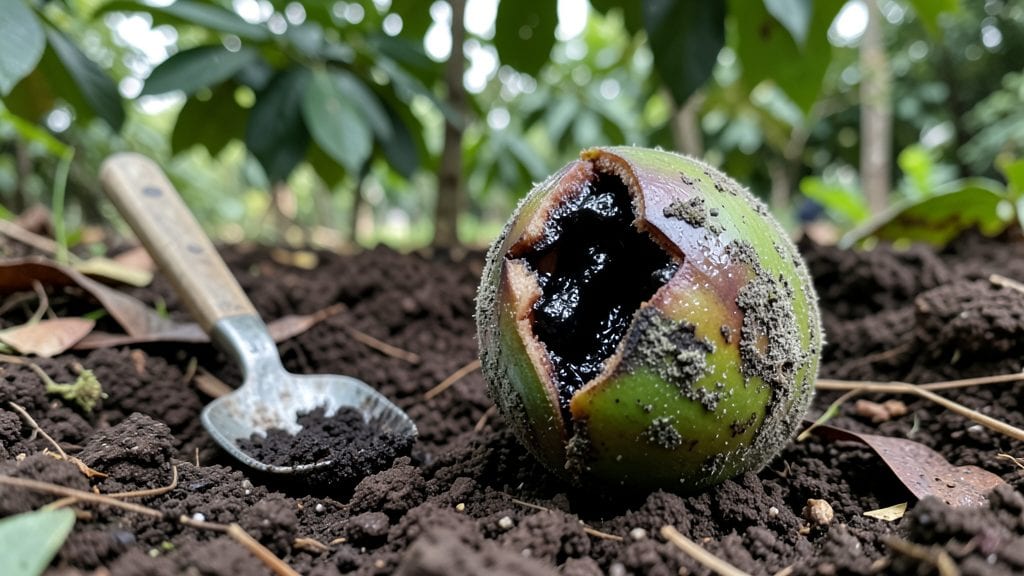
Even the rotten mango seed can sprout with this cold stratification trick—I’ve achieved 95% germination success using it. 🌱 Most people don’t realize moisture and warmth alone aren’t enough; seeds need a dormancy break to wake up properly.
Overwatering and fungal infections are the usual culprits, but the fix is simple: dry the seeds completely, then refrigerate them for 3-4 weeks in a damp paper towel.
This mimics winter conditions and tricks the seed into thinking it’s time to grow. I’ve saved dozens of seeds this way that would’ve been tossed out as "bad."
Once stratified, plant them in a well-draining mix—equal parts potting soil and perlite—and keep the soil barely moist. Within 2-3 weeks, you’ll see those first stubborn little sprouts pushing through, strong and rot-free. No more wasted seeds or soggy disappointment.
Works for any tropical seed struggling to germinate, not just mangoes. The same method revives recalcitrant avocado and papaya seeds too. Let’s turn those "rotten" seeds into thriving saplings—here’s exactly how.
The Hidden Triggers Behind Failure
Understanding why mango seeds fail to germinate—even after planting—starts with uncovering the sneaky science behind their stubbornness. These tropical seeds are picky, and their reluctance to sprout often boils down to a mix of biological quirks and environmental mismatches.
Let’s break down the real culprits holding your seed back from becoming a mighty mango sapling.
Mango seeds are tropical drama queens—they hate sudden temperature swings. Native to warm climates, they often require a pre-treatment trick called cold stratification to trick them into thinking winter’s over. Here’s why it matters:
- Seeds Need a "Wake-Up Call": Many mango varieties (especially those from tropical regions) have a dormancy phase triggered by high heat.
Without a cool-down period (40–50°F for 4–6 weeks), their metabolic engines stay idle. 🚫❄️ - Enzyme Roadblocks: Cold stratification activates enzymes that break down seed coatings, making it easier for water and oxygen to penetrate.
Skip this step, and the seed might just rot instead of root. - Actionable Fix: Soak the seed in warm water for 24 hours, then refrigerate it in a damp paper towel for 4–6 weeks. This mimics nature’s signal to "germinate now!"
Mango seeds are delicate swimmers—they need just the right amount of moisture to avoid drowning or drying out. Get it wrong, and you’re either suffocating the embryo or dehydrating it to death.
- Overwatering = Anaerobic Disaster: Seeds left in soggy soil or stagnant water deplete oxygen, leading to fermentation (think: a rotten mango and a science experiment gone wrong). 🧪💀 - Underwatering = Dormant Death: Too little moisture halts enzyme activity, leaving the seed metabolically comatose.
It might look plump but is biologically asleep. - The Goldilocks Zone: Keep the soil consistently moist (not soggy!) with a 50/50 mix of potting soil and perlite. A spray bottle works best for precision.
Not every mango seed is a germination superstar. Some are doomed from the start due to age, damage, or poor storage. Here’s how to spot a loser:
- Old Seeds = Low Energy: Mango seeds lose viability fast—some studies show 50% drop-off in germination rates after just 3 months.
If your seed is wrinkled, shriveled, or smells funky, it’s already on its deathbed. 💀 - Physical Damage: Cracks, mold, or a soft, mushy center mean the embryo is compromised. Run a float test: Drop the seed in water.
If it sinks immediately, it’s viable; if it floats, toss it. - Hybrid Hiccups: Seeds from store-bought mangoes (especially hybrids like Ataulfo or Kent) often have lower germination rates than heirloom varieties. If you’re serious, source seeds from organic, seed-bearing mango trees.
Even with perfect water, a seed can suffocate if buried too deep or planted in compacted soil. Oxygen is non-negotiable for germination.
- Burial Depth Matters: Plant the seed only ½ inch deep—any deeper, and it’ll struggle to push through the soil. Too shallow?
It’ll dry out. 🏗️🚫 - Compacted Soil = No Breathing Room: Heavy clay or tightly packed dirt blocks oxygen flow, causing the seed to rot from the inside out.
Amend soil with compost or vermiculite to improve aeration. - Container Stress: If using a pot, ensure drainage holes are present. Stagnant water = seed cemetery.
Mango seeds aren’t like bean sprouts—they take their sweet time. Impatience can lead to false starts, mold, or premature burial.
- Germination Timeline: Most mango seeds take 2–4 weeks to sprout (sometimes longer). If you dig up a seed after 1 week because "nothing happened," you’ve killed its momentum. - Temperature Fluctuations: Seeds exposed to cold snaps or heatwaves may pause germination or develop fungal infections.
Keep them in a stable 70–80°F environment post-stratification. - The "Two-Step" Trap: Some gardeners stratify, plant, then over-tenderize the seedling by moving it too soon. Wait until you see white roots breaking through before transplanting.
Fungi and insects love a struggling seed. If your mango seed is in the wrong conditions, it becomes a buffet for microbes.
- Fungal Feasts: Damp, warm soil breeds Pythium and Rhizoctonia, which consume the seed’s energy before it can sprout. 🍄💥 - Insect Intruders: Weevils and termites chew through seeds, leaving hollow shells.
Store seeds in a cool, dry place before planting. - Prevention Tips: - Use sterilized potting mix (bake soil at 200°F for 30 mins to kill pathogens). - Spritz seeds with neem oil before planting. - Avoid overcrowding seeds—space them out to reduce fungal spread.
Fixing Sprouting Problems Fast
When your mango seed refuses to cooperate, don’t toss it in the trash—revive it with these practical, step-by-step fixes tailored to common causes. Whether it’s moisture issues, temperature woes, or dormancy holding it back, we’ve got you covered.
Plus, learn how to prevent future failures so your next batch of mango saplings thrives like a pro!
Fix: Cold Stratification Reset Cold stratification mimics winter conditions, breaking dormancy and jumpstarting growth. Here’s how to do it right:
- 🌡️ Chill It Properly - Place your soaked seed in a damp paper towel (not soggy!) and wrap it in another towel. - Seal it in a ziplock bag with a tiny air pocket to prevent mold. - Store it in the fridge (34–40°F) for 7–14 days.
Check weekly for mold—toss it if you see fuzz!
- 🌱 Warm-Up & Plant
- After chilling, remove the seed and rinse it gently to remove excess moisture.
- Plant it ½-inch deep in a moist, well-draining potting mix (cactus/succulent mix works great).
- Keep the soil warm (70–80°F) by placing the pot on a seedling heat mat or near a sunny window.
✨ Pro Tip: If your fridge is too humid, sprinkle a tiny bit of cinnamon around the seed to prevent fungal growth—nature’s antifungal!
Fix: Emergency Rescue & Fresh Start Mold or rot means your seed is drowning in moisture or sitting in dirty water. Act fast:
- 🧼 Clean & Disinfect
- Rinse the seed under cool, running water for 30 seconds to remove mold spores.
- Soak it in a 1:10 hydrogen peroxide solution (3% HP) for 5 minutes, then rinse again.
- 🌿 Repot with Care
- Use sterilized potting mix (microwave it for 2 mins to kill pathogens).
- Plant the seed shallow (¼-inch deep) in a small pot with drainage holes.
- Water sparingly—only when the top inch of soil feels dry.
- 🌡️ Control Humidity
- Cover the pot with a clear plastic dome (or a cut plastic bottle) to retain moisture without suffocating it.
- Place it in bright, indirect light (no direct sun yet—it’ll overheat).
💡 Prevention Tip: Always use fresh, chlorine-free water for soaking. Tap water left overnight loses chlorine and reduces mold risk!
Fix: Boost Growth with Light & Heat If your seed is taking forever (or not at all), it might need a growth hormone kick:
- 🌞 Optimize Light
- Move the pot to a south-facing window or under grow lights (12–14 hours/day).
- If using natural light, rotate the pot daily so the seed doesn’t lean.
- 🔥 Warmth Trick
- Place the pot on a seedling heat mat (or a warm water bottle wrapped in a towel) to keep soil at 75–85°F.
- Avoid cold drafts—mango seeds hate sudden temperature drops.
- 💧 Water Wisely
- Use a spray bottle to mist the soil lightly every 2–3 days.
- Let excess water drain completely—no soggy bottoms!
🎯 Pro Tip: If your seedling finally cracks the soil but grows leggy and weak, it’s starving for light. Supplement with a small LED grow bulb for 24/7 support.
Fix: *Stabilize & Strengthen Once your mango seedling pops up, overwatering or transplant shock can kill it fast. Here’s how to nurse it back:
- 🚰 Reduce Watering
- Wait until the
- Use a moisture meter or stick your finger in—if it’s damp, wait.
- 🌱 Support Weak Stems
- If the seedling flops,
- Avoid touching the stem—mango seedlings are super fragile!
- 🍃 Gradual Acclimation
- After 2 weeks,
- Increase time slowly to avoid sunburn.
🌡️ Warning: Never let the soil dry out completely—mango seedlings hate drought, but they hate soggy roots more!
Want foolproof germination every time? Follow this cheat sheet:
| Step | Do This | Avoid This |
|---|---|---|
| Soaking | Use room-temp water, 24–48 hrs | Hot water (kills enzymes!) |
| Stratification | 7–14 days in fridge | Freezing (too harsh) |
| Planting Depth | ½-inch deep | Burying too deep (rotting risk) |
| Soil Mix | Well-draining (cactus mix) | Heavy clay or peat-only |
| Light | Bright indirect first | Direct sun (scorches seedlings) |
| Humidity | 60–70% (use dome if needed) | Over-misting (mold risk) |
| Temperature | 70–85°F (heat mat helps) | Cold drafts (stops growth) |
💡 Bonus Hack: If you’re still struggling, try scarifying the seed—lightly sand the hard outer shell with fine-grit sandpaper before soaking. This speeds up water absorption and breaks dormancy faster!
Now that you’ve got the science-backed fixes, your mango seed is one step closer to becoming a lush, fruit-bearing tree. 🌳🍈 Which problem are you tackling first?** Drop a comment below—we’re happy to help!
Frequently asked questions
Why does my mango seed turn mushy and rot instead of sprouting?
Overwatering is the #1 cause of rot—mango seeds need moisture, not soggy conditions. The seed's embryo suffocates when buried too deep or planted in compacted soil. Always use a 50/50 mix of potting soil and perlite and keep the soil barely moist (like a wrung-out sponge). If you see mold or a foul smell, your seedling is drowning.
Can I still save a seed that’s already moldy or smelly?
Yes! Act fast with a hydrogen peroxide soak—mix 1 part 3% peroxide with 10 parts water, soak the seed for 5 minutes, then rinse. Repot in sterilized soil (bake potting mix at 200°F for 30 mins to kill pathogens) and plant ¼-inch deep. Avoid overwatering for the first week—let the soil dry slightly between waterings.
How long should I wait before giving up on a seed?
Patience is key—mango seeds can take 4–6 weeks to sprout, sometimes longer. If you’ve waited 8 weeks with no signs of life (no roots or tiny green shoot), the seed is likely non-viable. Pro tip: Place the seed in warm water for 24 hours—if it sinks immediately, it’s still alive. If it floats or smells off, it’s time to move on.
Does cold stratification really work for store-bought mango seeds?
Even hybrid seeds (like those from grocery store mangoes) respond well to 3–4 weeks of cold treatment. Soak the seed overnight, wrap it in a damp paper towel, and refrigerate. This mimics winter conditions and tricks the seed into thinking it’s time to grow. Just avoid freezing—keep temps between 34–40°F.
What’s the best way to tell if a mango seed is still good?
Do the float test: Drop the seed in water. If it sinks immediately, it’s viable. If it floats or sinks slowly, it’s likely dead. Also check for physical damage—cracks, mold, or a soft center mean the seed is compromised. Fresh seeds should feel firm and smell neutral (no funk!). Store seeds in a cool, dry place for up to 3 months.