Orchid Care
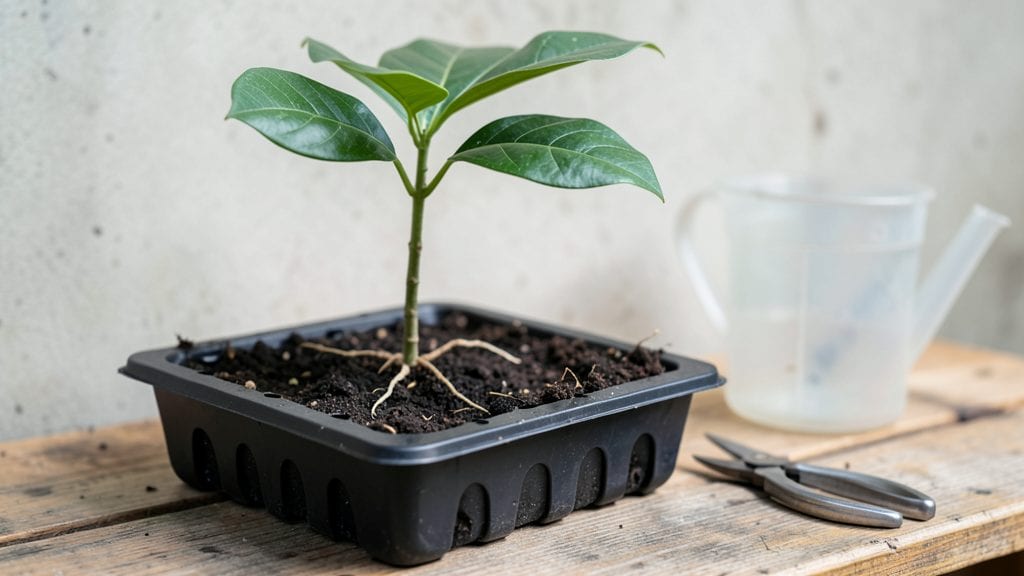
The joy of mango seedling care transforms a simple pit into a thriving tree, and the secret lies in those early, tender steps—soil that drains like a desert but holds moisture like a sponge, sunlight that mimics their tropical roots, and patience that rewards you with glossy leaves before the first blossoms.
The biggest mistake beginners make is treating them like houseplants—mangoes need space, heat, and a rhythm that feels more like a greenhouse than a backyard.
You’ll need well-draining soil mixed with sand or perlite to prevent root rot, a pot at least 12 inches deep (or direct planting in frost-free zones), and a spot that gets 6+ hours of sun daily.
Watering is the trickiest part: keep the soil consistently moist but never soggy—think of it like a wrung-out sponge. In cooler climates, you’ll need to overwinter seedlings indoors near a bright window or under grow lights, which can be a game-changer for survival.
The first year is all about building strong roots, not fruit—so resist the urge to harvest anything that might appear.
By the time your seedling hits 2-3 feet tall, you’ll notice new leaves that smell faintly citrusy and branches that start to form. Prune only to shape or remove dead growth, never to force size—this is where most growers rush and end up with leggy, weak trees.
The real magic happens in years 3-5, when you’ll finally see those first creamy-white blossoms, but the foundation you build now determines whether your mango tree thrives or struggles. Even in small spaces, a dwarf variety can fit the bill if you’re patient.
Here’s the thing—mangoes are forgiving if you catch mistakes early, but they’re unforgiving if you neglect them. Start with a seedling in a 5-gallon container, and within a year, you’ll have a plant ready to transplant outdoors (if your climate allows).
The payoff? A tree that could live for decades, bearing fruit that tastes nothing like what you’ve ever bought in a store. Let’s get those roots growing strong.
📚 In This Guide
- What you need
- Instructions
- Tips and common mistakes
- Wrapping up and next steps
What you need
- ● Mango seeds: 1–3 fresh, viable seeds (harvested from a ripe, organic mango). Pro tip: 💡 Use seeds from disease-free fruit for healthier seedlings!
- ● Seed-starting mix: 1–2 gallons of sterile, well-draining potting soil (e.g., coconut coir + perlite blend, 70:30 ratio).
- ● Planting containers: 1–2 small pots (4–6 inches in diameter) for germination.
- ○ 1–2 larger pots (10–12 inches) or a nursery bed for seedling growth (optional: biodegradable peat pots).
- ● Watering can or spray bottle: With a fine mist nozzle for gentle hydration.
- ● Humidity dome or plastic wrap: To retain moisture during germination.
- ● Grow lights or sunny window: A south-facing window or LED grow lights (12–16 hours/day) for 6+ weeks.
- ● Fertilizer: Balanced liquid fertilizer (e.g., 10-10-10 NPK, diluted to half-strength) for seedlings.
- ● Pruning shears: Small, sharp pair for trimming excess growth.
- ● Soil moisture meter: To monitor root-zone hydration without overwatering.
- ● Rooting hormone: For faster germination (e.g., powder or gel).
- ● Mulch: Organic mulch (e.g., shredded leaves) to retain soil moisture.
- ● Support stakes: For young seedlings (3–4 feet tall) to prevent bending.
- ● pH test kit: To ensure soil pH is ideal (6.0–7.5 for mangoes).
- ● Pest control: Neem oil or insecticidal soap for early pest prevention.
Step-by-step instructions for mango seedling care
Here's the straightforward approach I've used to nurture mango seedlings into thriving trees.
Prepare the Ideal Growing Environment
Mango seedlings thrive in warm, humid conditions that mimic their tropical origins. Place your seedling in a location with 70-85°F temperatures—any cooler than 65°F slows growth dramatically. A south-facing window provides the best natural light, but supplement with a grow light if your climate doesn't offer enough sunlight. You'll notice new leaves emerging within 3-4 weeks if conditions are right.
Use a well-draining potting mix to prevent root rot—a common killer of young seedlings. The mix should feel slightly damp but not soggy when squeezed. If your soil stays wet for more than 24 hours, it's too dense. Repot into a 5-gallon container when roots fill the current space, which usually happens within 6-12 months. This gives roots room to expand without becoming root-bound.
Water and Fertilize for Healthy Growth
Water your mango seedling once a week, allowing the top 2 inches of soil to dry out between waterings. Overwatering is the fastest way to lose a young tree—yellowing leaves signal excess moisture. Instead, water deeply until it drains from the bottom, then empty the saucer to prevent standing water. You'll see strong, vibrant growth when leaves stay a deep green color.
Start fertilizing 3 months after germination with a balanced, water-soluble fertilizer (10-10-10 ratio). Apply every 4-6 weeks during the growing season, diluting to half-strength to avoid burning tender roots. Reduce fertilization in winter when growth slows. Prune leggy stems back by one-third to encourage bushier growth—this keeps the plant compact and prevents weak, floppy branches.
Monitor for Pests and Adjust Light Exposure
Check the undersides of leaves weekly for scale insects, mealybugs, or spider mites—common pests that drain sap from young seedlings. Wipe leaves with a damp cloth to remove pests manually, or treat with neem oil if infestations appear. Avoid chemical pesticides, as they can harm the delicate foliage. You'll notice pests first as sticky residue on leaves or tiny webs between branches.
If your seedling grows tall and spindly, it needs more light. Move it closer to the window or increase grow light exposure to 12-14 hours daily. Leggy growth happens when seedlings stretch toward light sources, weakening stems. Rotate the pot quarter-turn weekly to ensure even growth. Once the seedling reaches 3 feet tall, it's ready for outdoor acclimation—if your climate allows.
Transition to Outdoor Conditions (If Applicable)
If you live in a USDA Zone 10 or warmer, you can transplant outdoors after 12 months of indoor growth. Choose a spot with full sun exposure and well-draining soil. Harden off the seedling by placing it outside for 2 hours daily, gradually increasing time over 2 weeks. Watch for wilting or leaf drop—signs it's adjusting too quickly. Mulch the base with 2-3 inches of organic mulch to retain moisture and regulate soil temperature.
Mango trees are sensitive to cold drafts, so avoid transplanting during windy conditions. In cooler climates, keep the seedling indoors until it's large enough to survive winter temperatures. A heat lamp can help simulate tropical warmth during chilly months. With patience, your seedling will grow into a productive tree—just remember, fruiting can take 5-10 years, but the journey is rewarding.
Tips & tricks for perfect mango seedling care
Here’s how to avoid common pitfalls and give your mango seedling the best possible start toward becoming a thriving tree.
Temperature Matters: The 70-85°F range is non-negotiable for healthy growth. If your home dips below 65°F, consider using a small space heater near the plant—just keep it away from leaves to avoid scorching. I’ve seen seedlings stall completely when kept in cooler rooms, so monitor closely, especially in winter. A simple digital thermometer near the plant helps track conditions without guesswork.
Soil Consistency Check: When testing your potting mix, squeeze a handful—it should hold its shape but crumble easily when pressed. If it stays clumped for more than 24 hours after watering, add perlite or coarse sand to improve drainage. I learned this the hard way after losing two seedlings to root rot from overly dense soil. The goal is moisture retention without suffocation.
Light Exposure Strategy: If your seedling starts stretching toward the light (a sign of legginess), it’s begging for more intensity. Place it within 12 inches of a south-facing window or under a grow light for 12-14 hours daily. Rotate the pot weekly to prevent uneven growth—this simple habit keeps stems sturdy and prevents the plant from leaning toward one light source.
Fertilizer Timing: The 3-month mark before first fertilization is crucial—young roots are delicate and can’t handle nutrients too soon. When you do start, always dilute that 10-10-10 fertilizer to half-strength. I’ve seen seedlings burn completely from over-fertilizing, so less is more during the early stages. Winter slowdown is real: reduce feeding to every 8-10 weeks when growth pauses.
Pro Tips for Mango Seedling Care
- Here’s how to avoid common pitfalls and give your mango seedling the best possible start toward becoming a thriving tree.
- Temperature Matters: The 70-85°F range is non-negotiable for healthy growth.
- Soil Consistency Check: When testing your potting mix, squeeze a handful—it should hold its shape but crumble easily when pressed.
Frequently asked questions
Got questions about nurturing your mango seedling into a thriving tree? We’ve got answers! Here are some of the most common concerns—plus quick fixes to keep your little sapling on the fast track to fruiting success.
How long does it take for a mango seedling to grow into a fruit-bearing tree?
A mango seedling typically takes 3 to 6 years to bear fruit, depending on the variety, climate, and care. Patience is key—focus on strong root development and proper pruning in the early years to speed up maturity.
Can mango seedlings survive cold weather?
Mango seedlings are tropical and struggle below 40°F (4°C). If you live in a colder zone, grow them in containers and bring them indoors during winter or plant them near a warm wall. Young trees are especially vulnerable—wrap the trunk in burlap for extra protection.
How often should I water a mango seedling?
Keep soil consistently moist (not soggy) for the first year, watering 2–3 times per week in hot climates. Once established, reduce to once a week, letting the top inch of soil dry out between waterings. Overwatering can rot roots—always check with your finger!
What pests should I watch for in mango seedlings?
Common threats include aphids, mealybugs, and scale insects. Inspect leaves regularly for sticky residue or tiny bugs. Treat infestations with neem oil or insecticidal soap. For severe cases, prune affected branches and dispose of them far from the tree.
Can I grow a mango tree from a grocery store mango seed?
Yes! But expect unpredictable results—store-bought seeds may not produce fruit identical to the parent tree (or any fruit at all). For reliable varieties, buy grafted seedlings from a nursery. If you’re experimenting, save seeds from organic, heirloom mangoes for better odds.
What if my mango seedling’s leaves turn yellow?
Yellow leaves often signal overwatering, nutrient deficiency, or fungal issues. Adjust watering, fertilize with a balanced citrus/mango fertilizer, and ensure good drainage. If spots appear, treat with copper fungicide. Don’t panic! Many seedlings recover with quick fixes.
Wrapping up and next steps
Caring for a mango seedling is a rewarding journey that connects you to nature’s sweetest gifts! 🌱 With the right light, soil, water, and patience, you’ll nurture a thriving tree that could one day bear delicious fruit.
Remember, consistency is key—whether you’re adjusting humidity, pruning, or protecting against pests, each step builds a stronger foundation for your tropical treasure.
Now that you’re armed with knowledge, take the next step: plant your seedling in a sunny spot, monitor its progress, and enjoy the process. Happy growing—your future mango harvest starts today! 🍈✨