Vegetables
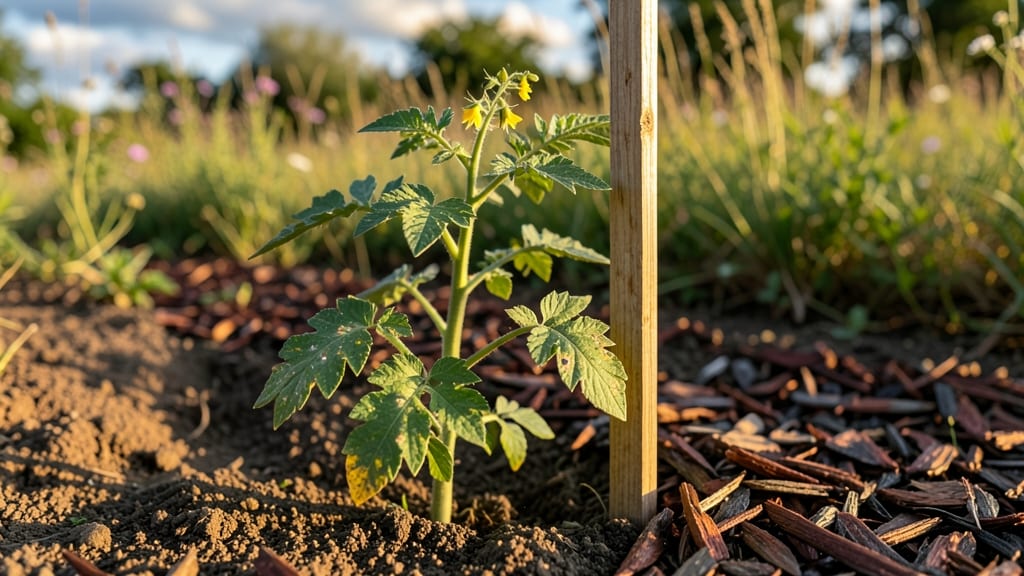
Tomato seedlings getting sunburned leaves isn't just unsightly—it stalls growth and stresses plants before they even hit the garden. 🌱 I’ve seen healthy seedlings turn white and crispy overnight when moved too fast from shade to full sun, and the fix is simpler than you’d think.
The key is gradual exposure, not shock treatment, so your plants toughen up without freaking out.
Sunburn happens when seedlings can’t handle intense midday rays after weeks of gentle light. Those bleached patches aren’t just cosmetic—they slow photosynthesis, leaving plants weak and vulnerable. The good news?
A little shade cloth or morning sun only goes a long way toward preventing it, and recovery is just as straightforward with the right care.
You’ll have seedlings that look like they’re thriving in no time—dark green, sturdy, and ready for transplant. The trick is patience: start with just a few hours of sun a day, then slowly increase exposure over 7-10 days.
Proper watering (keep soil moist but not soggy) keeps leaves from crisping up, and a little afternoon shade on hot days makes all the difference.
This works for any tomato variety, whether you’re growing heirlooms or hybrids, and the same principles apply to peppers and eggplants too. Once you master the gradual approach, you’ll never see those telltale white patches again—just strong, sun-loving plants that hit the ground running.
Why it happens
H2: When Seedlings Get Too Much Sun
Tomato seedlings are delicate little powerhouses—packed with potential but vulnerable to even the gentlest environmental shifts. When they’re exposed to intense sunlight too early or without proper acclimation, their tender leaves can develop unsightly sunburn, leaving behind pale, crispy patches or even full-blown leaf scorch.
But why does this happen? Let’s break it down into the key culprits behind seedling sun damage, so you can protect your future harvest before it’s too late.
🌡️ Overheating From Direct Sunlight
Sunburn in seedlings isn’t just about UV rays—it’s also about heat stress. Young tomato plants have minimal chlorophyll and underdeveloped protective wax layers on their leaves compared to mature plants. When exposed to midday sun (10 AM–4 PM), temperatures can soar to 100°F (38°C) or higher, causing:
- Cell membrane damage: Excessive heat disrupts the lipid bilayers in plant cells, leading to leakage of vital nutrients and eventual cell death.
- Photosynthesis shutdown: The enzyme RuBisCO (critical for converting CO₂ to sugar) becomes denatured at high temps, halting growth.
- Water loss acceleration: Tiny seedlings have shallow root systems and can’t replace moisture fast enough, causing wilting and browning at the edges.
Pro tip: If your seedlings are in a south-facing window or greenhouse, watch for white or yellow patches on leaves—this is your first warning sign of heat stress. 🌡️
🌱 Poor Acclimation (The "Sun Shock" Factor)
Tomato seedlings thrive in low-light conditions indoors (like under grow lights or in a shady spot). When you suddenly move them to full sun outdoors, their leaves lack the protective pigments (like anthocyanins) to shield against UV radiation. This abrupt transition causes:
- UV-B radiation damage: While UV-B helps plants produce vitamin D, excess exposure breaks down DNA and proteins, leading to bleached or necrotic spots.
- Stunted cuticle development: The waxy cuticle layer (a plant’s natural sunscreen) takes 7–10 days to thicken after transplanting. Until then, leaves are highly susceptible to sunburn.
- Oxidative stress: Sunlight triggers reactive oxygen species (ROS), which oxidize cell components if antioxidants (like glutathione) aren’t present in high enough levels.
Actionable fix: Harden off seedlings gradually—start with 1–2 hours of morning sun and increase by 1 hour daily over a week. Avoid afternoon sun entirely until they’re fully adapted. ✨
💧 Inadequate Water or Soil Stress
Sunburn isn’t just about sunlight—it’s often worsened by dehydration. When seedlings are underwatered or planted in poorly draining soil, their ability to transpire (release moisture) is compromised. This creates a double whammy:
- Reduced stomatal function: Stomata (tiny leaf pores) close under drought stress to conserve water, but this also traps heat inside leaf tissues.
- Nutrient imbalance: Dry soil limits nitrogen and potassium uptake, weakening the plant’s osmotic regulation (its ability to manage water pressure).
- Salt buildup: If you’re using tap water with high mineral content, residual salts can crust on leaf surfaces, acting like a magnifying glass to focus sunlight and burn tissue.
Quick test: Gently tug on a seedling—if the soil clumps heavily or the leaves feel crispy to the touch, it’s time to water deeply (but avoid overhead spraying in hot sun). 💧
🌿 Transplant Shock + Environmental Factors
Even if you’ve hardened off seedlings correctly, wind, reflective surfaces, or nearby heat sources can turn a mild sun exposure into a disaster. Key triggers include:
- Albedo effect: Light-colored soil, concrete, or mulch can reflect up to 30% of sunlight, effectively doubling the UV/heat exposure on seedlings.
- Wind desiccation: Moving air increases evaporation rates by up to 50%, dehydrating leaves faster than still air.
- Greenhouse overheating: Plastic or glass traps heat like an oven. Temperatures inside can hit 120°F (49°C) on sunny days, cooking seedlings alive.
Shade solution: Use floating row covers or 50% shade cloth for the first 3–5 days after transplanting. For reflective surfaces, try black mulch fabric to absorb (not reflect) heat. 🌿
Quick Fixes for Damaged Seedlings
Now that you understand the root causes of tomato seedling sunburn, let’s tackle the problem head-on with practical, actionable solutions. The good news? Most fixes are simple and require minimal tools—just a little know-how and care.
Below, we’ll map common causes to their fixes, along with prevention tips to keep your seedlings thriving.
---
Fix: Gradually acclimate seedlings to sunlight and provide shade when needed.
1. 🔥 Move seedlings to partial shade If your seedlings are already showing signs of sunburn (bleached patches, crispy edges, or wilting), relocate them to a spot with dappled sunlight or 50% shade cloth. Avoid harsh midday sun for at least a week while they recover.
2. 🍳 Adjust watering habits Sunburned seedlings are more vulnerable to dehydration. Water deeply in the morning (before the sun peaks) to keep soil moist but not soggy. Use a spray bottle for gentle hydration if leaves are severely damaged.
3. 👨🍳 Use reflective surfaces (for indoor setups) If growing indoors near a sunny window, place a white reflective tray or aluminum foil under the pots to bounce light upward. This diffuses intensity while still providing light.
💡 Prevention tip: Start seedlings indoors under grow lights (12–16 hours/day) or in a north-facing window before transplanting outdoors. Harden them off gradually by moving them outside for 1–2 hours daily, increasing exposure over 7–10 days.
---
Fix: Stabilize the growing environment and protect seedlings from heat stress.
1. 🌡️ Provide afternoon shade If temperatures soar above 85°F (29°C), use shade cloth (30–50% coverage) or a lightweight row cover to block intense afternoon rays. Even a white umbrella works in a pinch!
2. ✨ Boost humidity (naturally) Sunburn is worse in dry conditions. Group seedlings closely together to create a microclimate, or mist leaves early in the morning with room-temperature water. Avoid wetting foliage at night to prevent fungal issues.
3. 🎯 Mulch the soil Apply a 1–2 inch layer of straw or grass clippings around seedlings to insulate roots and retain moisture. This also keeps soil temps cooler.
💡 Prevention tip: Monitor your local heat advisories and plan transplanting for early morning or late evening on cooler days. Avoid planting during heatwaves—wait until temps drop below 80°F (27°C).
---
Fix: Handle seedlings with care and optimize their new environment.
1. 🔪 Trim damaged leaves (if severe) If leaves are crispy, brown, or completely bleached, snip them off with sterilized scissors to redirect the plant’s energy to healthy growth. Avoid cutting more than 20–30% of the foliage at once.
2. 🌱 Adjust planting depth Bury seedlings deeper than they were in pots (up to the first set of true leaves) to encourage stronger root systems. This also protects stems from further sun exposure.
3. ⏰ Time your transplanting The best time to move seedlings outdoors is on a cloudy day or in the evening. If you must transplant during the day, water thoroughly beforehand and shade them for 24–48 hours.
💡 Prevention tip: Use biodegradable pots (like peat or coconut coir) to avoid disturbing roots when transplanting. If repotting, do it 2–3 weeks before the last frost to give seedlings time to adjust.
---
Fix: Strengthen seedlings with proper care and supplements.
1. 📊 Fertilize lightly Sunburned seedlings may need a balanced, water-soluble fertilizer (like 5-5-5 or 10-10-10) diluted to half-strength. Focus on potassium and phosphorus to aid recovery. Avoid high-nitrogen fertilizers, which can stress plants further.
2. 🥗 Boost soil health Amend the soil with compost or worm castings to improve moisture retention and nutrient availability. Sunburn weakens seedlings, so healthy soil speeds up recovery.
3. 💪 Support with stakes or cages If seedlings are leggy or weak from stress, provide small stakes or tomato cages to prevent wind damage and encourage upright growth.
💡 Prevention tip: Before transplanting, test your soil’s pH (ideal range: 6.0–6.8 for tomatoes). Adjust with lime (to raise pH) or sulfur (to lower it) if needed. Healthy soil = resilient seedlings!
--- Final Thought: Most sunburn damage is reversible with prompt action. Focus on shade, hydration, and gradual adjustments, and your seedlings will bounce back stronger. Once recovered, they’ll be better equipped to handle future sun exposure—just keep those prevention tips in mind! 🌞🍅
Frequently asked questions
Why do my tomato seedlings get white patches when exposed to sunlight?
Those white or bleached patches appear when seedlings can't handle direct sunlight too soon. Their tender leaves lack protective pigments, and intense UV rays cause cell damage—similar to how human skin burns. The good news? This is reversible with proper shade and gradual acclimation.
How long does it take for seedlings to recover from sunburn?
With proper care, seedlings often show improvement within 3-5 days. Move them to partial shade, water deeply in the morning, and avoid afternoon sun. If damage is severe, new growth should appear within 1-2 weeks as the plant focuses energy on healthy leaves.
Can I use regular household items to protect seedlings from sunburn?
Try these quick fixes: Place seedlings under a white sheet or umbrella for afternoon shade, or use aluminum foil under pots to reflect light upward. Even a light-colored bedsheet draped over a frame works well for temporary protection.
What's the best time of day to transplant seedlings outdoors?
Transplant on a cloudy day or during early morning/late evening when temperatures are cooler. If you must plant during the day, water thoroughly beforehand and provide shade for 24-48 hours to prevent shock. Avoid midday heat—it's the worst time for stress.
Will sunburned seedlings still produce tomatoes?
Yes, but recovery matters! Mild sunburn may slow growth temporarily, while severe damage can reduce yield. Focus on shade and hydration to help seedlings rebound. Once they've recovered, they'll grow strong and produce plenty of tomatoes—just give them time to heal first.