Size
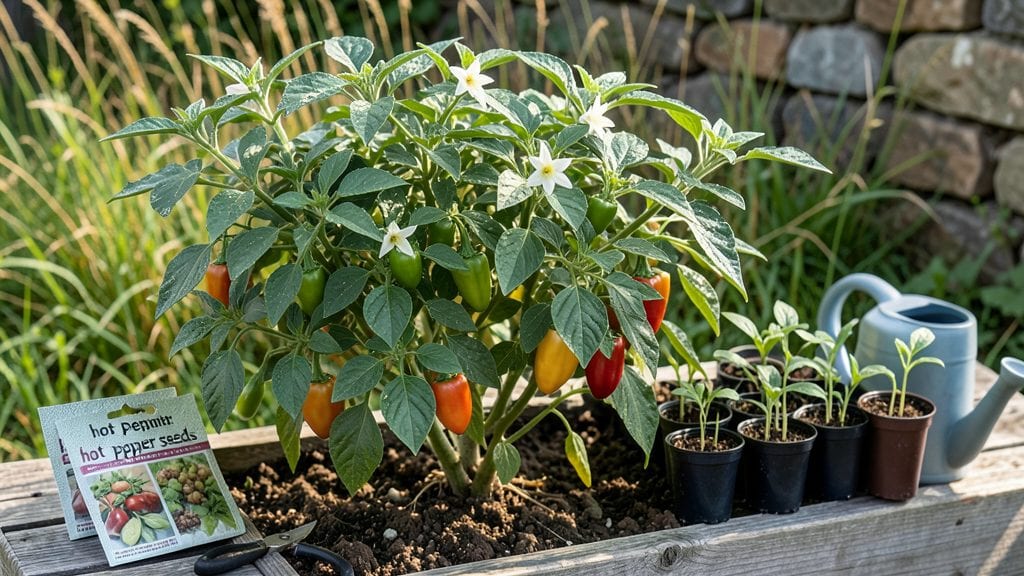
Growing hot pepper seeds from scratch delivers the kind of heat you’ll never find in store-bought plants. 🌶️ I’ve started jalapeños, habaneros, and even Carolina Reapers this way—each one packing more fire than the last, and all from seeds that fit on a fingertip.
The secret isn’t luck; it’s knowing when to soak those seeds, how deep to plant them, and exactly what they crave in sunlight and soil.
You’ll need just a few basics: a warm spot (70°F or higher), a seed-starting mix that drains well, and patience for the first 10-14 days while they germinate. Most beginners rush this step, but those extra few days of warmth make all the difference.
Once they sprout, you’re looking at 3 months of care—thinning seedlings, transplanting carefully, and keeping them happy with consistent water and light.
By mid-summer, you’ll be harvesting peppers that turn neighbors’ eyes wide with curiosity. The first jalapeño I grew from seed made my mouth tingle for an hour—nothing like the mild ones from the grocery store.
With the right varieties and a little attention, you’ll go from seed to salsa in no time, even in containers on a balcony.
Here’s where it gets interesting—some seeds germinate in days, others take weeks. The key is staying consistent with moisture and temperature, and not letting those seedlings stretch into leggy shadows.
I’ll walk you through every step, including how to rescue them if they start leaning too much. Let’s get those fiery little seeds growing!
📚 In This Guide
- What you need
- Instructions
- Tips and common mistakes
- Wrapping up and next steps
What you need
- ● Hot pepper seeds: Choose your heat level (e.g., Carolina Reaper, Habanero, or Jalapeño)—start with 5–10 seeds to test your green thumb! 🌶️
- ● Seed-starting mix: A lightweight, sterile potting mix (avoid garden soil—it’s too dense!). A 10-inch bag should suffice for starters.
- ○ Containers: Small pots (3–4 inches deep) or a seed tray with cells (6–12 cells per tray). Optional: Biodegradable peat pots for easy transplanting!
- ● Grow lights or sunny windowsill: A full-spectrum LED grow light (12–16 hours/day) or a south-facing window with 6+ hours of sunlight.
- ● Watering can or spray bottle: A gentle spray keeps seeds moist without drowning them.
- ○ Misting bottle (optional): Helps maintain humidity for germination.
- ● Plant labels & marker: Track varieties—trust us, you’ll forget which is which!
- ● Warmth: Seeds need 70–85°F (21–29°C) to germinate. Use a seedling heat mat ($10–$20) if your home runs cooler.
- ● Humidity: Cover containers with plastic wrap or a humidity dome until sprouts appear (usually 7–14 days).
- ● Patience: Germination can take 1–3 weeks—resist the urge to poke them!
- ● 💡 Soak seeds overnight in warm water to kickstart germination.
- ● 🌡️ Keep soil consistently moist (not soggy!)—think "damp sponge," not swamp.
- ● 🎯 Thin seedlings to the strongest one per pot to avoid competition.
Step-by-Step instructions for growing hot peppers from seed
Here's how to turn those fiery little seeds into a thriving pepper garden.
🌱 Step 1: Prepare Containers and Seed Starting Mix
Fill 4 small seedling trays (each with 16 cells) with the 2 gallons of seed-starting mix, leaving ½ inch below the rim. Press the mix down gently so it's firm but not compacted—this prevents air pockets that can suffocate seedlings. I like to tap the tray on the table once or twice to settle everything evenly.
Moisten the mix thoroughly with warm water until it feels like a damp sponge. You'll know it's ready when water drips out the bottom but doesn't pool. This ensures your seeds have consistent moisture without sitting in soggy soil, which can cause rot.
🌱 Step 2: Sow Seeds at the Right Depth
Place 1-2 seeds per cell, pressing them into the soil just ¼ inch deep—about the width of a dime. Planting too deep slows germination because the seedling has to work harder to reach light. I use a toothpick to make small holes for each seed, then drop them in gently.
Cover lightly with a sprinkle of additional mix, then mist the surface with a spray bottle until evenly moist. Avoid heavy watering—you don't want to dislodge the seeds. Label each tray with the pepper variety and date, because after a few weeks, identical green sprouts will all start to look the same.
💧 Step 3: Provide Warmth and Humidity for Germination
Cover the trays with a clear humidity dome or plastic wrap to retain warmth and moisture. Hot peppers germinate best at 75-85°F, so place the trays on a seedling heat mat if your home runs cooler. Expect sprouts in 7-14 days, though some varieties can take up to 21 days—patience is key.
Check daily but resist the urge to water. The dome traps enough moisture that the soil stays consistently damp. Once 50% of seeds have sprouted, remove the dome immediately—trapped humidity around new seedlings invites damping-off, a fungal disease that collapses stems overnight.
☀️ Step 4: Move to Bright Light Immediately
The instant seedlings break through the soil, they need 14-16 hours of light daily. A south-facing window rarely provides enough intensity, so position a full-spectrum LED grow light 2-4 inches above the plants. Raise it as they grow to maintain that gap—you'll see leggy growth if the light is too far away.
Strong seedlings have thick stems, deep green color, and compact spacing between leaves. If stems grow thin and pale, they're stretching for light. You'll also notice the first true leaves (not the initial cotyledons) appear within 2-3 weeks—this is your signal everything is on track.
⏰ Step 5: Thin and Harden Off Before Transplanting
When seedlings show 3-4 true leaves, thin to 1 plant per cell by snipping the weaker one at the base with scissors. This prevents overcrowding and gives remaining plants room to grow. Water deeply the day before transplanting to reduce shock.
Two weeks before your last frost date, start hardening off the seedlings by placing them outside in a sheltered spot for 1-2 hours the first day. Gradually increase outdoor time by 1 hour daily over 10-14 days, slowly introducing more sun and wind. Once they tolerate a full day outside without wilting, they're ready for the garden.
Tips & tricks for growing hot peppers from seed
Growing hot peppers from seed is incredibly rewarding, but these small details make all the difference between thriving plants and disappointing failures.
Soil Preparation Secret: In Step 1, when pressing down the seed-starting mix, aim for a texture like damp sand—not too firm, but with no air pockets. I like to use my fingers to gently press the mix around each cell, creating a snug fit for the seeds. This prevents the seeds from sinking too low or floating to the surface when you water. Pro tip: If your mix feels too dry after pressing, add a light mist with warm water to help it settle properly.
Germination Temperature Matters: The 75-85°F range in Step 3 is critical for hot peppers—cooler temps slow germination significantly. If your home runs cooler, place the trays on a seedling heat mat (I use one set to 80°F) or nestle them inside a larger insulated container with a lightbulb tucked underneath. Watch for condensation on the humidity dome—this is your sign the environment is just right. If you see mold forming, remove the dome immediately and let the soil dry slightly.
Lighting Strategy: For Step 4, position your full-spectrum LED grow light at 2-4 inches above the seedlings, but adjust as they grow. I use a simple ruler to measure the distance—this ensures consistent light exposure. Notice the difference between strong, compact seedlings and those stretching toward light (they'll look like tiny green pencils). If you notice this, raise the light or move the tray closer immediately. A timer for your grow light helps maintain that essential 14-16 hours of daily light.
Hardening Off Hack: When you start the 1-2 hour outdoor sessions in Step 5, choose a spot with morning sun and afternoon shade to prevent shock. I like to place seedlings on a windowsill or under a patio cover where they get indirect sunlight. Gradually increasing their outdoor time by 1 hour daily (as specified) helps toughen them up—you'll see them perk up noticeably after just a few days of this treatment. The key is consistency: don't rush the process or they'll wilt when you transplant.
Pro Tips for Hot Pepper Seeds To Grow
- Growing hot peppers from seed is incredibly rewarding, but these small details make all the difference between thriving plants and disappointing failures.
- Soil Preparation Secret: In Step 1, when pressing down the seed-starting mix, aim for a texture like damp sand—not too firm, but with no air pockets.
- Germination Temperature Matters: The 75-85°F range in Step 3 is critical for hot peppers—cooler temps slow germination significantly.
Frequently asked questions
Got questions about growing hot pepper seeds? You’re not alone! Here are some of the most common queries—plus straightforward answers to help you cultivate fiery success.
How long does it take for hot pepper seeds to germinate?
Germination typically takes 7–21 days, depending on the variety and conditions. Keep seeds in warmth (75–85°F) and moist (but not soggy) soil. A heat mat or sunny windowsill speeds things up! Patience pays off—some stubborn seeds take longer, but consistency is key.
What’s the best temperature to grow hot peppers?
Hot peppers thrive in warmth (70–90°F) during the day and 60°F+ at night. If temps dip below 50°F, growth slows or stops. Use row covers, greenhouses, or move pots indoors if your climate is chilly. Pro tip: Start seeds early indoors if you’re in a short-season zone!
Can I grow hot peppers from store-bought seeds?
Yes! Save seeds from organic, heirloom, or non-hybrid peppers (avoid F1 hybrids—they won’t breed true). Let peppers fully ripen on the plant, then scoop out seeds, rinse, dry, and store in a cool, dark place. Warning: Handle seeds carefully—they’re spicy!
Why aren’t my hot pepper seeds sprouting?
Common culprits: old seeds (viability drops after 1–2 years), cold soil, or over/under-watering. Try soaking seeds in warm water overnight or scratching the shell lightly to encourage germination. If nothing happens in 3 weeks, test new seeds—they might’ve lost viability.
Are there easy hot peppers for beginners?
Start with mild but spicy varieties like Jalapeños, Cayenne, or Thai Hot. They’re fast-growing (60–90 days) and forgiving. For extra heat, try Habaneros or Ghost Peppers—but expect more care (they’re fussy about humidity and heat)!
Wrapping up and next steps
Growing your own hot peppers from seeds is a rewarding journey that turns tiny, fiery promises into bold, homegrown heat! 🌱 With the right seeds, soil, and care, you’ll harvest spicy treasures in just three months—perfect for adding flavor to your dishes or sharing with fellow pepper enthusiasts.
Whether you’re a beginner or a seasoned gardener, the key is patience, consistency, and a little love for the spicy life.
Ready to take the next step? Start with your favorite seeds, sketch a simple planting schedule, and watch your garden transform into a heat-filled haven. Happy growing—and may your peppers be extra fiery! 🔥