
Size
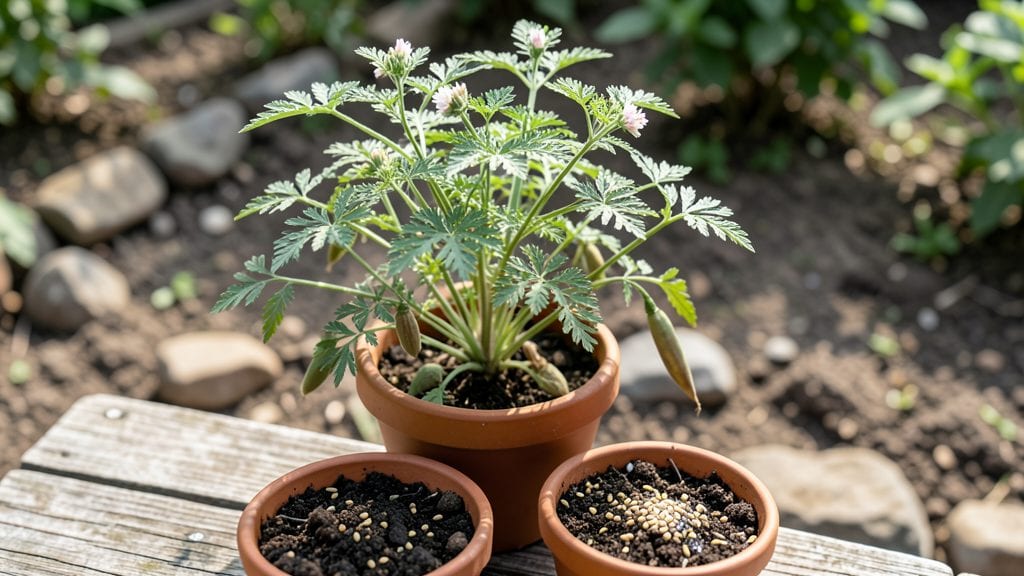
Growing cumin seeds from scratch lets you harvest fragrant, sun-dried spice that tastes nothing like store-bought. I planted my first batch last spring and ended up with enough for a year’s worth of curries—plus a few jars to share with neighbors who couldn’t believe I’d grown it myself.
The secret isn’t complicated: cumin thrives in warmth and neglect, making it perfect for gardeners who forget to water (like me).
You’ll need a sunny spot with well-draining soil—cumin hates soggy roots—and patience for the 90-day journey from seed to harvest. The seeds germinate slowly, often taking 2-3 weeks, but once they sprout, they grow fast in 60-80°F temperatures.
Space plants 12-18 inches apart to prevent overcrowding, and avoid rich compost; cumin prefers lean, sandy soil. A 5-gallon pot works for container growing if your climate isn’t warm enough for outdoor planting.
By harvest time, you’ll be snipping off the feathery seed pods when they turn golden brown and rattle easily. Dry them in the sun for 1-2 weeks until they’re crisp, then crush them for that deep, earthy flavor.
The first harvest is small, but each year your plants get bushier and more productive. Store the seeds in an airtight jar, and you’ll have fresh cumin for years—no grocery store in sight.
Works best in USDA Zones 7-10, but you can grow it in containers almost anywhere. If pests like aphids show up, a strong spray of water usually does the trick. Here’s how to keep your cumin thriving from start to finish.
📚 In This Guide
- What you need
- Instructions
- Tips and common mistakes
- Wrapping up and next steps
What you need
- ● Cumin seeds (organic preferred): 1–2 lbs (450–900g) for a small harvest or 5+ lbs (2.3–4.5kg) for a larger yield.
- ● Well-draining soil: Mix of 60% potting soil + 40% perlite or coarse sand (avoid clay-heavy soil).
- ● Containers: Small pots (4–6 inches deep) for seedlings, or
- ● Direct outdoor beds (6–12 inches deep) with full sun exposure.
- ● Sunlight: 6–8+ hours of direct sunlight daily (greenhouses or south-facing windows work too!).
- ● Water: Mist spray bottle (for seedlings) + drip irrigation or watering can (for mature plants).
- ○ Fertilizer (optional but helpful): Balanced 10-10-10 or 5-5-5 organic fertilizer (1 tbsp per plant every 4–6 weeks).
- ● Compost (1 cup mixed into soil at planting).
- ● Support (for tall plants): Bamboo stakes or small cages (cumin grows 12–24 inches tall).
- ● Gloves: Protect your hands from prickly stems (nitrile or gardening gloves).
- ● Pruning shears: For trimming dead leaves or harvesting.
- ● pH test kit: Aim for 6.0–7.0 pH (adjust with lime or sulfur if needed).
- ● Row covers: Lightweight fabric to protect seedlings from pests.
- ● Drying rack or mesh bags: For curing harvested seeds (hang in a dark, dry place).
- ● Journal/notebook: Track planting dates, watering, and growth milestones!
Step-by-Step instructions for growing cumin seeds
Here's how to cultivate your own fragrant cumin crop in just three months.
Prepare the Planting Site
Cumin thrives in warm, well-drained soil with full sun exposure. Choose a location that receives at least 6-8 hours of direct sunlight daily. Before planting, loosen the top 6 inches of soil to improve drainage and aeration. Cumin dislikes soggy roots, so if your soil is heavy clay, mix in 2 inches of coarse sand or 1 inch of perlite to help break up compaction.
Spread 1 cup of 5-10-10 fertilizer evenly over the planting area and work it into the top 4 inches of soil. This provides the phosphorus and potassium cumin needs to establish strong roots. Avoid over-fertilizing—too much nitrogen will encourage leafy growth at the expense of seed production. Water the area lightly to settle the soil before planting.
Sow the Seeds at the Right Time
Cumin seeds germinate best in warm soil, so wait until after the last frost date when nighttime temperatures consistently stay above 50°F. Plant seeds ½ inch deep and 1 inch apart in rows spaced 12 inches apart. You'll need about 100 seeds to yield a harvest for a small family kitchen.
Thin seedlings to 6 inches apart once they reach 2 inches tall. This spacing gives plants room to grow without competing for nutrients. If you're growing in containers, plant 3-4 seeds per 12-inch pot and thin to the strongest seedling. Cumin is drought-tolerant once established, but keep soil lightly moist during germination.
Maintain Through the Growing Season
Water cumin plants deeply once a week during dry spells, aiming for 1 inch of water per week. Let the soil dry slightly between waterings—consistent moisture prevents seed shattering and improves flavor. You'll know it's time to water when the top 1 inch of soil feels dry to the touch.
Apply ½ cup of 5-10-10 fertilizer when plants reach 6 inches tall to support flowering and seed development. Watch for yellowing leaves, which often signal overwatering or nutrient deficiency. Cumin is relatively pest-free, but remove any aphids or spider mites by hand or with a strong spray of water if they appear.
Harvest and Dry the Seeds
Cumin seeds are ready for harvest when the pods turn brown and dry—typically 90-100 days after planting. Cut the entire plant at the base with pruning shears and bundle the stems together. Hang them upside down in a dry, well-ventilated area for 2-3 weeks until the pods are completely brittle.
Once dry, rub the pods between your hands to release the seeds. Store them in an airtight container away from direct sunlight. Properly dried cumin seeds will keep their flavor for up to 1 year. If you miss the harvest window, the seeds will shatter and scatter—so keep an eye on the plants as they mature!
Tips and tricks for perfect cumin seed cultivation
Growing your own cumin seeds is incredibly rewarding, but a few key strategies will help you avoid common pitfalls and maximize your harvest.
Soil Preparation Matters: In Step 1, when loosening the top 6 inches of soil, don't just scratch the surface. Use a garden fork to break up compacted layers down to 8 inches deep—this prevents waterlogging that can rot cumin roots. If your soil is sandy, add 1 inch of compost to retain moisture during germination while still allowing excellent drainage. The goal is to mimic the well-drained conditions cumin thrives in.
Timing Secret for Germination: Waiting until nighttime temperatures consistently stay above 50°F is crucial, but don't rush planting just because the frost is gone. Soil temperature should also be above 50°F—test this by placing a thermometer 2 inches deep in the ground. Cumin seeds won't germinate reliably in cooler soil. I've found planting 2-3 weeks after the last frost date gives seeds the warm soil they need to sprout consistently.
Watering Wisdom: The once-a-week watering guideline in Step 3 works best when your soil is well-prepared. Check moisture by inserting your finger 1 inch deep—if it feels dry, water thoroughly. Overwatering is the #1 mistake I see with new gardeners. Cumin plants actually develop stronger flavors when slightly stressed by dry conditions, so let the soil dry between waterings after the initial germination phase.
Harvesting Hack: When harvesting in Step 4, don't wait until all pods are completely brown—some seeds will shatter and scatter. Instead, harvest when about 70% of pods have turned brown and dry. Bundle the plants and hang them in a dark, well-ventilated area. After 2-3 weeks, the remaining pods will finish drying while the already-dry ones won't shatter as easily when you handle them.
Pro Tips for Grow Cumin Seeds
- Growing your own cumin seeds is incredibly rewarding, but a few key strategies will help you avoid common pitfalls and maximize your harvest.
- Soil Preparation Matters: In Step 1, when loosening the top 6 inches of soil, don't just scratch the surface.
- Timing Secret for Germination: Waiting until nighttime temperatures consistently stay above 50°F is crucial, but don't rush planting just because the frost is gone.
Frequently asked questions
Got questions about growing cumin seeds?
You’re not alone! Here are answers to the most common queries to help you cultivate a thriving cumin harvest with confidence.
How long does it take for cumin seeds to germinate?
Cumin seeds typically germinate in 7–14 days after planting, depending on soil warmth and moisture. For faster sprouting, keep the soil consistently moist (but not soggy) and maintain temperatures between 70–85°F (21–29°C). Patience is key—don’t disturb the soil while waiting!
When is the best time to harvest cumin seeds?
Harvest cumin seeds when the pods turn brown and dry (usually 90–120 days after planting). If left too long, the pods may shatter and lose seeds. Cut the entire plant, bundle it, and hang it upside down in a dry, shaded area for 2–3 weeks to fully dry before threshing.
Can I grow cumin indoors or in containers?
Yes! Cumin thrives in 5–6 gallon containers with well-draining soil and 6+ hours of sunlight daily. Use a south-facing window or grow lights if natural light is limited. Just ensure the pot has drainage holes to prevent root rot—cumin hates soggy feet!
What pests should I watch for when growing cumin?
Common pests include aphids, spider mites, and cutworms. Monitor plants regularly and use neem oil or insecticidal soap for mild infestations. For cutworms, create a collar barrier around seedlings with cardboard or aluminum foil to protect young stems.
What if my cumin plants bolt too early?
Bolting (premature flowering) often happens in cool weather or if planted too early. To delay it, use black plastic mulch to warm the soil or opt for slow-bolting varieties like ‘Safeda.’ If bolting occurs, focus on harvesting seeds—cumin still produces flavorful pods even if it flowers early!
Wrapping up and next steps
Growing your own cumin seeds is a rewarding journey that connects you to the earth and the kitchen! With just a sunny spot, well-draining soil, and a little patience, you’ll harvest aromatic seeds in about 90 days.
Whether you’re a seasoned gardener or a curious beginner, this spice-growing adventure is well within reach—so roll up your sleeves and enjoy the process. 🌱
Now that you’re armed with tips and tricks, why not plant your first seeds today? Start small, experiment with varieties, and soon you’ll be savoring homegrown cumin in every dish. Happy growing! 🌞