
How To
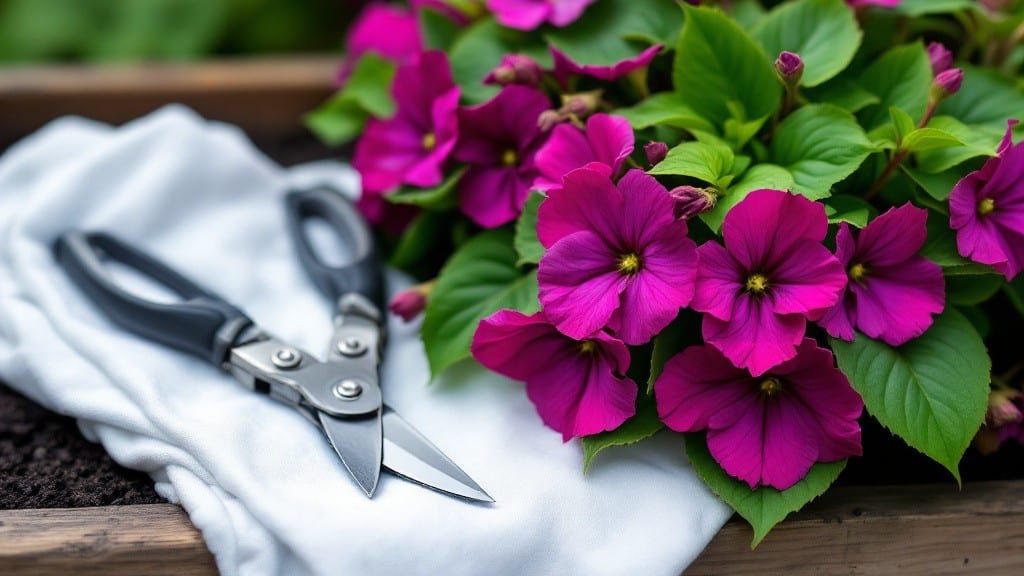
Harvesting impatiens seeds 🌸 saves you money and lets you grow these show-stopping annuals year after year—if you time it right.
Picture this: your impatiens are winding down for the season, their vibrant blooms replaced by dry, brown seed pods. Miss that moment, and you’ll watch the seeds scatter or rot on the vine, leaving you scrambling next spring to buy new plants.
Knowing when to collect those pods—and how to handle them—is the difference between a thriving garden and wasted effort. In just a few simple steps, you can preserve seeds that’ll sprout into next year’s lush, colorful displays.
Below, I’ll walk you through the exact signs to watch for, the best tools to use, and how to store seeds so they stay viable until planting season. No guesswork, just proven results.
When to harvest impatiens seeds for maximum viability
Harvesting impatiens seeds at the right time ensures high germination rates and healthy seedlings for next season. These delicate annuals produce seeds in late summer to early fall, but timing is everything—wait too long, and seeds scatter or lose viability.
The key is watching for mature seed pods that signal readiness.
In most USDA Zones 6-10, the ideal harvest window falls between mid-September and early October. However, gardeners in cooler regions (like Zone 5) should harvest by late August to avoid early frosts. Southern growers in Zone 10+ may extend harvesting until November, but monitor weather closely.
Timing matters because impatiens seed pods dry rapidly once mature. A 3-5 day window exists between when pods turn brown and when they split open, releasing seeds. Missing this window means lost seeds—or worse, scattered seeds that sprout unpredictably in your garden.
Here’s how to spot ready-to-harvest pods:
- Color change: Pods shift from green to brown (like dried leaves).
- Texture shift: Firm pods become papery-dry and brittle.
- Splitting signs: Pods may crack open slightly, revealing tiny black seeds.
- Rattle test: Shake a pod—if seeds rattle inside, they’re ready.
Regional adjustments are critical. In humid climates (e.g., Florida or Pacific Northwest), pods may mold if left too long. In arid regions (e.g., Arizona or California), pods dry faster—harvest within 2-3 days of browning. Always prioritize dry, sunny days for harvesting to prevent moisture-related issues.
Pro tip: Mark mature pods with a toothpick or ribbon to track their progress. This helps you avoid missing the harvest window while flowers are still blooming nearby. Overripe pods release seeds uncontrollably, so act quickly once you spot brown, dry pods.
Never harvest pods that are still green or firm—these seeds won’t germinate. Likewise, avoid pods with mold or soft spots, as these indicate spoilage. The golden window is when pods are fully brown but not yet split.
Climate plays a huge role. In cooler northern zones, frost can strike by mid-October, so harvest pods as soon as they brown. In warmer southern zones, pods may linger longer, but heat stress can reduce viability.
Aim to harvest before temperatures drop below 50°F or exceed 90°F consistently.
For container-grown impatiens, monitor pods more closely since they dry faster in limited soil volume. Move containers to a shady, dry spot 2-3 days before harvesting to speed up pod drying. This trick works especially well in humid summers.
Once pods are ready, act within 24 hours to preserve seed quality. Delaying harvest—even by a day—risks seed loss or reduced germination. Store harvested seeds in a cool, dry place (like a paper envelope) until you’re ready to clean and store them long-term.
🌱
| Stage | Seed Pod Appearance | Harvest Window | Climate Notes | Action Required |
|---|---|---|---|---|
| Early Maturity | Green, firm pods | Not ready | Humid areas: risk of mold | Monitor daily |
| Ideal Harvest | Brown, dry, slightly cracked | 3-5 day window | Cool zones: harvest by Oct 1 | Collect pods immediately |
| Overripe | Split open, seeds scattered | Too late | Arid zones: pods dry faster | Clean up scattered seeds |
| Frost Risk | Pods may not mature | Harvest early | Zone 5: aim for Aug 30 | Prioritize container plants |
Heat Stress
Step-by-step guide to collecting and storing impatiens seedsHarvesting impatiens seeds is a delicate process that requires patience and precision. These vibrant annuals produce seeds in dry, brown pods that must be collected at the perfect moment to ensure high germination rates. Timing is everything—harvest too early, and the seeds won’t be viable; wait too long, and they’ll scatter on their own, leaving you with nothing to store. Once you’ve identified the mature seed pods, the next steps involve careful handling to avoid damaging the tiny seeds. Proper drying techniques and storage methods are crucial for preserving seed viability until next planting season. Even small mistakes, like exposing seeds to moisture or storing them incorrectly, can drastically reduce your chances of success. How to Harvest Impatiens Seeds
One common mistake is harvesting seeds too soon—green pods won’t yield viable seeds. Always wait until the pods are fully brown and dry before handling. Another pitfall is storing seeds in plastic bags, which traps moisture and reduces germination rates. Opt for paper envelopes first, then transfer to airtight containers only after complete drying. If you’re unsure whether your seeds are ready, perform a simple shake test: hold a pod over a white surface and give it a gentle shake. If black seeds fall out easily, they’re ready for harvest. This method saves time and ensures you’re only storing the best seeds for next season’s garden. With these steps, you’ll preserve your favorite impatiens varieties and enjoy a head start on next year’s blooms. Happy harvesting! 🌱 |