How To
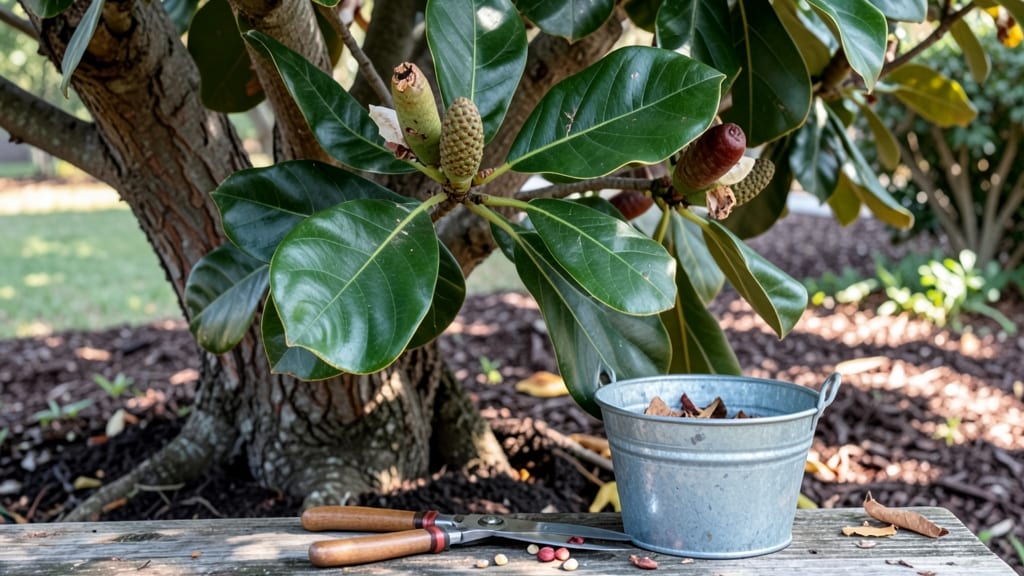
Harvesting magnolia seeds 🌸 at the right time means the difference between a thriving young tree and wasted effort — and the key is knowing when those pods are ready to release their treasure.
Picture this: you’ve waited months for those brown, papery seed pods to crack open, only to find the seeds inside still soft and green. That’s a common mistake, and it happens to gardeners who harvest too early.
The secret lies in patience and a few simple visual cues that tell you the seeds are finally ready to collect.
In this guide, I’ll walk you through the exact signs to look for—like the color shift from green to deep brown and the way the pods split open on their own—and share the tools and steps to safely gather and store them for the best germination rates.
By the end, you’ll know not just when to harvest but also how to avoid the pitfalls that turn viable seeds into dust. Let’s get started.
When to harvest magnolia seeds: identifying the perfect ripeness stage
Harvesting magnolia seeds at the right time is critical for ensuring high germination rates. The ideal window typically falls between late September and November, depending on your USDA hardiness zone.
In Zone 6, for example, seeds usually reach maturity by mid-October—just before the first frost. Missing this window means seeds may not germinate properly or could be damaged by cold weather.
Timing matters because magnolia seeds require stratification (a cold period) to break dormancy. If you harvest too early, the seeds won’t complete their natural maturation process, and if you wait too long, they risk freezing or drying out.
Pay close attention to the seed pods and their internal changes to avoid these pitfalls.
Key visual cues include the color shift of the seed pods from green to brown. When pods turn a dull brown and begin to split open naturally, it’s a clear sign that the seeds inside are ready. These pods often look dry and papery, almost like they’re cracking open on their own. Ignoring this visual cue is a common mistake that leads to poor seed viability.
The internal seed development is another critical factor. Mature magnolia seeds should be dark brown or black and plump, not shriveled or light-colored. To test this, gently open a pod and examine the seeds.
If they feel firm to the touch and sink in water (a viability test), they’re ready for harvest. Soft or floating seeds indicate they’re not yet mature.
Don’t rely solely on the calendar—weather conditions play a huge role. If unseasonably warm temperatures delay pod maturation, you might need to wait until early November.
Conversely, an early frost could force you to harvest sooner. Always check the pods weekly during the harvest window to catch the perfect moment.
Regional variations also affect timing. In warmer zones (7-9), pods may mature as early as August, while in cooler zones (4-5), you might need to wait until December. Local climate patterns, like rainfall or humidity, can further influence when pods dry out and split open.
Here’s a quick reference to help you spot ready-to-harvest pods versus those that need more time:
Ready for Harvest:
- Pods are dry and papery
- Color is dull brown
- Seeds are dark and firm
- Pods split open easily
- Seeds sink in water
Not Ready:
- Pods are green or partially green
- Seeds are soft or light-colored
- Pods are still tightly closed
- Seeds float in water
- Pods feel leathery or moist
Pro Tip: If you’re unsure, harvest a few pods early and store them in a cool, dry place for a week. Recheck the seeds—if they’ve darkened and firmed up, they’re ready. This two-step approach minimizes the risk of harvesting too soon or too late.
Once you’ve confirmed the pods are ready, act quickly. Magnolia seeds lose viability rapidly after reaching full maturity, especially if exposed to moisture or heat. Collect them on a dry day, preferably in the morning, when humidity is low.
Store them in a paper bag (not plastic) in a cool, dark place until you’re ready to process them for stratification.
Understanding these maturity cues ensures you’ll have the best chance of growing healthy magnolia seedlings. With practice, you’ll develop an eye for spotting the perfect harvest window—and soon, you’ll be nurturing your own magnolia trees from seed! 🌳
summary-table
| Stage | Visual Cues | Texture | Seed Condition | Action |
|---|---|---|---|---|
| Early Maturity | Pods greenish-brown | Leathery, moist | Soft, light-colored | Wait 2-3 weeks |
| Optimal Ripeness | Pods dull brown | Dry, papery, cracking | Dark, firm, plump | Harvest immediately |
| Overripe | Pods fully split, seeds scattered | Brittle, crumbling | Dry, shriveled | Seeds may not germinate |
| Frost Risk |
Step-by-step guide to collecting and processing magnolia seedsHarvesting magnolia seeds is a rewarding way to propagate these majestic trees, but timing and technique are everything. Once you’ve identified ripe seed pods (those that are dry and brown), the next steps ensure your seeds stay viable for planting. Gather your tools—sterilized pruners, paper bags, and a damp paper towel—and follow this guide to process seeds like a pro. Magnolia seeds require careful handling to avoid damage. Start by collecting the mature seed pods from the ground or tree—never pull them off prematurely. The pods should split open naturally, revealing dark, firm seeds inside. If pods are still green or closed, they’re not ready yet. Patience is key here, as harvesting too early reduces germination rates dramatically. How to Harvest Magnolia Seeds
After harvesting, drying seeds properly is non-negotiable. Spread them on a screen or mesh in a shady, dry location for 1-2 weeks. This prevents mold and ensures they’re ready for storage. Once fully dry, store seeds in a paper envelope or airtight container with a desiccant packet to absorb excess moisture. Stratification is the secret to breaking magnolia seeds’ dormancy. Place dried seeds in a sealed plastic bag with moist sand (or a damp paper towel) and refrigerate for 60-90 days. This mimics the natural winter chill they need to germinate. Check seeds monthly—if they’re moldy or shriveled, discard them and try again. When stratification is complete, plant seeds 1/4 inch deep in a well-draining potting mix. Keep the soil moist but not soggy and place the container in a warm, bright location (like a sunny windowsill). Germination can take 2-6 months, so patience is key. Thin seedlings to 6 inches apart once they’ve sprouted. With these steps, you’ll boost your magnolia seed germination rates from near-zero to over 50%. Just remember: timing, drying, and stratification are the three pillars of success. Happy growing! 🌱 |