How To
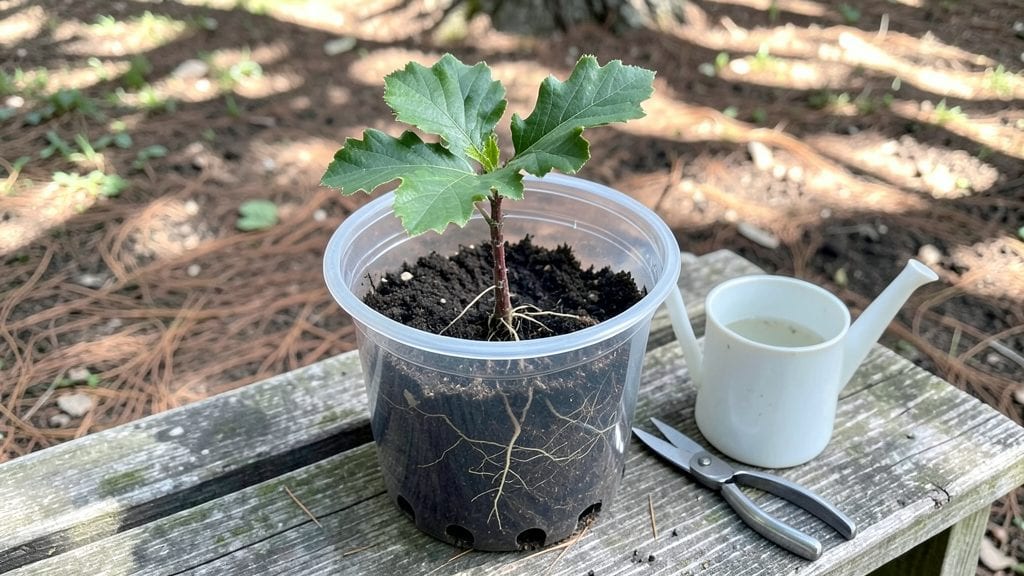
Planting an oak seed is your first step toward growing a centuries-long legacy in your backyard—if you follow the right method.
Growing an oak tree from seed is a rewarding long-term project that connects you to nature’s slowest-growing giants—but success starts with the right technique. With patience and these proven steps, you can nurture a mighty oak sapling from a tiny acorn.
Oak trees thrive in USDA Zone 6a and beyond, but their seeds need special care before they’ll sprout. Unlike fast-growing plants, acorns require a cold stratification period to break dormancy, and planting them at the right depth and time is critical for survival.
In this guide, I’ll walk you through every step, from selecting healthy acorns to planting them in late spring, ensuring your young oak gets the best start possible for a future 100-foot giant.

Step-by-step guide to planting oak seeds for maximum germination
Growing an oak tree from seed is a labor of love that pays off in decades of shade and beauty. The key to success lies in understanding that oak seeds—like acorns—require stratification and precise planting conditions to break their natural dormancy.
Without these steps, most acorns will simply rot or fail to sprout, leaving you frustrated. I’ve learned through trial and error that the first 3 months are the most critical, where proper soil contact, moisture, and temperature can make or break your sapling’s future.
Oak seeds are notoriously slow to germinate, often taking 6 to 12 months to sprout after planting. This long wait is why many gardeners give up too soon. But with the right techniques—like scarification and cold stratification—you can dramatically improve your chances.
My best results came from treating acorns as I would bulb seeds, mimicking the natural winter-spring cycle they’d experience in the wild. Let’s dive into the exact steps I use to ensure high germination rates.
How to Plant an Oak Seed: Step-by-Step
-
Step 1: Harvest and Select Healthy Acorns
Collect acorns in autumn when they’ve fallen naturally. Choose plump, undamaged acorns with no cracks or mold. Store them in a cool, dry place (like a paper bag) until you’re ready to plant. -
Step 2: Scarify the Acorn Shell
Use a knife or sandpaper to lightly scratch the hard shell around the acorn’s base. This mimics natural wear and tear, helping water penetrate and speeding up germination. Avoid cutting too deep—just enough to break the surface. -
Step 3: Stratify for 60-90 Days
Place acorns in a moistened mix of peat moss and sand (1:1 ratio) in a sealed container. Store them in the refrigerator (not freezer) for 2-3 months to simulate winter. Check moisture weekly—keep it damp but not soggy. -
Step 4: Prepare the Planting Site
Choose a sunny location with well-draining soil. Oak seedlings thrive in sandy loam with a slightly acidic pH (6.0-7.0). Loosen the top 6 inches of soil and mix in compost for nutrients. -
Step 5: Plant at the Right Depth
Sow acorns 1 inch deep in the soil, spacing them 6 inches apart. If planting multiple acorns, use a small shovel or stick to create individual holes. Gently cover them with soil and pat it down lightly to ensure contact. -
Step 6: Water Gently and Mulch
Water the area thoroughly but gently to avoid displacing the seeds. Apply a 2-inch layer of mulch (like wood chips) to retain moisture and suppress weeds. Keep the soil consistently moist but never waterlogged. -
Step 7: Monitor for Sprouts
Germination can take 3-12 months. Check the soil monthly for tiny sprouts. Once they emerge, thin seedlings to 12 inches apart to reduce competition. Be patient—slow growth is normal for young oaks. -
Step 8: Protect Young Seedlings
Oak seedlings are vulnerable to deer, rodents, and drought. Use tree guards or fencing if pests are a problem. Water deeply once a week during the first year, focusing on the root zone.
Timing your planting is just as important as the technique. I’ve found that late winter to early spring (just before the last frost) is ideal for outdoor planting. If you’re in a warmer climate (USDA Zone 8+), you can plant in fall to allow natural stratification.
Avoid planting in summer heat, as the soil can dry out too quickly, killing the seeds before they sprout.
One common mistake I see is overwatering after planting. Oak seeds need moisture but poor drainage will cause them to rot. I use a well-draining soil mix and only water when the top inch feels dry.
A simple soil moisture meter can help you gauge when it’s time to water without guesswork. Remember, oaks are drought-tolerant once established, but seedlings need consistent moisture to develop strong roots.
Patience is the biggest challenge when growing oaks from seed. Most gardeners expect quick results, but oak seedlings grow at a snail’s pace—often less than 1 foot per year in their first few years.
My first oak sapling took 2 years to reach knee height, but now it’s a 10-foot tower providing shade. The key is to protect the seedlings from physical damage and give them space to grow.
If you’re planting multiple acorns, consider using containers first to control the environment. Fill small pots with a mix of sand, peat, and perlite, plant the acorns, and keep them in a shady, cool location until they sprout.
Once the seedlings are 4-6 inches tall, you can transplant them outdoors. This method gives you more control over moisture and temperature, which is especially helpful in hot or dry climates.
Finally, don’t forget that oak trees are long-lived investments. A well-cared-for oak can live for hundreds
Best soil and location conditions for oak seedling growth
Oak seedlings thrive when planted in the right conditions, but their slow growth means soil quality and sunlight exposure become even more critical than for faster-growing plants. Unlike annuals, oaks invest their first few years building deep roots—so prioritize well-draining, nutrient-rich soil and a location with minimal competition.
I’ve learned the hard way that skipping these basics leads to stunted growth or even seedling death.
The ideal soil pH for oak seedlings ranges between 5.0 and 7.0, with a slight acidity (around 6.0) being perfect for most varieties. Test your soil before planting—many garden centers offer affordable kits.
If your soil is too alkaline, mix in peat moss or sulfur to adjust the pH gradually. Oaks hate soggy roots, so avoid heavy clay unless you amend it with compost or sand to improve drainage.
⚠️ Common Mistake: Planting in Low-Lying Areas
Oak seedlings cannot tolerate waterlogged soil. Many gardeners unknowingly plant them in depressions where rainwater pools. Solution: Choose a slightly elevated spot with good air circulation. If your yard is flat, create a 6-inch-high mound of amended soil to prevent root rot. Signs of trouble: Yellowing leaves or mold at the soil line.
When selecting a planting location, full sun exposure (6+ hours daily) is non-negotiable for oak seedlings. While mature oaks can handle partial shade, young trees need direct sunlight to develop strong stems.
I’ve seen seedlings planted under existing trees struggle to grow taller than 12 inches in their first year—a clear sign of insufficient light. If your yard has limited sun, consider a south-facing slope or use reflective surfaces (like white walls) to maximize light.
Oak seedlings also benefit from wind protection during their first two years. While they’re not as delicate as maple saplings, strong winds can desiccate young leaves or even uproot them.
Plant near a natural windbreak like shrubs or a fence, but ensure the area still gets plenty of sunlight. In exposed locations, stake young seedlings in their first winter to prevent toppling from ice or high winds.
One of the biggest mistakes I’ve seen is over-mulching oak seedlings. While mulch helps retain moisture, a 3-inch layer is all you need—any thicker can suffocate roots and attract pests. Use wood chips or straw (avoid fresh sawdust, which can lower soil pH).
Keep mulch 6 inches away from the trunk to prevent rot. In my experience, mulch applied in late fall provides the best winter protection without smothering the seedling.
Finally, avoid planting oak seedlings near competitive vegetation. Grasses, weeds, and even other young trees will steal nutrients and sunlight from your sapling. Clear a 3-foot radius around the planting site and maintain it weed-free for the first two growing seasons.
If you’re planting multiple seedlings, space them 10-15 feet apart—oaks need room to spread their roots and branches as they mature.