
Pruning
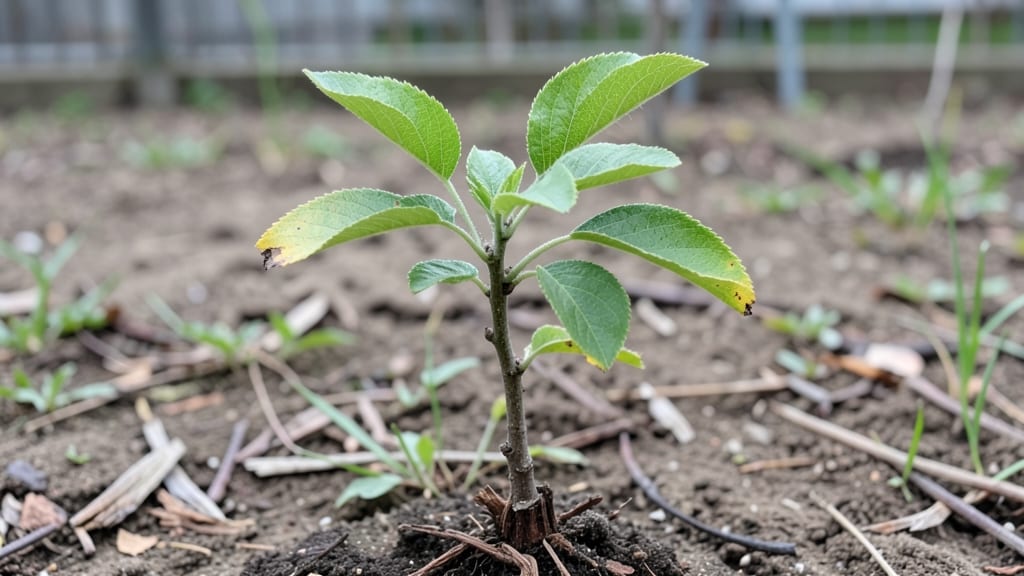
The identification of an apple tree seedling in a wild tangle of saplings can feel like solving a puzzle—until you spot those telltale leaves and stems. 🌱 I’ve spent years sorting through nursery mix-ups and wild seedlings, and the key lies in three simple visual clues: leaf shape, stem color, and growth pattern.
A single misstep here could mean years of frustration if you graft the wrong variety onto your orchard.
The most reliable starting point is leaf shape—apple seedlings typically have oval, serrated edges with a slightly pointed tip, though varieties like Honeycrisp may show deeper lobes. Young stems often sport a reddish-brown hue when exposed to sun, while bark texture shifts from smooth to slightly rough as they mature.
Compare these traits against reference images from your local extension office or trusted botanical databases.
Seasonal changes reveal even more: spring flushes of bright green leaves turn deeper by summer, and autumn brings a fiery red or orange tint before leaf drop. Wild apple seedlings (like crabapples) often grow faster but produce smaller, tart fruit—useful if you’re trying to avoid them.
With practice, you’ll spot the differences in minutes, not hours.
For tricky cases, consult a local expert or use a magnifying glass to inspect leaf veins and bud patterns. The investment of 10 minutes now saves hours of pruning mistakes later—and ensures your future orchard thrives with the exact varieties you want.
Let’s break down the visual clues step by step.
Root Causes of Misidentifying Seedlings
Accurately identifying an apple tree seedling can be tricky, especially for beginners or those unfamiliar with botanical details. Several key factors—often overlooked—can lead to confusion or errors in spotting the right species.
Below, we break down the scientific and environmental reasons why misidentification happens, along with actionable insights to avoid these pitfalls.
Apple trees (Malus domestica) grown from seeds (rather than grafts) are notoriously unpredictable. Unlike cloned cultivars, seedlings inherit a random mix of traits from two parent trees, leading to vast differences in leaf shape, stem color, and growth patterns.
- Why it happens: Seeds carry heterozygous genes (mixed dominant/recessive traits), meaning a seedling’s first leaves may resemble neither parent. For example, a seed from a Granny Smith crossed with a Honeycrisp could sprout a seedling with serrated leaves like the former but a reddish stem like the latter—neither matching the expected cultivar.
- Actionable fix:
- Compare seedlings to known parent traits (e.g., if one parent has lobed leaves, check for that pattern).
- Use a reference chart of common apple leaf shapes (e.g., McIntosh has pointed lobes, while Fuji leaves are rounded).
Seedlings under stress—whether from nutrient deficiencies, pests, or weather extremes—can develop abnormal leaf shapes or discolored stems, mimicking different species. For instance, a nitrogen-deficient seedling might produce smaller, yellowing leaves that resemble those of a wild crabapple (Malus sylvestris) rather than a cultivated apple.
| Stress Factor | Leaf/Stem Change | Misidentification Risk |
|---|---|---|
| Low nitrogen | Pale green/yellow leaves, stunted growth | Confused with wild crabapple or hawthorn seedlings |
| Fungal infection (e.g., apple scab) | Dark spots, curled leaves, blackened stems | Mistaken for disease-resistant rootstock like M.9 |
| Overwatering | Yellowing leaves, weak stems | Resembles stressed pear seedlings (Pyrus communis) |
Pro tip: 💡 Isolate seedlings in a controlled environment (e.g., a greenhouse) for 4–6 weeks to observe their natural, unstressed traits before identifying.
Apple seedlings aren’t the only young trees with lobed leaves and reddish stems. Several non-apple species can cause mix-ups, especially in early stages:
- Crabapples (Malus sylvestris): Leaves are often smaller and more rounded than domestic apple seedlings, with fewer lobes. Stems may have thorns.
- Mountain ash (Sorbus spp.): Leaves are feather-compound (multiple leaflets), unlike apple’s single, lobed leaf.
- Pear (Pyrus) seedlings: Leaves are shinier and more toothed, with a distinctive "pear-shaped" lobe.
- Hawthorn (Crataegus): Leaves are deeply lobed but with serrated edges, and stems often have sharp spines.
Actionable fix: 🎯 Use a leaf rub test—crush a leaf between fingers to check for apple’s mild almond scent (from cyanogenic glycosides), absent in pears or hawthorns.
Apple seedlings undergo dramatic changes from cotyledon (first leaves) to true leaves (mature foliage). Early-stage seedlings may have:
- Cotyledons: Simple, oval-shaped leaves (not lobed) that resemble those of many fruit trees, making identification nearly impossible at this stage.
- First true leaves: Often smaller and less lobed than adult leaves, risking confusion with wild crabapples.
- Mature leaves (6+ months): Develop distinct serrations and lobes, but if pruned or damaged, they may revert to juvenile forms.
Pro tip: ✨ Wait until seedlings are 3–6 months old before attempting identification—this is when leaf shape stabilizes and stems develop consistent colors.
Quick Fixes for Common Seedling Struggles
Got a young apple tree seedling that isn’t thriving? Don’t panic—most issues have simple, actionable solutions. Below, we’ve mapped common problems to their fixes, so you can diagnose and revive your seedling fast. Plus, we’ll share pro tips to keep it healthy long-term.
If your seedling’s leaves are turning yellow, it’s usually a cry for help—either from too much water or a lack of key nutrients.
🔧 What to Do:
- Check the soil moisture 💧: Stick your finger 1–2 inches into the soil. If it’s soggy, your seedling is drowning. Let it dry out slightly between waterings.
- Adjust your watering routine ⏰: Water deeply but infrequently (once a week, depending on climate).
Avoid shallow, frequent watering. - Fertilize smartly 🌿: Use a balanced, slow-release fertilizer (like 10-10-10) or compost. For seedlings, a quarter-strength dose is enough. - Test the pH 📊: Apple trees prefer slightly acidic soil (pH 6.0–6.5).
Use a soil test kit to check and amend with sulfur or lime if needed.
💡 Prevention Tips:
- Use well-draining soil (mix in perlite or sand).
- Water in the morning to reduce fungal risks.
- Mulch around the base (but not touching the stem) to retain moisture and regulate temperature.
A floppy seedling signals stress—likely from thirst or root damage during transplanting.
🔧 What to Do:
- Give it a deep drink 💦: Water thoroughly until it seeps out the drainage holes. Let excess water drain away.
- Check the roots 👀: Gently loosen the soil to see if roots are dry or circling.
If roots are exposed or tangled, replant deeper. - Trim damaged roots ✂️: If roots look mushy or black (rot), snip them with sterilized scissors and repot in fresh soil. - Move to shade 🌞: If wilting happens suddenly, it might be sunburn.
Relocate to partial shade for a few days.
💡 Prevention Tips:
- Water seedlings consistently—don’t let soil dry out completely.
- Transplant on a cloudy day to reduce shock.
- Use a rooting hormone if propagating from cuttings.
Spots on leaves, chewed edges, or webbing mean pests or disease are at work. Act fast before they spread!
🔧 What to Do:
- Identify the culprit 🕵️:
- Aphids (sticky residue): Blast off with water or use insecticidal soap.
- Spider mites (tiny webs): Wipe leaves with neem oil or a damp cloth.
- Fungal spots (brown/yellow patches): Prune infected leaves and spray with copper fungicide.
- Encourage natural predators 🐞: Ladybugs and lacewings eat aphids—invite them with companion plants like marigolds.
- Isolate infected seedlings 🚫: Keep them away from healthy plants to prevent spread.
💡 Prevention Tips:
- Inspect seedlings weekly for early signs.
- Avoid overhead watering (use drip irrigation instead).
- Keep the area clean—remove fallen leaves and debris.
If your seedling is barely growing, it might be starving for nutrients or light.
🔧 What to Do:
- Boost nutrients 🌱: Add compost or a phosphorus-rich fertilizer (like 5-10-10) to encourage root and leaf growth.
- Move to a sunnier spot ☀️: Apple seedlings need 6–8 hours of sunlight daily.
Rotate the pot if indoors. - Repot if root-bound 🏺: If roots circle the pot, upgrade to a slightly larger container with fresh soil.
💡 Prevention Tips:
- Start with nutrient-rich potting mix (add worm castings for extra boost).
- Rotate seedlings weekly for even light exposure.
- Avoid overcrowding—give each seedling space to stretch.
Once your seedling is back on track, keep it happy with these habits:
- Prune wisely 🌿: Remove dead or crossing branches to encourage strong structure.
- Monitor regularly 👀: Check leaves, stems, and soil monthly for early signs of trouble.
- Hardening off 🌦️: If growing indoors, gradually expose to outdoor conditions before permanent planting.
With these fixes, your apple tree seedling should bounce back in no time. Remember: patience and consistency are key—just like growing a full-sized tree! 🍏🌱
Frequently asked questions
How can I tell if a young seedling is an apple tree?
Look for lobed leaves with serrated edges and a reddish-brown stem when exposed to sunlight. True apple seedlings develop these traits by 3-6 months, while early leaves (cotyledons) may resemble other trees. Crush a leaf to check for a mild almond scent, unique to apples.
What’s the difference between apple seedlings and crabapple seedlings?
Crabapple seedlings typically have smaller, rounder leaves with fewer lobes and often feature thorns on the stems. Domestic apple seedlings grow larger with more pronounced leaf serrations. Wild crabapples also produce tiny, tart fruit earlier than cultivated varieties.
Can I identify an apple seedling from its first leaves?
No—first leaves (cotyledons) are simple and oval-shaped, making identification impossible at this stage. Wait until the true leaves appear (usually after 4-6 weeks) when distinct lobing and serrations develop. Compare with reference images from your local extension office.
Why does my seedling look different from the parent tree?
Apple seedlings inherit random genetic traits from two parent trees, creating unpredictable variations. A seed from a Granny Smith crossed with Honeycrisp might produce a seedling with neither parent's exact leaf shape. This is why grafting is preferred for consistent varieties.
How do I know when my seedling is ready for grafting?
Wait until your seedling has a stem diameter of at least 1/4 inch and shows healthy, mature leaves (typically 1-2 years old). Grafting too early risks poor union formation. Choose a sunny day and use a clean, sharp grafting knife for best results.