Pruning
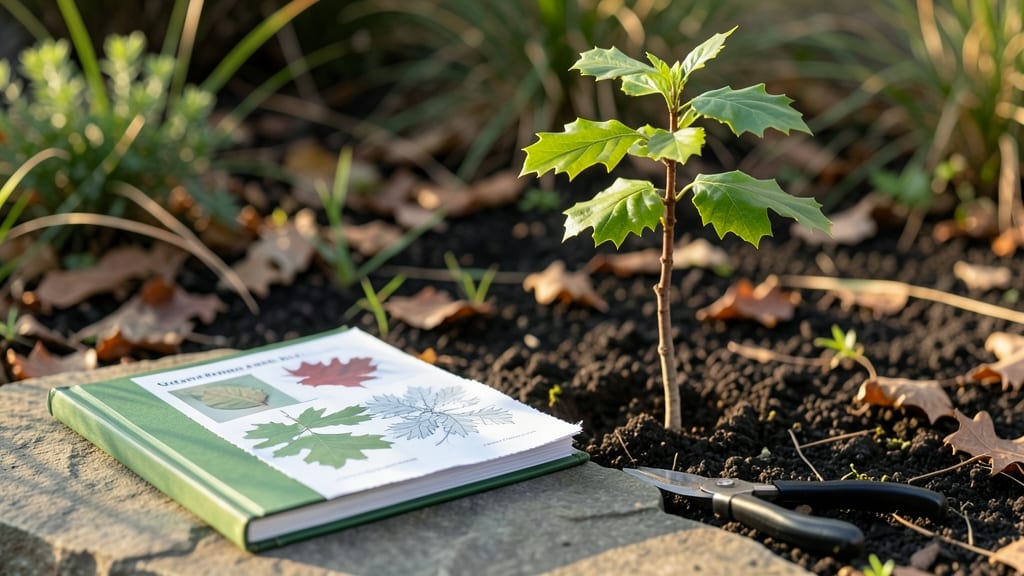
Mastering tree seedling identification by leaf patterns and growth clues saves you from accidentally killing a future shade tree—or worse, planting an invasive species. 🌱 I’ve spent years watching seedlings pop up in my yard, and I’ve learned that a quick leaf shape check can tell you everything you need to know about what you’re dealing with.
The key is paying attention to leaf edges, vein patterns, and how the leaves attach to the stem. A smooth-edged leaf with a pointed tip might be a maple, while jagged edges and serrated teeth could signal an oak.
Even the way leaves grow—alternate, opposite, or in clusters—gives big clues. I keep a small notebook with sketches of the most common seedlings in my area.
Once you recognize the patterns, you’ll know whether that seedling is a fast-growing willow you can transplant or a troublesome Bradford pear that’ll need to stay put. Proper identification means you can give each seedling the right care—or remove it before it becomes a problem.
This skill alone will transform how you manage your yard.
For tricky cases, I rely on a free plant ID app and a regional field guide. The tools make it easy to confirm what you see in the field, so you’re never left guessing.
Whether you’re restoring native habitat or just trying to figure out what’s sprouting in your flower bed, these methods work every time.
Mistakes That Blur Identification
Accurate tree seedling identification relies on clear observation—but several common factors can cloud your judgment, leading to misidentification. Understanding these pitfalls helps you avoid errors and ensures you’re working with the right species. Here’s why confusion happens, and how to spot it.
Young seedlings often don’t look like their mature counterparts. Their leaves may be smaller, differently shaped, or even lobed in ways that don’t match field guides. For example:
- Oak seedlings might start with simple, rounded leaves before developing the classic lobed shape.
- Pine seedlings may resemble spruce or fir until their needles cluster in groups of two or five.
Why it happens: Trees prioritize survival over resemblance in early growth stages. Their energy goes into root and stem development, not perfect leaf replication. Pro tip: 💡 Compare seedlings to juvenile reference photos in guides—not just mature trees.
Disease, pests, or harsh conditions can warp leaf shapes, making identification nearly impossible. Look for these red flags:
| Cause | Effect on Leaves | Example |
|---|---|---|
| Fungal infections (e.g., powdery mildew) | Distorted, curled, or spotted leaves | Apple or hawthorn seedlings may look unrecognizable |
| Insect damage (e.g., aphids, mites) | Holes, discoloration, or stunted growth | Birch seedlings with chewed edges |
| Herbicide drift or pollution | Bleached, yellowed, or irregular edges | Dogwood seedlings with scorched tips |
Why it happens: Stress triggers abscisic acid production, a plant hormone that alters growth patterns. Without intervention, seedlings may develop permanently deformed features. Actionable fix: 🔍 Isolate damaged seedlings and compare them to healthy specimens of the same species.
Some seedlings are hybrids—crosses between two species—that inherit traits from both parents. Even purebred trees can have sport mutations, where a single branch grows leaves unlike the rest of the plant.
- Example: A Red Oak × White Oak hybrid might have leaves with fewer lobes than either parent.
- Example: A Ginkgo seedling could sprout with fan-shaped leaves that look like a Maidenhair Tree (though ginkgos are technically their own genus).
Why it happens: Pollen transfer between species or random genetic recombination creates unpredictable leaf structures. Pro tip: ✨ Check for consistency—if a single seedling has wildly different leaves on one branch, it’s likely a sport, not a misidentified species.
By recognizing these causes, you’ll sharpen your eye for true identifying features—like vein patterns, bud shapes, or bark texture—rather than red herrings. Next up: how to verify your ID with field-tested methods.
Quick Fixes for Seedling ID Struggles
Identifying tree seedlings can feel like solving a puzzle when the clues are too vague or the growth patterns are confusing. But don’t worry—with the right approach, you can turn confusion into confidence!
Below are practical solutions tailored to common challenges, from misidentifying species to dealing with overlapping traits. Each fix includes prevention tips to keep your future identifications smooth as silk.
Problem: Two seedlings share the same leaf shape, color, or bark texture, making it impossible to tell them apart at first glance.
Solution:
- 🌿 Examine the Leaf Arrangement
- Opposite vs. Alternate Leaves: Map the pattern—do leaves grow directly across from each other (opposite, like lilacs) or staggered along the stem (alternate, like oaks)?
- Pro Tip: 💡 Snap a photo from above and trace the leaf positions with a highlighter to spot subtle differences.
- 🌱 Check the Stem and Bark
- Smooth vs. Ridged: Young maples have smooth stems, while hickories develop ridged bark early.
- Hairiness: Some seedlings (like birch) have fuzzy stems—run your fingers along the stem for texture clues.
- 🌳 Compare Seedling Size and Shape
- Broad vs. Narrow Growth: A seedling with a bushy, rounded crown (e.g., apple) differs from one with upright branches (e.g., pine).
- Use a Ruler: Measure leaf length and width—tiny differences (e.g., 2 inches vs. 3 inches) can reveal the species.
Prevention:
- 📸 Keep a Field Notebook: Jot down observations (leaf scent, stem color) immediately after spotting a seedling. Over time, you’ll spot patterns.
- 🌍 Study Local Species First: Focus on 3–5 common seedlings in your region to avoid overwhelm.
Problem: Seedlings with immature or chewed leaves lack the defining traits you need for ID.
Solution:
- 🔍 Look for "Juvenile Traits"
- Some seedlings (like sweetgum) have lobed leaves as adults but smooth-edged leaves when young. Compare with mature trees in your area.
- Pro Tip: 🌡️ If leaves are curled or discolored, wait a week—new growth often reveals true traits.
- 🐛 Rule Out Pests
- Chewed Leaves? Look for caterpillars or mites. Healthy leaves = better ID chances.
- Treatment: Spray with neem oil (safe for seedlings) or introduce beneficial insects like ladybugs.
- 📏 Use a Leaf Key App
- Apps like LeafSnap or PictureThis can match damaged leaves by focusing on vein patterns or remaining lobe shapes.
Prevention:
- ⏰ Plant at the Right Time: Avoid transplanting seedlings in late summer—new leaves grow slower and may stay stunted.
- 🛡️ Shield Young Seedlings: Use row covers or mesh to protect from pests during the most vulnerable growth stages.
Problem: Tiny seedlings lack visible bark, stems, or distinct leaves, making ID nearly impossible.
Solution:
- 🌱 Focus on the Cotyledons (First Leaves)
- Shape Matters: Two rounded cotyledons (like maples) vs. elongated ones (like pines) can hint at the species.
- Color Check: Some seedlings (e.g., walnut) have red cotyledons—note these early signs.
- 🌍 Trace the Parent Tree
- If the seedling is near a mature tree, the ID is often obvious. Note the parent’s leaf shape, fruit, or bark.
- Pro Tip: ✨ Collect fallen leaves or acorns from the area to cross-reference.
- 🔬 Use a Magnifying Glass
- Examine leaf undersides for hairs, glands, or unique venation. A 10x magnifier reveals details you’d miss otherwise.
Prevention:
- 🌱 Grow from Known Sources: If planting intentionally, label seedlings with the species name at transplanting.
- 📅 Monitor Growth Weekly: Small daily changes (like first true leaves) become major ID clues over time.
Problem: No matter how hard you look, the seedling defies all your knowledge.
Solution:
- 📖 Use a Field Guide
- Top Picks:
- Peterson Field Guide to Trees (covers seedlings)
- Native Trees of the Southeast (regional focus)
- Pro Tip: 🎯 Bookmark pages for your top 10 local species—most seedlings fall into this group.
- Top Picks:
- 🌐 Join Online Forums
- Post photos on Reddit’s r/whatsthisplant or iNaturalist—experts often reply within hours.
- Example Post: "Found this seedling in Michigan with 3-lobed leaves and smooth bark—any guesses?"
- 🔬 Send a Sample to an Extension Office
- Many state agricultural extensions offer free or low-cost plant ID services. Mail a pressed leaf or photo for expert analysis.
Prevention:
- 📅 Schedule a "Seedling Walk" Seasonally
- Visit the same patch in spring, summer, and fall to document changes (e.g., bud shapes, fall colors).
- 📸 Create a Personal Seedling Album
- Organize photos by leaf shape, region, and season in a digital folder for quick reference.
Final Reminder: 🌟 Patience is key—some seedlings take years to reveal their true nature. The more you observe, the sharper your eye becomes. Happy identifying!
Frequently asked questions
What are the most reliable features for identifying tree seedlings?
Focus on leaf shape, arrangement, and edges—these are the most consistent clues. For example, maple seedlings have smooth-edged leaves with pointed tips, while oak seedlings often start with simple, rounded leaves before developing lobes. Also check if leaves grow opposite (like lilacs) or alternate (like oaks) along the stem.
How can I tell if a seedling is native or invasive?
Compare it to your regional field guide or use apps like iNaturalist. Invasive seedlings often have aggressive growth habits—look for rapid height increase, dense clusters, or leaves that differ significantly from native species in your area. For example, Bradford pear seedlings are common invasives with glossy, toothed leaves.
Why do some seedlings look completely different from mature trees?
Young trees prioritize survival over resemblance—early leaves may be simpler or smaller. For instance, sweetgum seedlings have smooth-edged leaves, while mature trees develop star-shaped lobes. Always compare to juvenile reference photos in guides, not just adult trees.
Can I use just my phone to identify seedlings?
Apps like LeafSnap or PictureThis analyze leaf shapes and vein patterns. For best results, take clear photos of both leaf tops and undersides, and include a reference object (like a coin) for scale. Combine app results with your local field guide for accuracy.
What should I do if I can't identify a seedling at all?
Start with the cotyledons (first leaves) and examine the stem texture. If still stuck, post photos to r/whatsthisplant on Reddit or contact your local extension office—they often offer free ID services. Bring pressed leaves or a clear photo for expert analysis.