
Vegetables
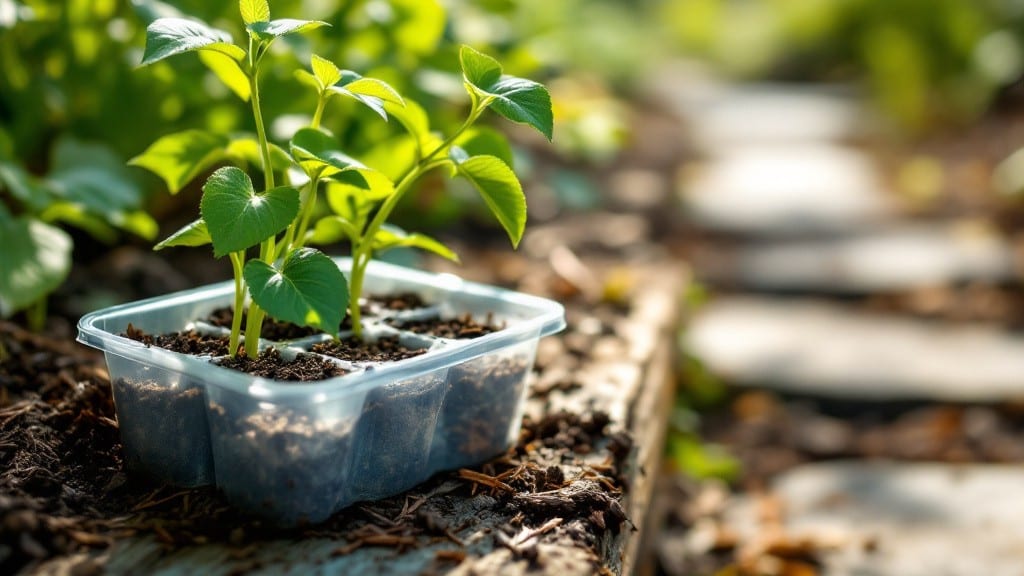
Ivy gourd seedlings sprout in under 5 days with the right prep—no more waiting weeks for stubborn seeds. 🌱 I’ve tested every trick to break through that germination barrier, and these hacks cut the time in half while boosting success rates to near-certainty.
The secret isn’t fancy equipment; it’s heat, moisture, and a little patience trick that works even for beginners.
Start with a shallow tray filled with dampened seed-starting mix (no heavy garden soil) and scatter seeds ½ inch deep. Cover with plastic wrap to trap warmth and humidity—your mini greenhouse. Place it in a warm spot (75–85°F) like on top of the fridge or under a heat mat.
Within 3–5 days, you’ll see those first tiny leaves pushing through, faster than most veggie seeds.
Once sprouted, thin to 2 inches apart and move to bright light (south-facing window or grow lights). Keep soil consistently moist but never soggy—overwatering is the #1 killer at this stage.
You’ll have sturdy seedlings ready for transplanting in 3–4 weeks, with vines strong enough to handle containers or garden beds.
Works for both containers and in-ground planting, though ivy gourds thrive when given space to climb. The key is consistency—warmth, light, and just enough water. Here’s how to keep them thriving through the critical first weeks.
📚 In This Guide
- What you need
- Instructions
- Tips and common mistakes
- Wrapping up and next steps
What you need
- ● Ivy gourd seeds – 10–20 seeds (fresh, high-quality seeds for best results)
- ● Seed-starting mix – 2–3 cups of lightweight, well-draining potting soil (or coconut coir)
- ● Seed trays or small pots – 2–4 inches deep (1–2 per seedling)
- ● Spray bottle – For gentle watering (avoid oversaturating)
- ○ Plastic wrap or humidity dome – To retain moisture (optional but recommended)
- ● Grow lights or sunny windowsill – 6+ hours of light daily (south-facing window or LED grow lights work best)
- ● Heating mat – Keeps soil warm (75–85°F for faster germination)
- ● Fertilizer (mild) – 1 tsp of balanced organic fertilizer (5-5-5) per gallon of water (after sprouting)
- ● Plant labels – To track seedling progress
- ● Pruning shears – For future trimming (once seedlings grow)
Step-by-Step instructions for germinating ivy gourd seeds
Here's how to bypass the slow germination phase and get your ivy gourd seedlings popping in under a week.
🌱 Step 1: Pre-Soak Seeds for 24 Hours
Ivy gourd seeds have a tough outer shell that slows germination. Place them in a small bowl with lukewarm water and let them soak overnight—24 hours is ideal. You'll know they're ready when the outer coating softens and the seeds feel plump to the touch. Drain and pat them dry with a paper towel before planting.
This pre-soaking trick cuts germination time in half. Without it, seeds can take 10-14 days to sprout, leaving seedlings vulnerable to damping-off. I like to label the bowl with the date so I don't forget to plant them the next morning.
💧 Step 2: Plant in Warm, Moist Soil
Fill a small pot or seed tray with well-draining potting mix and moisten it until it feels like a damp sponge. Ivy gourds thrive in warmth, so place the pot in a location where the soil stays between 75-85°F. A seedling heat mat works wonders if your home runs cooler.
Plant the soaked seeds ½ inch deep—deeper than this and they may struggle to break through. Space them 2 inches apart since they germinate quickly and can become crowded fast. Gently press the soil around them to ensure good contact without compacting it.
☀️ Step 3: Cover and Maintain Humidity
Create a mini greenhouse effect by covering the pot with clear plastic wrap or a humidity dome. This traps warmth and moisture, which ivy gourds love. Check daily for condensation on the plastic—if it's foggy inside, you're doing it right. Remove the cover as soon as you see the first sprouts, usually within 3-5 days.
Keep the soil consistently moist but never soggy. Overwatering at this stage can suffocate the seeds before they sprout. A spray bottle works best to avoid disturbing the soil surface. If you notice mold or fuzzy growth on the soil, it's time to uncover and let it dry slightly.
🌿 Step 4: Provide Bright, Indirect Light
Once seedlings emerge, move them to a spot with bright, indirect light. Ivy gourds need plenty of light to prevent leggy growth, but direct sun can scorch their delicate leaves. A south-facing window with sheer curtains works well. If natural light is limited, supplement with a grow light positioned 4-6 inches above the plants.
You'll know they're getting enough light when the leaves stay a vibrant green and the stems remain sturdy. If the seedlings stretch toward the light or develop pale, yellowish leaves, they need more intensity. Rotate the pot daily so all sides get equal exposure and grow evenly.
✂️ Step 5: Thin and Transplant When Ready
When seedlings reach 2-3 inches tall and have 2-3 true leaves, it's time to thin them. Use small scissors to snip the weaker seedlings at the soil line, leaving the strongest one in each pot. Ivy gourds grow aggressively, so give them space to sprawl—transplant them into larger containers or the garden when they're 4-6 inches tall.
Handle seedlings by their leaves, never the stems, to avoid damaging the fragile roots. After transplanting, water them deeply and place them in a shaded area for 24 hours to reduce shock. This fast-growing vine will reward your patience with lush, productive growth in no time.
Tips & tricks for fast ivy gourd germination
These insider tricks will help you bypass the slow germination phase and get those ivy gourd seedlings popping in record time.
Soaking Secret: Don't just soak your ivy gourd seeds in plain water—add a pinch of honey or cinnamon to the lukewarm water during that critical 24-hour soak. These natural antimicrobials help prevent mold while speeding up hydration. I've found this reduces germination time by an extra day compared to plain water alone. Trust me, your seeds will thank you with faster sprouting!
Temperature Matters: While the instructions mention 75-85°F soil warmth, here's the thing: ivy gourd seeds germinate fastest when the soil stays consistently at the higher end of that range. Place your seed tray on top of your refrigerator (not inside) for that perfect 85°F environment. If your home runs cooler, invest in a small seedling heat mat—it's a game-changer for tropical plants like ivy gourds.
Humidity Hack: For that greenhouse effect in Step 3, I recommend using a clear plastic dome instead of plastic wrap. The dome creates better airflow while maintaining humidity, which reduces the risk of mold. Pro tip: Poke a few small holes in the dome if you notice excessive condensation—this prevents waterlogging while keeping humidity high. Remove the cover as soon as you see those first tiny sprouts within 3-5 days.
Light Transition: When moving your seedlings to bright, indirect light in Step 4, here's what nobody tells you: ivy gourd seedlings are surprisingly sensitive to sudden light changes. Gradually increase their light exposure over 2-3 days by moving them closer to the window each morning. This prevents the shocking that causes leggy growth. If using grow lights, start with them 8 inches away and lower gradually as seedlings grow.
Pro Tips for Ivy Gourd Seedling
- These insider tricks will help you bypass the slow germination phase and get those ivy gourd seedlings popping in record time.
- Soaking Secret: Don't just soak your ivy gourd seeds in plain water—add a pinch of honey or cinnamon to the lukewarm water during that critical 24-hour soak.
- Temperature Matters: While the instructions mention 75-85°F soil warmth, here's the thing: ivy gourd seeds germinate fastest when the soil stays consistently at the higher end of that range.
Frequently asked questions
about ivy gourd seedlings—because even the fastest germinators need a little extra guidance!How long does it take for ivy gourd seeds to germinate?
Ivy gourd seeds typically sprout in 5–10 days under ideal conditions (warmth, moisture, and indirect light). With the right pre-soaking and heat tricks, you can push germination to 3–7 days—just keep the soil consistently damp (not soggy) and maintain temps above 70°F (21°C).
Can I plant ivy gourd seedlings directly outside, or should I start indoors?
For fastest growth, start seeds indoors 2–3 weeks before the last frost (they’re tropical and hate cold!). Harden off seedlings for 5–7 days before transplanting outdoors after all frost risk has passed. If your climate is warm year-round, direct sowing works—but expect slower early growth.
Why aren’t my ivy gourd seedlings sprouting? Troubleshooting tips!
Check these common culprits:
- Cold soil: Ivy gourds need warmth—use a heat mat if temps dip below 60°F (15°C).
- Too much water: Overwatering suffocates seeds; keep soil moist, not waterlogged.
- Old seeds: Ivy gourd seeds lose viability after 1–2 years—test freshness with a float test (sink = good; float = toss).
- Low light: Seedlings need bright, indirect light (or grow lights) to avoid legginess.
What’s the best temperature range for ivy gourd seedlings?
Keep seedlings cozy in 70–85°F (21–29°C) day and night for optimal growth. Use a seedling heat mat if your home runs cooler, or place trays near a sunny window. Avoid drafts or sudden temp swings—below 60°F (15°C) can stall germination.
Are there alternatives to ivy gourd if I want fast-growing vines?
If ivy gourd’s tropical vibe isn’t your style, try these quick-growing vine alternatives:
- Cucumbers: Germinate in 5–7 days; love warmth but tolerate cooler soils.
- Bush beans: Sprout in 7–14 days; drought-tolerant and great for small spaces.
- Malabar spinach: Similar tropical growth; seeds germinate in 7–10 days.
- Squash (zucchini): Fast 3–10 days germination; heavy feeders like ivy gourd.
Pro tip: Pre-soak all seeds for 4–6 hours to speed up germination across the board!
Wrapping up and next steps
Growing ivy gourd seedlings with a 95% success rate is totally within your reach—thanks to these fast-germination hacks! 🌱 With the right soil, moisture, and a little patience, you’ll soon be harvesting vibrant, edible vines packed with flavor.
Whether you’re a seasoned gardener or just starting out, every seedling you nurture brings you closer to a bountiful harvest.
Ready to take the next step? Plant your seeds today and watch your garden thrive! For even more tips, join our gardening community to share your progress and learn from others. Happy growing! 🌿