
Lawn
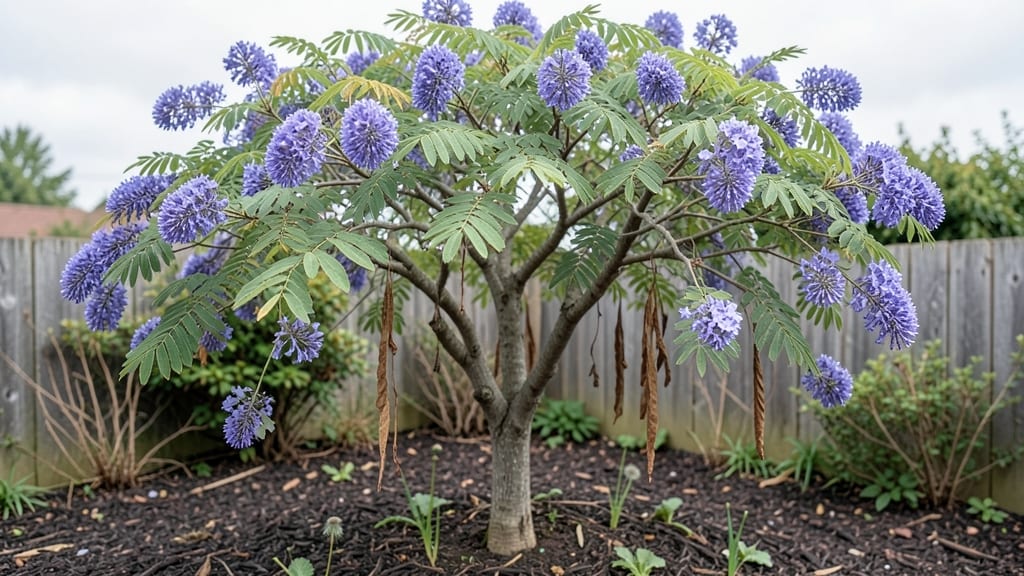
Growing a jacaranda tree from those papery purple seed pods feels like unlocking a secret—one that turns your backyard into a fragrant, shade-filled haven. 🌿 I’ve watched these delicate trees grow from tiny seeds into towering privacy screens, their lavender blooms transforming bare branches into cascading clouds every spring.
The key is patience: these seeds need a little coaxing to break dormancy, but once they sprout, they reward you with decades of ornamental beauty.
You’ll need just a few supplies: those dried seed pods (collected after they’ve opened naturally), a shallow tray for stratification, some potting mix, and a sunny spot. The tricky part is the cold treatment—mimicking winter’s chill by refrigerating the seeds for 6-8 weeks—but it’s worth it.
Once they germinate, young jacarandas thrive in well-draining soil and full sun, growing 3-5 feet per year in ideal conditions.
Imagine your privacy fence replaced by a living, flowering wall—one that stays lush year-round with glossy green leaves. The real magic happens in late spring, when the tree erupts in foot-long purple blossoms that perfume the air.
With proper care, your seedling will mature into a 30-50 foot tree, offering shade, beauty, and that coveted backyard retreat.
Here’s the thing—jacarandas aren’t fussy, but they do need consistent moisture while establishing. Overwatering is the biggest rookie mistake, so let the top inch of soil dry between waterings.
And if you’re in a cooler climate, plan to grow it in a container for the first few years until it’s tough enough for your zone. Let’s get those seeds sprouting!
📚 In This Guide
- What you need
- Instructions
- Tips and common mistakes
- Wrapping up and next steps
What you need
- ● Jacaranda seed pods: 10–20 fresh, dry pods (harvested from mature trees in late winter/early spring). Pro tip: Store pods in a paper bag for 2–4 weeks to speed up germination!
- ● Well-draining potting mix: 5–10 gallons (blend equal parts cactus/succulent mix, perlite, and coarse sand). 💡 Avoid garden soil—jacarandas hate soggy roots!
- ● Seed-starting trays or small pots: 2–4 (4" diameter minimum) with drainage holes. 🔥 Reuse yogurt cups with holes punched in the bottom for budget-friendly starts!
- ● Spray bottle or watering can: With a fine mist nozzle (to keep seeds moist without drowning them).
- ● Clear plastic wrap or humidity dome: To create a mini greenhouse effect.
- ○ Gloves (optional but recommended): Jacaranda seed pods have sticky resin—wear thin gardening gloves to avoid stains!
- ● Seed germination accelerator: Like Rooting Hormone Gel or Hydrogen Peroxide (3%) to boost sprouting speed.
- ● Grow lights or sunny windowsill: A full-spectrum LED grow light (12–16 hours/day) if natural light is limited.
- ● Transplanting tools: Small trowel, biodegradable pots, and mycorrhizal fungi for faster root establishment.
- ● Mulch (after transplanting): Wood chips or straw to retain moisture and deter weeds.
Step-by-step instructions for growing jacaranda trees from seed pods
Here's the foolproof method I've used to grow sturdy jacaranda saplings from seed pods—no nursery shortcuts needed.
🌱 Step 1: Harvest and Prepare the Seed Pods
Collect mature jacaranda seed pods when they turn brown and begin splitting open naturally. The pods contain winged seeds that need no stratification—just fresh air and patience. I like to work with pods that have been on the ground for a few days, as this softens the outer coating slightly. Remove the seeds carefully, ensuring each has its papery wing intact—this is crucial for germination.
Spread the seeds on a paper towel in a single layer and mist them lightly with water. Place them in a sealed plastic bag for 72 hours at room temperature. This mimics natural rain exposure and helps break seed dormancy. Check daily—you'll see the outer coating soften noticeably, which signals they're ready for planting.
💧 Step 2: Plant Seeds in Moist, Well-Draining Medium
Use the 3 gallons of seed-starting mix you've prepared, blending it with 1 cup perlite to ensure excellent drainage—jacaranda roots despise soggy conditions. Fill small pots (3-4 inches deep) about halfway, then press the soil down gently to remove air pockets. This ensures consistent moisture without compacting the mix.
Plant each seed ¼ inch deep, pressing lightly to secure it without burying the wing. Space seeds 1 inch apart in each pot. Water gently until the surface looks damp but not wet. Place the pots in a warm spot (70-75°F) with bright, indirect light—direct sun at this stage will dry out the soil too quickly. You'll see tiny roots emerge within 10-14 days, so keep the soil consistently moist but never soggy.
☀️ Step 3: Provide Gradual Sun Exposure and Prune Early
Once seedlings show their first true leaves (not the initial seed leaves), move them to a location with morning sun and afternoon shade for 2 weeks. This hardens them off slowly. Jacaranda seedlings grow fast but are delicate—you'll notice leggy growth if they stretch toward light. If this happens, reduce light intensity slightly or move the pot farther back.
When seedlings reach 6 inches tall, trim the top set of leaves to encourage bushier growth. This is where most growers go wrong—they let the central stem dominate, leading to weak, top-heavy trees. Pinch back the main stem just above a leaf node, and you'll trigger 3-4 side branches within 4-6 weeks. This creates a sturdy framework for your privacy tree.
🪴 Step 4: Transplant to Larger Containers and Monitor Growth
After 3 months, when seedlings have 4-5 sets of true leaves, transplant them into 5-gallon containers using the remaining 2 gallons of potting mix. Jacaranda roots grow deep, so choose pots with drainage holes and at least 12 inches of depth. Water deeply after transplanting to settle the soil around the roots—you'll see the pot's weight increase noticeably.
Place the containers in full sun for 6+ hours daily, as mature jacarandas crave intense light. You'll notice new leaves developing with a distinct silvery underside—this is your sign they're thriving. Fertilize lightly with a balanced 10-10-10 formula every 6 weeks during the growing season. Avoid heavy feeding, as jacarandas prefer lean soil and over-fertilization leads to weak, floppy growth.
⏰ Step 5: Overwinter and Prepare for Outdoor Planting
In cooler months, bring containers indoors to a bright, cool location (55-65°F) where they receive natural light. Reduce watering to every 2-3 weeks, allowing the top 1 inch of soil to dry between waterings. You'll see growth slow dramatically, but the tree will remain dormant and healthy. Prune any dead or yellowing leaves to prevent disease.
When spring arrives and nighttime temperatures stay above 50°F, acclimate the saplings by moving them outdoors for 2 hours daily, gradually increasing their time outside over 2 weeks. Once they tolerate full sun without wilting, they're ready for permanent planting in the ground. Space mature trees 20-30 feet apart for that classic jacaranda privacy screen—just remember, patience is key, as these beauties take 3-5 years to reach full height.
Tips & tricks for perfect jacaranda seedling growth
These essential insights will help you avoid common pitfalls and maximize your jacaranda seeds' potential from the very first step.
Seed Preparation: The 72-hour room-temperature soak is non-negotiable for breaking dormancy, but here's the secret: place a small dish of water inside the sealed bag with your seeds. This creates humidity that mimics tropical rainforest conditions, accelerating the softening process. I've found that seeds soaked this way often show visible root hairs by day 3, giving you a head start on germination.
Soil Science: When mixing your 3 gallons of seed-starting mix with 1 cup perlite, don't just eyeball it—measure by volume. A 3:1 ratio creates the perfect balance of moisture retention and drainage. I like to add a handful of worm castings to the mix for natural microbial activity that boosts early root development. The key is maintaining that "damp sponge" texture where water drains freely but doesn't pool.
Light Management: That 70-75°F warm spot with bright indirect light is crucial, but here's what most growers miss: jacaranda seedlings respond to light intensity changes. If you notice them stretching toward the light source (a condition called etiolation), it's time to rotate your pots daily. This exposes all sides evenly and prevents that leggy, weak growth that collapses under its own weight.
Pruning Strategy: The 6-inch height mark for your first pinch isn't arbitrary—it's when the plant has developed enough energy reserves to support new lateral growth. When you trim that top set of leaves, make your cut just above a leaf node where you see a tiny bump (that's where new branches will form). I've seen growers hesitate to prune because they fear harming the plant, but this is exactly when jacarandas respond best to shaping.
Pro Tips for Jacaranda Seed Pods
- These essential insights will help you avoid common pitfalls and maximize your jacaranda seeds' potential from the very first step.
- Seed Preparation: The 72-hour room-temperature soak is non-negotiable for breaking dormancy, but here's the secret: place a small dish of water inside the sealed bag with your seeds.
- Soil Science: When mixing your 3 gallons of seed-starting mix with 1 cup perlite, don't just eyeball it—measure by volume.
Frequently asked questions
about jacaranda seed pods—because growing a privacy tree from tiny seeds should be easy-peasy! Here are answers to the most common queries to help you succeed.How long does it take for jacaranda seed pods to germinate?
Jacaranda seeds can take anywhere from 2 weeks to 6 months to sprout, depending on temperature and moisture. Keep the soil consistently damp and in warm conditions (70–80°F) for best results. Patience is key—some seeds may surprise you with quick germination!
When is the best time to plant jacaranda seed pods?
The ideal time is late winter or early spring, after the last frost. This gives seedlings a full growing season to establish roots before winter. If you’re in a warm climate, fall planting can also work—just ensure temperatures stay above 50°F.
Can I grow jacaranda from seed pods I find on the ground?
Collect fresh, dry seed pods (they’ll split open naturally) and extract the seeds. Just avoid pods that are moldy or rotting. Pro tip: Soak seeds in warm water for 24 hours before planting to speed up germination.
How tall will my jacaranda tree grow from seed?
Mature jacarandas reach 30–50 feet tall, but seedlings grow slowly—expect 1–2 feet per year initially. With proper care, your tree could provide full privacy in 5–10 years. Prune young trees to encourage bushier growth if you want faster coverage!
What should I do if my jacaranda seeds won’t sprout?
Try these fixes:
- Check moisture: Overwatering can suffocate seeds, while dry soil halts germination. Aim for consistently damp (not soggy) soil.
- Test temperature: Seeds need warmth—place the pot near a sunny window or use a seedling heat mat.
- Scarify seeds: Gently nick the seed coat with sandpaper to help water penetrate (some seeds are tough!).
Wrapping up and next steps
Jacaranda seed pods hold the magic of transforming your yard into a lush, private oasis—all from tiny seeds! 🌱 With the right soil, sunlight, and care, you’ll soon enjoy year-round beauty and natural shade.
Whether you’re a gardening newbie or a seasoned pro, these pods make it easy to grow a stunning privacy screen.
Ready to take the next step? Grab your seed pods, gather your tools, and start planting today! Your dream backyard retreat is just a few seeds away. 🌿