Propagation
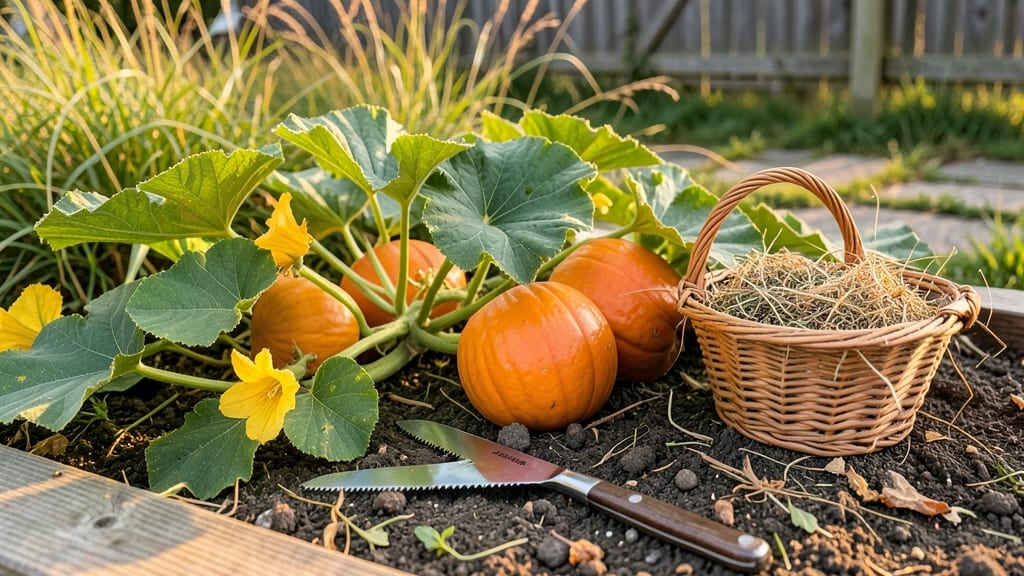
Growing kabocha pumpkin seeds delivers sweet, dense flesh in just 80-100 days—faster than most winter squash. I’ve grown them for years, and the secret to speed isn’t fancy soil or greenhouse setups, but timing and a few simple tricks that cut germination time by nearly half.
The first true leaves appear within 5-7 days when you do it right, and those vines grow like crazy once established.
Start indoors in biodegradeable pots 4-6 weeks before your last frost, using a mix of potting soil and compost. Kabocha seeds need warmth to sprout—place them near a sunny window or under grow lights until soil temps hit 70°F.
The key is keeping the soil consistently moist but not soggy; a spray bottle works better than watering from above. Once seedlings have two sets of leaves, harden them off for a week before transplanting after all danger of frost has passed.
By midsummer, you’ll be harvesting 3-5 pound pumpkins with thick, sweet flesh perfect for roasting or soups. The vines spread wide but stay manageable with proper spacing—give them 50-60 inches of diameter—and watch as the leaves turn a deep, glossy green.
Even in cooler climates, kabocha thrives where other squash fail, thanks to its cold tolerance and disease resistance.
Here’s where it gets interesting—kabocha seeds stay viable for years, so save a few from your harvest for next season.
The more you grow, the more you’ll notice how adaptable they are: they handle partial shade better than most pumpkins, and their compact size makes them ideal for smaller gardens or containers. Now let’s get those seeds sprouting!
📚 In This Guide
- What you need
- Instructions
- Tips and common mistakes
- Wrapping up and next steps
What you need
- ● Kabocha pumpkin seeds: 5–10 high-quality, organic seeds (ensure they’re fresh—ideally harvested within the last year for best germination rates).
- ● Seed-starting mix: 1–2 cups of lightweight, well-draining potting soil (look for a blend labeled for seedlings or vegetables). Avoid garden soil—it’s too dense!
- ● Biodegradable seed pots or peat pellets: 5–10 small pots (2–3 inches in diameter) to prevent root disturbance during transplanting.
- ● Watering can or spray bottle: With a fine mist nozzle to keep soil moist without oversaturating.
- ● Plastic wrap or humidity dome: To create a mini greenhouse effect and retain warmth.
- ● Grow lights or sunny windowsill: A spot receiving 6–8 hours of indirect sunlight daily (or a grow light for 12–14 hours if indoors).
- ● Small hand trowel: For gently planting seeds without damaging them.
- ○ Thermometer (optional): To monitor soil temperature (ideal range: 70–90°F for germination).
- ● Fertilizer (balanced, water-soluble): Diluted to half-strength for seedlings (e.g., 5-5-5 NPK ratio). Wait until sprouts appear before applying!
- ● Label markers: To tag pots with seed variety and planting date.
- ○ Heat mat (optional for cold climates): To warm soil to 85–90°F and speed up germination.
Instructions for growing kabocha pumpkin seeds with fast germination
Here's how to get your kabocha pumpkin seeds sprouting in record time—no waiting weeks for stubborn germination.
Soak Seeds Overnight for Faster Sprouting
Place your kabocha pumpkin seeds in a bowl and cover them completely with lukewarm water. Let them soak for 12-24 hours—this softens the tough outer shell and triggers quicker germination. I like to use a mesh bag or strainer so I can easily lift them out without losing any.
Check on them after 12 hours. If the water feels cloudy or smells funky, drain and refresh it. The seeds are ready when you see tiny white sprouts peeking out—usually within 16-20 hours. Don't skip this step; dry seeds can take 2-3 weeks to germinate, but soaked ones often sprout in just 3-5 days.
Prepare Containers and Planting Mix
Fill your planting containers with a lightweight, well-draining seed-starting mix—nothing heavier than regular potting soil. Kabocha seeds need room to stretch their roots, so avoid compacted or clay-heavy mixes. I use a 4-inch deep container for each seed since kabocha plants grow large.
Moisten the mix until it's damp but not soggy—think of a wrung-out sponge. Press the soil down lightly so it's firm enough to support the seedling but not so tight that roots can't push through. Plant 1-2 seeds per container, about 1 inch deep, since kabocha seeds are large and need space to grow.
Provide Warmth and Humidity for Germination
Kabocha seeds thrive in warmth, so place your containers in a spot where the soil stays between 75-85°F. A seedling heat mat works wonders if your home runs cooler. Cover the containers with clear plastic wrap or a humidity dome to trap moisture—this keeps the soil consistently damp, which is critical for germination.
Check daily for condensation on the plastic. If it's foggy inside, your humidity is perfect. If it's dry, mist the soil lightly and reseal. Keep the containers in darkness for the first 3-5 days—light can slow germination. Once you see sprouts, remove the cover and move them to a bright, indirect light spot.
Transplant Seedlings When Strong Enough
After 2-3 weeks, your seedlings should have 2-3 true leaves and a sturdy stem. This is your cue to transplant them into larger containers or directly into the garden. Kabocha plants need space—3-4 feet apart for vining varieties, or 5-6 feet for bush types.
Harden off the seedlings by placing them outside in a sheltered spot for 1-2 hours the first day, gradually increasing time over 5-7 days. Watch for wilting—if leaves droop, they're not ready yet. Once they're acclimated, transplant on a cloudy day or in the late afternoon to reduce stress.
Maintain Moisture and Support Growth
Kabocha pumpkins need consistent moisture, especially during flowering and fruiting. Water deeply 1-2 times per week, ensuring the soil stays 1-2 inches damp at all times. Mulch around the base to retain moisture and suppress weeds—this is especially important in hot climates where soil dries out quickly.
As vines grow, provide support with a trellis or sturdy cage. Kabocha pumpkins can get heavy, so secure the structure well. Fertilize lightly with a balanced 10-10-10 mix every 4-6 weeks to encourage strong growth. You'll know you're on track when vines spread rapidly and leaves stay vibrant green.
Tips & tricks for perfect kabocha pumpkin seed germination
Fast germination isn't just luck—it's about creating the ideal conditions from the very first step. Here's what I've learned to ensure your kabocha pumpkin seeds sprout quickly and strong.
Soaking Technique: When soaking your seeds for the full 12-24 hours, use lukewarm water that feels comfortable to your wrist—not hot enough to scald, not cold from the tap. I've found that adding a pinch of hydrogen peroxide (1/4 teaspoon per quart of water) helps prevent mold while soaking. After 12 hours, give them a quick rinse and refresh the water if it smells off—this keeps the process clean and speeds up germination.
Container Selection: For Step 2, don't overlook the importance of container depth. While 4-inch deep containers work, I recommend using clear plastic cups with drainage holes for better visibility of root development. This lets you monitor progress without disturbing the seeds. If using regular pots, place them on saucers to catch excess water and prevent soggy soil.
Warmth Strategy: Maintaining that 75-85°F range during germination is crucial, but achieving it can be tricky. If your home runs cooler, place containers on top of a refrigerator or use a heating pad set to low. For warmer climates, move them to shaded spots during peak afternoon heat. The goal is consistent warmth—not extreme heat—that mimics ideal growing conditions.
Light Timing: In Step 3, keeping containers in darkness for the first 3-5 days might seem counterintuitive, but it's essential. I've seen seeds exposed to light during this period take twice as long to sprout. Once you do move them to bright, indirect light, position them within 12 inches of a grow light or south-facing window. This balance prevents leggy seedlings while providing enough energy for strong growth.
Pro Tips for Kabocha Pumpkin Seeds
- Fast germination isn't just luck—it's about creating the ideal conditions from the very first step.
- Soaking Technique: When soaking your seeds for the full 12-24 hours, use lukewarm water that feels comfortable to your wrist—not hot enough to scald, not cold from the tap.
- Container Selection: For Step 2, don't overlook the importance of container depth.
Frequently asked questions
Got questions about growing and harvesting kabocha pumpkin seeds? You’re not alone! Here are some of the most common queries—plus straightforward answers to help you crush your seed-saving game.
How long does it take for kabocha pumpkin seeds to germinate?
Kabocha pumpkin seeds typically germinate in 7–14 days under ideal conditions (warm soil, 70–90°F, and consistent moisture). For faster results, soak seeds overnight before planting—this can shave off 2–3 days of wait time. Patience pays off, but if nothing sprouts after 2 weeks, try replanting!
Can I save seeds from store-bought kabocha pumpkins?
Yes, but with a caveat! Store-bought kabocha seeds may not produce true-to-type fruit due to hybridization. For reliable seeds, grow your own pumpkins from saved seeds (or buy heirloom varieties). If you’re experimenting, label seeds clearly and expect potential surprises in next year’s harvest.
When is the best time to harvest kabocha pumpkin seeds?
Harvest seeds when the pumpkin is fully mature, yellow-orange, and the rind is hard (can’t pierce with a fingernail). Scoop out seeds, rinse them, and let them dry in a warm, sunny spot for 3–5 days. Store in a cool, dark place with a silica gel packet to keep them viable for 3–5 years.
What if my kabocha seeds mold or rot during drying?
Mold or rot usually means high humidity or improper airflow. Spread seeds in a single layer on a mesh screen or paper towel, and stir them daily. Avoid plastic bags—opt for breathable containers. If mold appears, discard the batch and try again with fresh seeds.
Are there faster alternatives to growing kabocha from seed?
If you’re short on time, consider buying transplants from nurseries (spring/summer) or opt for microgreens—young kabocha leaves are edible and harvest in just 10–14 days. For seeds, pre-sprouting (soaking + paper towel method) can speed up germination by 30%.
Wrapping up and next steps
Harvesting kabocha pumpkin seeds year-round isn’t just possible—it’s a rewarding skill that connects you to nature’s bounty! By mastering fast germination techniques, you unlock a world of homegrown pumpkins, nutrient-rich seeds, and even culinary adventures.
Whether you’re a seasoned gardener or just starting, these steps make success simple and fun.
Ready to take the next step? Start small—grow a single kabocha plant this season, save its seeds, and watch your confidence (and harvest!) grow. Happy planting! 🌱✨