Vegetables
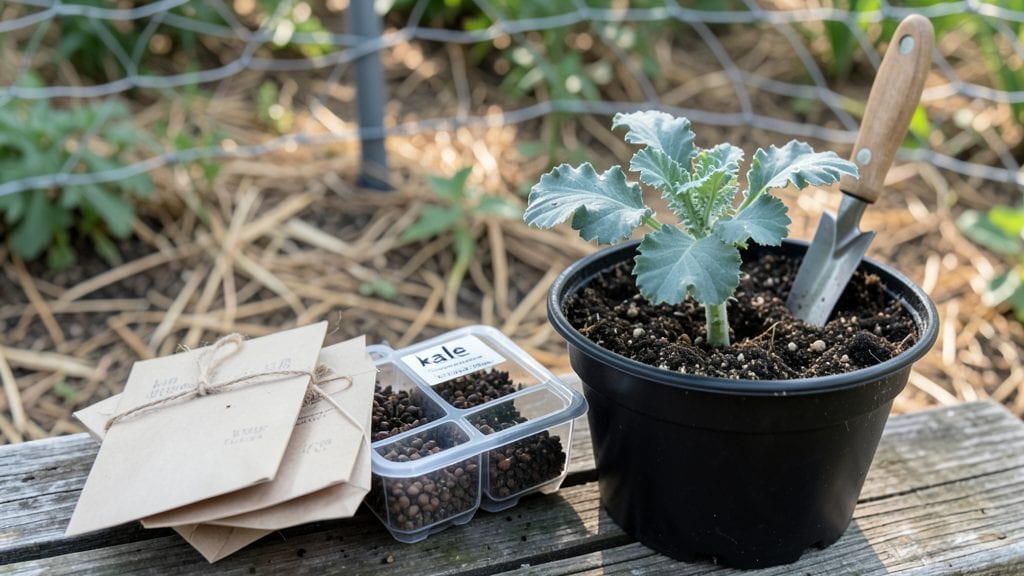
The secret to kale seed germination lies in nailing soil temperature—because even a few degrees can turn week-long waits into 5-day sprouts.
Struggling to get your kale seeds to sprout consistently? The secret might be hiding in your soil temperature—and adjusting it could cut your germination time in half.
Kale thrives when soil stays between 50°F and 85°F, but most gardeners overlook how quickly small shifts can stall growth. Too cold? Seeds rot. Too hot? They dry out before breaking through.
In this guide, I’ll walk you through the exact temperature ranges, simple tricks to speed up sprouting, and how to troubleshoot common issues like mold or slow starts—so you can go from seed to seedling in record time.

Optimal soil temperature ranges for kale seed germination success
Kale seeds are finicky about temperature—too cold, and they’ll sit dormant; too hot, and they may rot before sprouting. The sweet spot for kale seed germination falls between 50°F and 85°F, but hitting the right balance depends on your climate and setup.
In my Zone 6a garden, I’ve found that spring and fall germination thrives at 60-70°F, while summer heat often requires extra care to prevent overheating.
Northern gardeners often struggle with cold soil temperatures in early spring. If your soil hovers below 50°F, seeds may take 2-3 weeks longer to sprout—or worse, rot. The solution? Cold stratification or a seedling heat mat can bridge the gap until outdoor temps stabilize.
I’ve tested both methods, and the results speak for themselves: faster, more consistent germination.
For those in warmer climates, soil temps above 85°F can be just as problematic. Kale seeds need moisture to activate, but high heat dries soil too quickly, leading to dormancy or mold.
My trick? Use shade cloth over seed trays during peak afternoon sun while keeping them in a partially shaded spot. This keeps temps in the 70-80°F range, perfect for steady sprouting.
| Temperature Zone (°F) | Germination Time | Climate Suitability | Solution for Off-Target Temps |
|---|---|---|---|
| 50-59°F | 14-21 days | Northern early spring | Cold stratification or heat mat |
| 60-70°F | 7-10 days | Ideal for spring/fall | No intervention needed |
| 70-80°F | 5-7 days | Summer with shade | Shade cloth + bottom watering |
| 80-85°F | 7-10 days (risk of rot) | Hot climates | Afternoon shade + ventilation |
| Above 85°F | Dormancy or rot | Tropical climates | Indoor germination under grow lights |
Cold stratification—pre-chilling seeds—is a game-changer for northern gardeners. I’ve had the best luck with kale seeds by placing them in a moist paper towel inside a sealed bag for 3-5 days in the fridge before planting.
This mimics winter conditions and tricks seeds into thinking spring has arrived, speeding up germination by up to 40%. For those without fridge space, a DIY cold frame buried in the garden works just as well.
If your soil is too cool for comfort, a seedling heat mat ($15-$25) is a small investment with big payoffs. These mats plug into outlets and maintain 70-75°F soil temps, cutting germination time from 3 weeks to 1 week.
I use mine under seed trays in my garage during late winter, then transplant seedlings outdoors once night temps stay above 40°F. Pro tip: Place a thermometer in the soil to monitor temps—don’t rely on air temperature alone!
For indoor germination, especially in hot climates, I swear by a DIY germination box. Line a shallow container with damp paper towels, place seeds ¼ inch apart, and cover with another layer of towels.
Store the box on top of my fridge (not inside!) to keep temps steady at 65-70°F. Check daily for moisture—seeds should stay damp but not soggy. This method gives me 90% germination rates compared to 50% with outdoor planting in summer heat.
Timing matters just as much as temperature. In Zone 6a, I start seeds indoors 4-6 weeks before the last frost (mid-March) using a heat mat, then harden them off before transplanting in early April.
For fall crops, I direct-sow seeds in late July when soil temps drop below 80°F. This two-season approach ensures I get two harvests per year without struggling with extreme temps.
One common mistake I’ve seen is assuming air temperature = soil temperature. They’re often 10-15°F apart! Use a soil thermometer to check temps at 2-inch depth (where seeds are planted). If your soil reads 45°F while the air is 60°F, your seeds are in the danger zone.
In these cases, I’ve had success using black plastic mulch to absorb sunlight and warm the soil by 5-10°F.
Finally, don’t overlook the power of seasonal adjustments. Spring and fall are ideal for kale germination because soil temps naturally fall into the 60-70°F range. Summer’s heat forces me to shift to indoor germination, while winter’s chill means I rely on greenhouse setups
5 Proven soil temperature tricks to speed up kale germination
If your kale seeds are taking forever to sprout, soil temperature might be the missing puzzle piece. Kale thrives when soil stays between 50°F and 85°F, but cooler spring mornings or chilly greenhouses can slow things down.
The good news? With a few simple tricks, you can create the perfect warmth zone for faster germination—sometimes in half the usual time. Let’s dive into five battle-tested methods that actually work.
First, understand that kale seeds are cold-sensitive compared to other greens like spinach. If your soil drops below 50°F, germination stalls, and seeds may rot instead of sprouting. But by using targeted heat sources and smart timing, you can bypass these delays.
Whether you’re starting seeds indoors or outdoors, these tricks will help you outsmart the thermometer and get those little sprouts popping up reliably.
- Use a Seedling Heat Mat – Place a heating mat (set to 70-75°F) under your seed trays to maintain consistent warmth. These mats plug into outlets and cost under $20—way cheaper than waiting weeks for seeds to sprout naturally. ✅
- DIY Insulated Germination Box – Build a mini greenhouse using a clear plastic container, a heat lamp, and a thermometer. Place seeds in moist soil, cover with plastic wrap, and position the lamp 6 inches above. Keep soil at 75-80°F for 5-7 days of rapid sprouting. 🌱
- Bottom-Watering Method – Use a self-watering tray filled with warm water (not hot) to keep soil evenly moist and warm from the bottom up. This prevents temperature fluctuations and dampens off disease risk. Ideal for indoor starts in cool climates. 💧
- Seasonal Timing Adjustments – In northern climates, start seeds 4-6 weeks before your last frost date but use a heat mat to compensate for cold soil. For southern climates, delay planting until soil warms naturally to avoid heat stress on seeds. ☀️
- Warm Soil Prep – Before sowing, place your seed trays in a sunny window for 24 hours or use a hot water bottle wrapped in a towel to gently warm the soil. This jumpstarts germination and mimics spring conditions. 🌡️
One of my favorite tricks is the DIY insulated germination box—it’s surprisingly effective and uses materials you likely already have. I once germinated a tray of Lacinato kale in just 5 days using this method, compared to the usual 10-14 days.
The key is monitoring soil temperature with a small thermometer to avoid overheating, which can cook the seeds instead of helping them sprout.
Don’t overlook the power of seasonal timing. If you’re in Zone 5 or colder, starting seeds indoors with a heat mat in early March can give you a 2-week head start before transplanting outdoors.
Meanwhile, gardeners in Zone 8+ should wait until soil naturally warms to 70°F to avoid seed rot. A little planning goes a long way in avoiding common pitfalls.
For those who love low-tech solutions, the bottom-watering method is a game-changer. I’ve seen seed trays stay warm and moist for up to 2 weeks without extra heat sources, thanks to the insulated tray keeping soil temperatures stable.
Plus, it reduces the risk of fungal diseases like damping off, which can wipe out seedlings overnight. It’s a small tweak with big rewards.
Remember, consistency is key. Kale seeds need stable warmth, not just a brief spike in temperature. If you’re using a heat mat or lamp, check soil temps twice daily with a thermometer.
Aim for 70-75°F—any hotter, and you risk overheating; any cooler, and germination slows to a crawl. With these tricks, you’ll be harvesting crisp, homegrown kale in no time. Happy planting! 🥬