
Trees
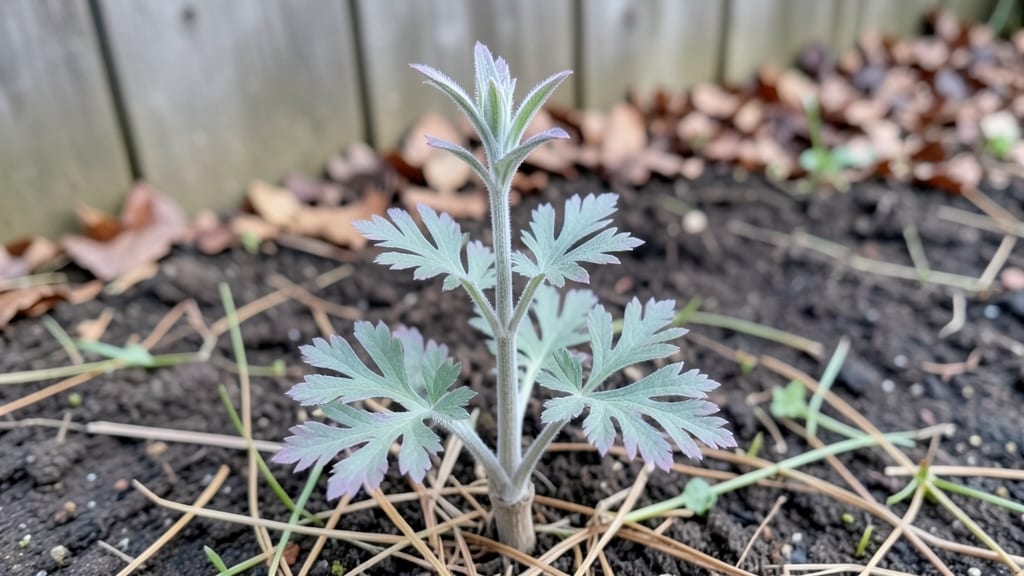
The identification of a larkspur seedling early saves you from weeding out what you thought were weeds—only to realize they’re your future towering blue spikes. 🌱 The first clue is those tiny, deeply lobed leaves shaped like miniature ferns, with a faint bluish tint along the stems that fades as they mature.
Most gardeners confuse them with chickweed or wild violets, but larkspur seedlings have a distinctive hairiness along the stem and leaves that feels almost fuzzy to the touch.
If you see clusters of these in your seed trays or garden beds, don’t yank them—these are the ones that’ll reward you with 3-foot-tall blooms by midsummer.
Healthy seedlings should have vibrant green leaves without yellowing or browning edges, and stems that stand upright rather than sprawling. Once you spot them, keep the soil consistently moist but not soggy—overwatering is the #1 killer of these delicate early stages.
If you’re still unsure, compare them side by side with a known healthy larkspur plant or check the leaf arrangement: true larkspur grows in a basal rosette before shooting upward. The sooner you confirm their identity, the sooner you can give them the space they need to thrive.
Mistaking Young Plants for Larkspur
Identifying larkspur seedlings can be tricky because their early growth stages often resemble other plants, leading to confusion. Understanding the root causes of misidentification helps gardeners and botanists spot the key differences. Here’s why mistakes happen—and how to avoid them.
One of the biggest culprits in misidentification is the slow, gradual development of larkspur leaves. Young seedlings start with simple, rounded leaves that closely resemble those of delphiniums (their close relatives) or even foxglove.
Since larkspur leaves only develop their distinctive deeply lobed or serrated edges later in growth, early-stage seedlings can look deceptively similar to other plants.
Why it happens:
- Genetic similarity: Larkspur (Consolida spp.) and delphiniums (Delphinium spp.) share the same botanical family (Ranunculaceae), meaning their juvenile forms are nearly identical. Their leaves both start as soft, undivided ovals before splitting into lobes.
- Environmental stress: Poor lighting or nutrient deficiencies can delay leaf maturation, keeping seedlings in a "deceptive youth" phase longer. This makes them harder to distinguish from lookalikes like lupines or columbines.
- Size confusion: Larkspur seedlings are often tiny (under 2 inches) when first emerging, making their features hard to examine closely. Without a magnifying glass or sharp eye, the subtle differences in vein patterns or leaf texture go unnoticed.
Actionable fix: Wait until seedlings reach 3–4 inches tall before attempting identification. At this stage, larkspur leaves will show distinctive palmate lobes with pointed tips, while delphiniums tend to have more deeply divided, almost feather-like segments.
Larkspur stems are another common source of confusion because their juvenile coloration shifts dramatically as they mature. Young stems often appear green or reddish-purple, mimicking other garden plants like snapdragons or monkshood.
However, mature larkspur stems develop a woody, slightly hairy texture with a blue-green or silvery hue—features that are easy to overlook in early growth.
Why it happens:
- Albedo (reflectivity) changes: Young larkspur stems have a thin cuticle, causing them to absorb more light and appear darker or reddish. As the plant matures, waxy trichomes (hair-like structures) form on the stem, giving it a silvery or bluish cast.
- Hybridization effects: Some cultivated larkspur varieties (like Consolida ambigua) may retain softer, less woody stems even as adults, making them resemble lupines or phacelia for longer.
- Light exposure: Seedlings grown in shade develop longer, thinner stems that lack the characteristic woody texture, increasing the chance of misidentification.
Actionable fix: Run your fingers along the stem—mature larkspur stems feel slightly rough or fuzzy, while imposters like foxglove or columbine have smooth, hairless stems. If unsure, snap a stem and observe the internal pith: larkspur has a spongy, white center, whereas delphiniums often have a hollow or greenish core.
Larkspur seedlings often grow in clusters or dense patches, which can obscure individual plant features. This crowding makes it difficult to examine leaf shape, stem color, or even flower buds—key identifiers.
Additionally, larkspur frequently self-seeds aggressively, leading to mixed populations where seedlings of different ages (and thus different appearances) grow side by side.
Why it happens:
- Seed dispersal patterns: Larkspur releases thousands of tiny seeds that germinate in tight groups. This creates a "sea of seedlings" where only a few may develop the classic larkspur traits early on.
- Competition for resources: In crowded conditions, seedlings may stunt growth or develop abnormal leaf shapes due to nutrient or water competition, making identification even harder.
- Pollinator attraction: Some larkspur varieties produce early, partial blooms even as seedlings, but these can resemble wildflower hybrids or annual poppies if not closely inspected.
Actionable fix: Thin seedlings to 6 inches apart to reduce crowding and encourage uniform growth. If working with a wild population, dig up 2–3 seedlings and compare their roots—larkspur has a taproot with fine lateral branches, while many imposters (like lupines) have fibrous root systems.
Pro Tip: 💡 Use a UV flashlight—some larkspur varieties fluoresce under UV light, revealing hidden patterns in leaves or stems that are invisible to the naked eye!
Quick Fixes for Seedling Confusion
Now that you’ve spotted the signs—whether it’s those delicate, fern-like leaves or the telltale purple-blue blooms—it’s time to act. Misidentifying larkspur seedlings can lead to overwatering, incorrect pruning, or even accidental removal. Here’s how to tackle common issues and keep your seedlings thriving.
Cause: Larkspur seedlings can resemble other annuals or even young delphiniums, especially in mixed garden beds. Fix:
- Examine leaf structure closely 🌿: Larkspur leaves are deeply lobed and finely divided, almost fern-like. Compare them to snapdragons (smoother edges) or delphiniums (more toothed).
- Check stem color 🌱: Young larkspur stems are often a soft green with a slight waxy sheen, while weeds like lamb’s quarters have broader, more rounded leaves.
- Dig deep (literally) 🏔️: Gently uproot a suspect seedling and inspect the root structure. Larkspur roots are slender and fibrous, not thick or taprooted like some wildflowers.
Prevention Tip: 💡 Plant larkspur in designated areas away from aggressive weeds. Use row covers early in the season to suppress unwanted sprouts.
Cause: Larkspur prefers well-draining soil, but overzealous watering can cause seedlings to rot or develop fungal issues. Fix:
- Test soil moisture 🌧️: Stick your finger 1 inch into the soil—if it’s damp, wait before watering. Larkspur seedlings need moisture but hate soggy conditions.
- Adjust watering habits 💦: Water at the base (not overhead) in the morning to reduce humidity-related diseases. Use a spray bottle for tiny seedlings to avoid disturbing them.
- Amend heavy soil 🏗️: Mix in perlite or coarse sand to improve drainage if your garden holds water.
Prevention Tip: ✨ Mulch lightly with straw (not thick layers) to retain moisture without suffocating roots.
Cause: Tiny pests can cluster on larkspur seedlings, stunting growth or causing yellowing leaves. Fix:
- Blast them off 💨: Use a strong stream of water from a hose to dislodge aphids from tender leaves.
- Neem oil treatment 🌿: Mix 1 tsp neem oil with 1 quart of water and spray lightly on seedlings (avoid direct sun after application).
- Introduce beneficial insects 🐞: Ladybugs and lacewings love aphids—release them near affected plants or plant companion flowers like marigolds to attract them.
Prevention Tip: 🎯 Inspect seedlings regularly, especially on the undersides of leaves, where pests hide.
Cause: Poor soil nutrients, shade, or transplant shock can hinder larkspur seedlings. Fix:
- Fertilize lightly 🌱: Use a balanced, water-soluble fertilizer (like 10-10-10) diluted to half strength. Over-fertilizing burns young roots.
- Ensure full sun ☀️: Larkspur thrives in 6+ hours of direct sunlight. Move seedlings to a sunnier spot if growth stalls.
- Transplant carefully 🌿: If repotting, keep the root ball intact and water thoroughly after transplanting to reduce shock.
Prevention Tip: 🔥 Start seedlings indoors 6–8 weeks before the last frost for a stronger, more resilient plant.
Cause: Confusing larkspur with invasive species (like wild mustard) can lead to mistakenly pulling your desired seedlings. Fix:
- Label your rows 📝: Use small stakes or flags to mark larkspur beds early in the season.
- Learn key differences 🔍: Wild mustard has smooth, oval leaves with a mustardy scent when crushed—larkspur has no odor and more intricate leaf patterns.
- Take photos 📸: Snap pictures of healthy larkspur seedlings to compare with future sprouts.
Prevention Tip: 🌡️ Plant larkspur in containers if space is limited—this makes identification and care easier.
Final Pro Tip: 🌟 If all else fails, wait for flowers! Larkspur’s iconic spiked blooms are unmistakable once they appear, making identification a breeze. Patience pays off in a stunning garden display.
Frequently asked questions
How do I tell larkspur seedlings apart from chickweed?
Larkspur seedlings have deeply lobed, fern-like leaves with a hairy texture along stems, while chickweed leaves are smooth, oval, and grow in dense mats. Look for larkspur’s basal rosette of leaves before upward growth—chickweed sprawls instead. Crush a leaf: larkspur has no scent, but chickweed smells slightly bitter.
Why are my larkspur seedlings turning yellow?
Yellowing leaves usually signal overwatering or nutrient deficiency. Check soil moisture—larkspur prefers consistently damp but not soggy conditions. If roots smell rotten, reduce watering. For yellowing between veins, add a balanced fertilizer (like 10-10-10) at half strength. Ensure full sun exposure too!
Can I identify larkspur seedlings by their roots?
Yes! Larkspur has slender, fibrous roots with fine lateral branches, while weeds like wild violets have thicker taproots. Gently dig up a seedling and check: larkspur roots feel delicate and white, not woody or brown. Pro tip: Snap the stem—larkspur’s pith is spongy, not hollow like delphiniums.
How long until larkspur seedlings show their true leaves?
True larkspur leaves appear after 4–6 weeks of growth, replacing the initial round cotyledons. At this stage, look for palmate lobes with pointed tips—delphiniums have more deeply divided segments. If unsure, wait until seedlings reach 3–4 inches tall for clearer identification.
Will larkspur seedlings survive if transplanted too early?
Transplant only when seedlings have 2–3 sets of true leaves and are at least 2 inches tall. Use a moistened paper towel to protect roots during transfer. Avoid transplanting in hot sun—do it in the morning or evening. Harden off seedlings for 1 week before moving to the garden.