
Tools
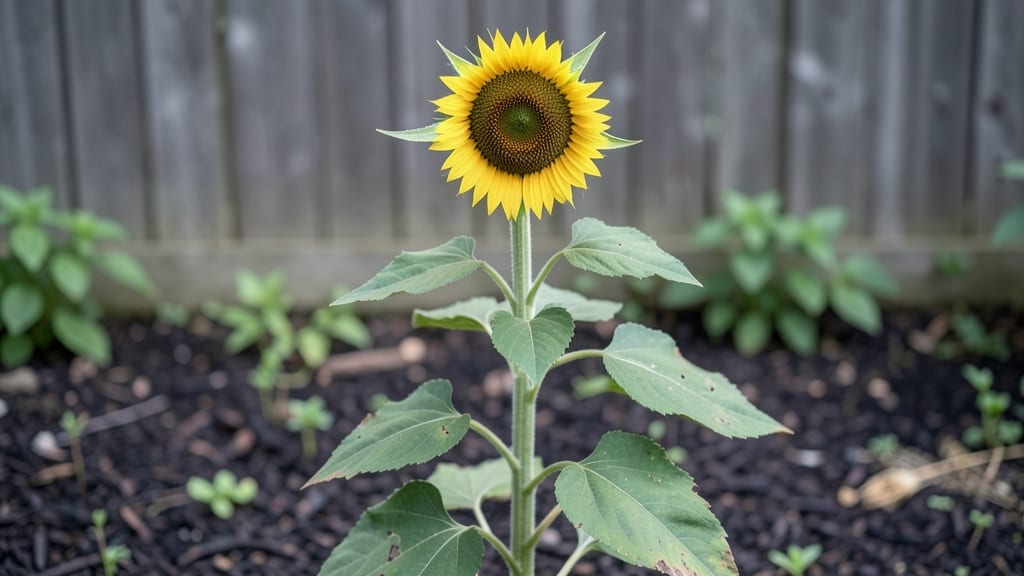
A thriving sunflower seeds garden transforms a patch of soil into a towering, cheerful display that kids and pollinators adore. 🌻 I learned the hard way that sunflowers aren’t just pretty faces—they’re surprisingly low-maintenance once you nail the basics, like soil depth and water consistency.
The first time I watched a 6-inch sprout shoot up to 8 feet in a season, I knew I’d never buy nursery plants again.
You’ll need just three things to start: a sunny spot with at least 6 hours of direct light, loose soil mixed with compost, and patience for the 7–14 days it takes those stubborn little seeds to crack open.
Plant them 1 inch deep, spacing them 6–12 inches apart for single-stem varieties or 2–3 feet apart if you want bushy, multi-branched giants like ‘Mammoth’ or ‘Russian Giant.’
Once they sprout, keep the soil moist but not soggy—sunflowers hate wet feet. A 1-inch-per-week watering schedule works unless your summer gets scorching, then bump it up to 2 inches.
The real magic happens when you stop fertilizing after planting; too much nitrogen makes them grow leaves instead of those iconic blooms.
By mid-summer, you’ll be snapping photos of sunflowers taller than you, their faces tracking the sun like little solar panels. Pro tip: Deadhead spent blooms to encourage more flowers, and save those giant seeds for next year’s garden—or roast them for a crunchy snack.
The best part? You’ll have sunflowers blooming from June through October with minimal effort.
📚 In This Guide
- What you need
- Instructions
- Tips and common mistakes
- Wrapping up and next steps
What you need
- ● Sunflower seeds: Choose heirloom or hybrid varieties (e.g., 'Mammoth' or 'Russian Giant'). Buy 1–2 lbs (450–900g) for a small garden or 5+ lbs (2.3+ kg) for larger plots.
- ● Containers or garden beds: Containers: 5–10 gallon pots (1–2 per plant) with drainage holes.
- ● Garden beds: Well-draining soil, 6–12 inches (15–30 cm) deep and 18+ inches (45+ cm) apart for spacing.
- ● Potting soil or garden soil: High-quality, well-draining mix (e.g., 50% potting soil + 50% compost).
- ● Fertilizer: Balanced 10-10-10 or organic compost (1 cup per plant at planting).
- ● Watering can or hose: With a gentle spray nozzle for seedlings.
- ● Gloves (gardening or work gloves).
- ● Trowel or hand shovel for planting.
- ● Measuring tape or ruler for spacing seeds.
- ● Pruners or scissors (for harvesting or trimming).
- ○ Stakes or trellis (optional) for tall varieties (e.g., 6-foot stakes for 'Mammoth').
- ● Sunlight: 6+ hours of direct sun daily (full sun is ideal!).
- ● Climate: Plant after last frost date (sunflowers hate cold!).
- ● Water access: Consistent moisture (but avoid soggy soil).
Step-by-step instructions for growing sunflowers from seed
Here's how I transform tiny sunflower seeds into towering, pollinator-friendly giants—with minimal fuss.
🌱 Step 1: Prepare the Soil and Plant Seeds Directly
Sunflowers hate transplanting, so I skip the indoor-starting hassle and plant seeds directly in the garden after the last frost when soil reaches 55°F. Choose a location with full sun—they need at least 6-8 hours daily—and work in a 1-inch layer of compost to loosen the soil and provide nutrients. Sunflowers have deep taproots, so avoid compacted or rocky ground.
Dig holes 1 inch deep and space them 6 inches apart for dwarf varieties or 18-24 inches apart for giant types. Drop 2-3 seeds per hole and cover lightly—don't bury them too deep, or they'll struggle to emerge. Water gently until the soil is moist 1 inch down, but avoid soaking the surface, which can cause seeds to rot.
💧 Step 2: Water Consistently and Monitor Germination
Keep the soil evenly moist but not soggy for the first 2 weeks—this is critical for germination. You'll see sprouts in 7-14 days, depending on temperature. Once they emerge, thin seedlings to the strongest one per hole, snipping the others at soil level with scissors. I always leave the tallest, straightest stem—it’s the one that’ll reach for the sky.
After thinning, reduce watering to 1 inch per week, letting the soil dry slightly between waterings. Overwatering now leads to weak stems that flop later. Mulch around plants with 2 inches of straw to retain moisture and suppress weeds, but keep mulch 3 inches away from stems to prevent rot.
☀️ Step 3: Support Tall Varieties and Fertilize Mid-Growth
If growing giant sunflowers (like 'Mammoth' or 'Russian Giant'), install 6-foot stakes or a tomato cage when plants reach 12 inches tall. Tie stems loosely to the support with soft fabric strips—sunflowers grow fast, and tight ties will strangle them. Dwarf varieties usually don’t need support unless heavy blooms cause them to lean.
When plants hit 18 inches tall, feed them with a balanced 10-10-10 fertilizer (use 1 tablespoon per plant) to encourage strong stem and flower development. Stop fertilizing once buds form—too much nitrogen now delays flowering. Watch for aphids on new growth; blast them off with a strong spray of water if you spot them.
✂️ Step 4: Harvest Seeds for Next Year’s Garden
Leave the largest, healthiest blooms on the plant until their backs turn brown and the seed heads dry completely. Cut the entire head off with 6 inches of stem attached and hang it upside-down in a dry, well-ventilated spot for 2-3 weeks. The seeds will rattle inside the dried head when ready—this is your cue to harvest.
Rub the dried head between your hands or use a fork to scrape out seeds. Store them in a paper envelope in a cool, dark place for up to 2 years. I label each envelope with the variety and date—next year’s garden starts with these tiny treasures. Discard any heads that develop mold or pests before drying fully.
Tips & tricks for growing sunflowers from seed
These practical insights will help you cultivate sunflowers that thrive from seed to seed—no transplanting headaches required.
Soil Temperature Matters: The 55°F soil temperature threshold is non-negotiable for germination. Use a soil thermometer to verify—cold soil delays sprouting or causes seeds to rot. I've seen seeds planted too early in 50°F soil take 3 weeks to germinate instead of the expected 7-14 days. For northern climates, consider using a cold frame to warm the soil faster.
Planting Precision: Those 1-inch deep holes and 6-inch spacing for dwarf varieties aren't arbitrary—they prevent overcrowding that leads to leggy, weak stems. I learned this the hard way after planting too closely and ending up with sunflowers that leaned dramatically. For giant varieties, the 18-24 inch spacing gives roots room to develop their massive taproots without competing.
Thinning Technique: When thinning seedlings to the strongest plant per hole, use clean scissors to snip at soil level rather than pulling. This prevents disturbing the roots of your chosen winner. I always keep the tallest, straightest stem—it's the one that'll reach for the sky. The discarded seedlings can be composted or replanted if you have extra space.
Support System Strategy: For giant varieties, install 6-foot stakes when plants reach 12 inches tall—not before. Earlier support can restrict root development. Use soft fabric strips (like old T-shirts) to tie stems loosely—they'll grow so fast that tight ties will strangle them. I've found that bamboo stakes work better than metal ones because they're gentler on the stems during windy conditions.
Pro Tips for Sunflower Seeds Garden
- These practical insights will help you cultivate sunflowers that thrive from seed to seed—no transplanting headaches required.
- Soil Temperature Matters: The 55°F soil temperature threshold is non-negotiable for germination.
- Planting Precision: Those 1-inch deep holes and 6-inch spacing for dwarf varieties aren't arbitrary—they prevent overcrowding that leads to leggy, weak stems.
Frequently asked questions
Got questions about growing your own sunflower seeds garden? You’re not alone! Here are some of the most common queries—plus quick, practical answers to help you cultivate a thriving harvest all year round.
When is the best time to plant sunflower seeds?
Sunflower seeds thrive in warm soil, so plant them after the last frost when temperatures consistently stay above 50°F (10°C). For year-round harvests, stagger plantings every 2–3 weeks in mild climates. In colder regions, start indoors 4–6 weeks before the last frost or opt for heat-tolerant varieties like Mammoth or Autumn Beauty.
How long does it take for sunflowers to grow from seed to harvest?
Most sunflower varieties mature in 80–120 days, depending on the type. Dwarf varieties (like Teddy Bear) may take 60–80 days, while giant varieties (like Russian Giant) can take up to 150 days. Check the seed packet for specific timelines—patience pays off with plump, edible seeds!
Do sunflowers attract pests? How can I protect my garden?
Sunflowers are generally pest-resistant but may draw aphids, beetles, or birds. Use row covers for young plants, plant companion crops like basil or marigolds, or spray neem oil for organic pest control. Birds love the seeds too—try netting or harvesting when seeds are still green (before they fully mature).
Can I grow sunflowers in containers or small spaces?
Dwarf varieties (under 3 feet tall) thrive in 5-gallon containers with well-draining soil. Place pots in full sun (6+ hours/day) and ensure they have sturdy support (like cages or stakes) as they grow. For small gardens, consider spaced plantings or vertical gardening with trellises.
Why aren’t my sunflower seeds producing heads? Troubleshooting tips.
If your plants bolt (send up tall stems) without flowering, check these fixes:
- Light: Sunflowers need 6+ hours of direct sun daily—move pots or thin crowded seedlings.
- Water: Overwatering or soggy soil can stress plants. Water deeply 1–2 times per week (adjust for climate).
- Nutrients: Feed with balanced fertilizer (10-10-10) at planting and when buds form.
- Variety: Some varieties are day-length sensitive—choose short-day types for cooler climates.
Still struggling? Try hand-pollinating flowers with a soft brush to boost seed production!
Wrapping up and next steps
Growing a sunflower seeds garden is a rewarding journey that transforms tiny seeds into a bountiful harvest—whether you’re savoring fresh snacks, boosting your kitchen with healthy oils, or simply enjoying nature’s beauty.
With the right tools, patience, and a few expert tips, you’ll soon be reaping the benefits of your hard work, year-round! 🌻
Ready to take the next step? Start small—plant a few seeds today—and watch your garden flourish. Before you know it, you’ll be sharing your sunflower seeds with friends or even expanding your garden for bigger yields. Happy planting! 🌱